
When the weather turns colder, your radiators have one important job: keeping your home warm, comfortable and cosy. So, when one of them starts making odd gurgling noises or stays cold at the top even though the heating is on, it can be frustrating. In many cases, the problem is simple. Your radiator may have trapped air inside it. This air can stop hot water from moving around the radiator properly, leaving you with cold spots, uneven heat and a central heating system that has to work harder than it should.
Learning how to bleed radiators is one of the most useful radiator maintenance jobs you can do. It is usually quick, straightforward and does not require specialist tools beyond a radiator bleeding key. When done correctly, bleeding a radiator can help improve heat output, make rooms feel warmer and support better heating efficiency throughout your home.
What does 'bleeding' a radiator mean?
Bleeding a radiator simply means releasing trapped air from inside it.
Your central heating system works by circulating hot water through your radiators. As the hot water circulates through the system, your radiators heat up and release warmth into each room. However, air can sometimes become trapped inside the radiator. Because air is lighter than water, it often collects near the top, which is why radiators with trapped air may feel warm at the bottom but cold at the top. When you bleed a radiator, you open a small bleed valve to allow that trapped air to escape. Once the air has been released, hot water can fill the radiator properly again, helping it heat more evenly.
Signs your radiators need bleeding
Not every heating issue means your radiator needs bleeding, but there are a few common signs to look out for. Your radiators may need bleeding if:
- The top of the radiator feels cold while the bottom is warm.
- You can hear gurgling, bubbling or tapping noises when the heating is on.
- One radiator takes much longer to warm up than the others.
- The heat output feels uneven across the radiator.
- Some rooms feel cooler than expected, even when the heating has been running for a while.
Cold spots on radiators are one of the clearest signs of trapped air in radiators, especially when the cold area is at the top. If the bottom of the radiator is cold instead, that may point to another issue, such as sludge build-up, which may need professional attention.
What you'll need before you start
Before you begin bleeding a radiator, it is worth gathering everything you need so the job is clean and easy. You will need:
- A radiator bleeding key
- A cloth or towel
- A small bowl or container
- Gloves, if you prefer to protect your hands
A radiator bleeding key is a small, inexpensive tool designed to fit the bleed valve on most standard radiators. Some modern radiators may have a valve that can be opened with a flat-head screwdriver, but a radiator key is still the most common tool for the job.
How to bleed radiators: step-by-step guide
Bleeding a radiator is a simple process, but it is important to take your time and avoid opening the valve too quickly. Follow these steps carefully.
1. Turn on your heating and check for cold spots
Start by turning on your heating and allowing your radiators to warm up. Once they are hot enough to check safely, walk around your home and feel each radiator carefully. You are looking for cold areas, especially at the top of the radiator. Make a note of which radiators are not heating evenly, as this will help you focus on the radiators that actually need bleeding.
2. Turn the heating off and allow radiators to cool
Once you have identified the problem radiators, switch your heating off and let the radiators cool down. This is an important safety step – bleeding radiators while they are very hot can lead to hot water escaping from the valve, which could cause burns. Waiting for the radiators to cool also allows the air to settle, making the bleeding process more controlled.
3. Locate the bleed valve
Next, find the bleed valve on the radiator. This is usually a small square or slotted valve positioned near the top of the radiator, often at one end.
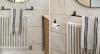
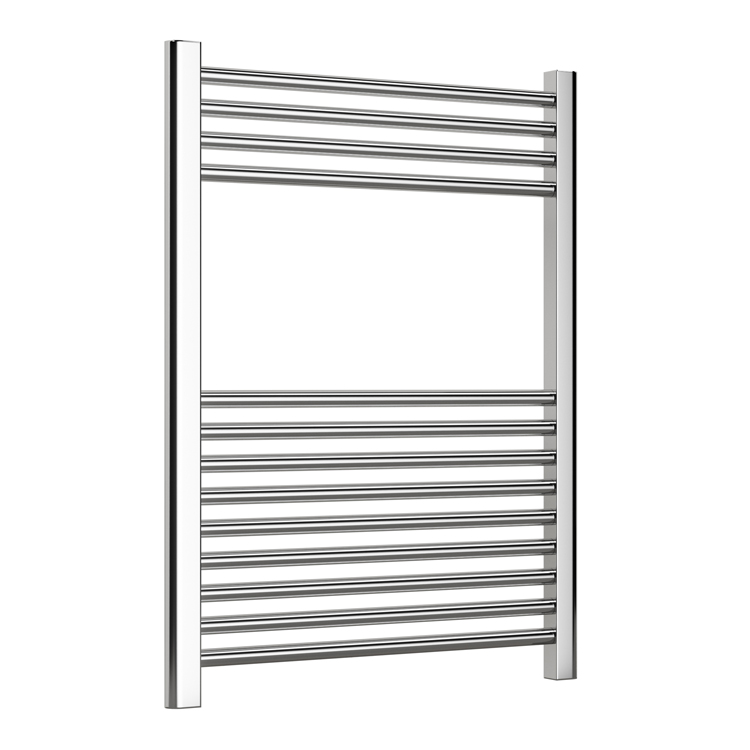
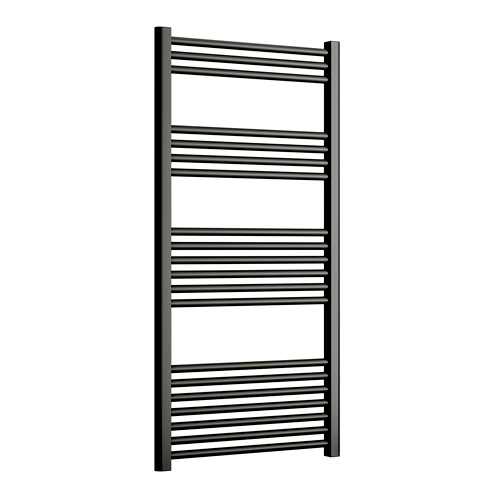
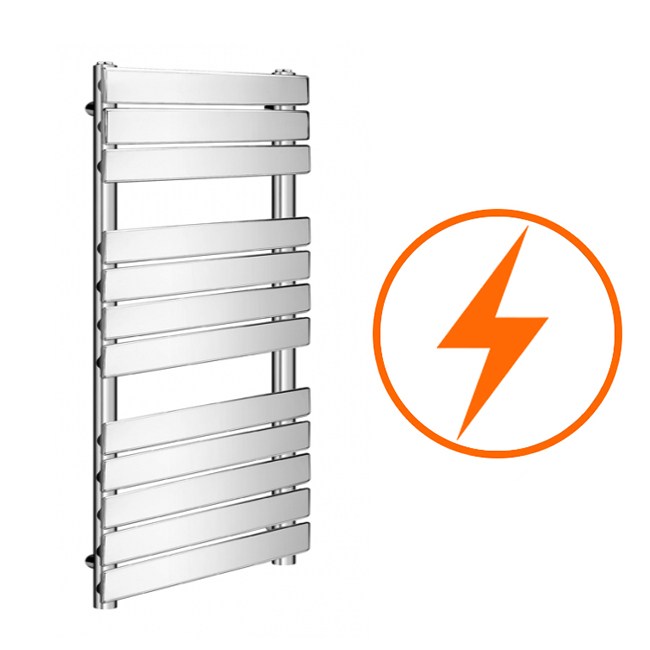
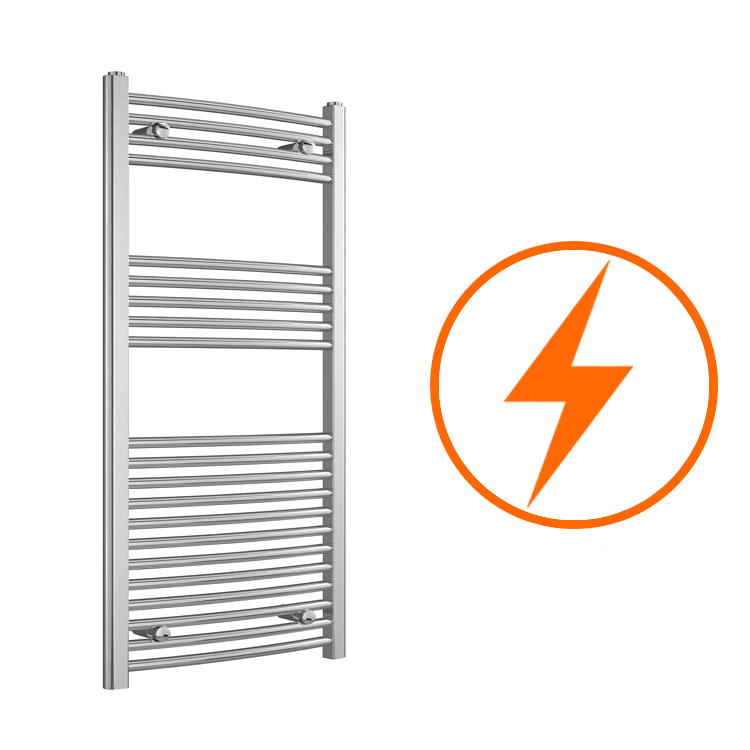
The exact location can vary depending on the radiator style. Some designer radiators have more discreet valve placements, while traditional radiators may have a more familiar valve design. Bathroom radiators and heated towel rails can also vary, so take a moment to check the top corners or sides of the radiator.
4. Place a cloth or bowl underneath the valve
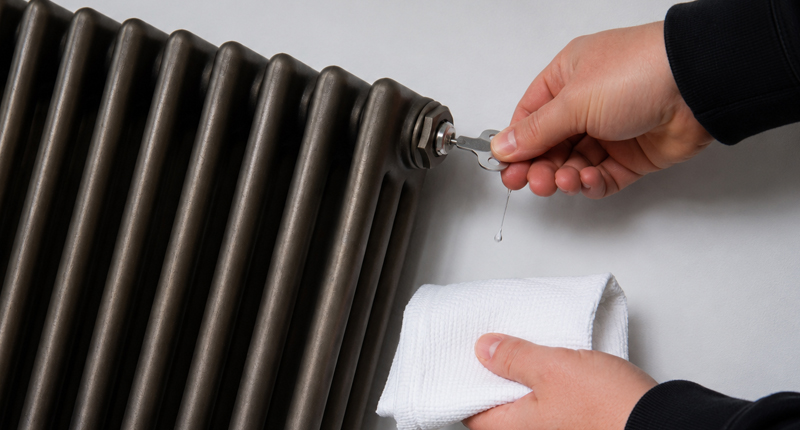
Before opening the valve, place a cloth, towel or small bowl underneath it. This will catch any drips of water that appear once the trapped air has escaped. You may only get a few drops, but it is still worth protecting the floor, wall and surrounding area, especially if the radiator is close to paintwork, tiles or wooden flooring.
5. Insert the radiator key and turn slowly
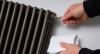
Insert the radiator bleeding key into the bleed valve. Turn it slowly anti-clockwise. You usually only need a small turn, so do not open it too far. Opening the valve too much can make it harder to control and may allow more water to escape than necessary. A gentle, controlled turn is enough to release the air.
6. Listen for the hissing sound of escaping air
As the valve opens, you may hear a hissing sound. This is the trapped air leaving the radiator. Keep the key in place and allow the air to escape. The hissing may last for a few seconds or a little longer, depending on how much air is trapped inside the radiator.
7. Close the valve once water begins to appear
Once the air has escaped, water will start to appear at the valve. As soon as you see water, close the valve by turning the radiator key clockwise. Do not overtighten it. The valve should be closed firmly enough to stop any water leaking, but it does not need to be forced. Wipe away any drips with your cloth or towel.
8. Check your boiler pressure afterwards
After bleeding radiators, it is important to check your boiler pressure. Releasing air from the system can cause the pressure to drop. Look at the pressure gauge on your boiler. If the pressure is too low, your heating may not work properly and you may need to top it up using the filling loop. Always check your boiler manual for the correct pressure range and instructions. If you are unsure, speak to a qualified heating engineer.
9. Turn the heating back on and check the radiator heats evenly
Finally, turn your heating back on and allow the radiators to warm up again. Check the radiators you have bled to make sure they are heating evenly from top to bottom. If the radiator now feels warm all over, the bleeding process has worked. If cold spots remain, or the same radiator keeps filling with air, there may be another issue within your central heating system.
Can you bleed different types of radiators the same way?
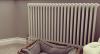
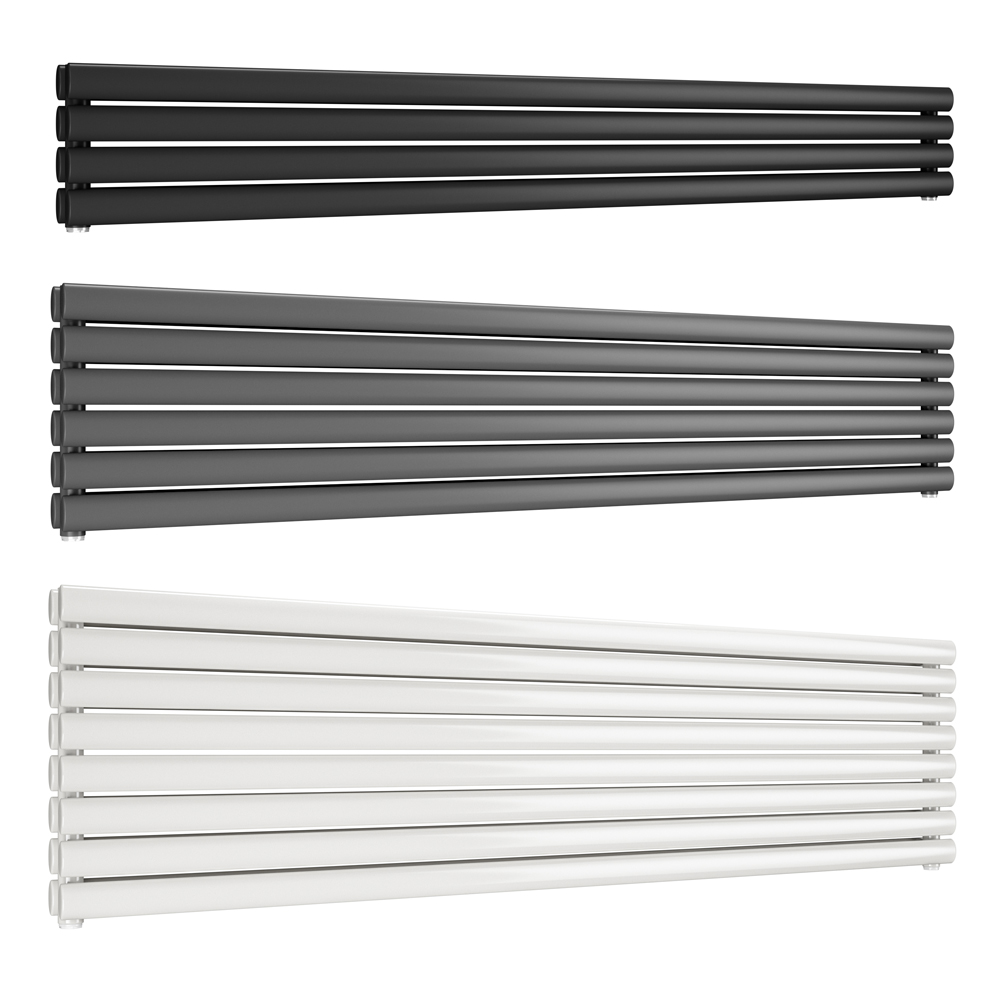
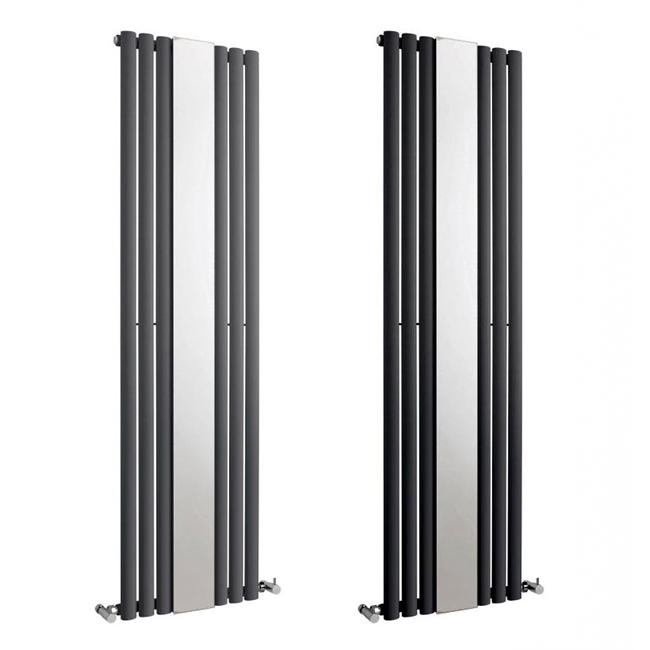
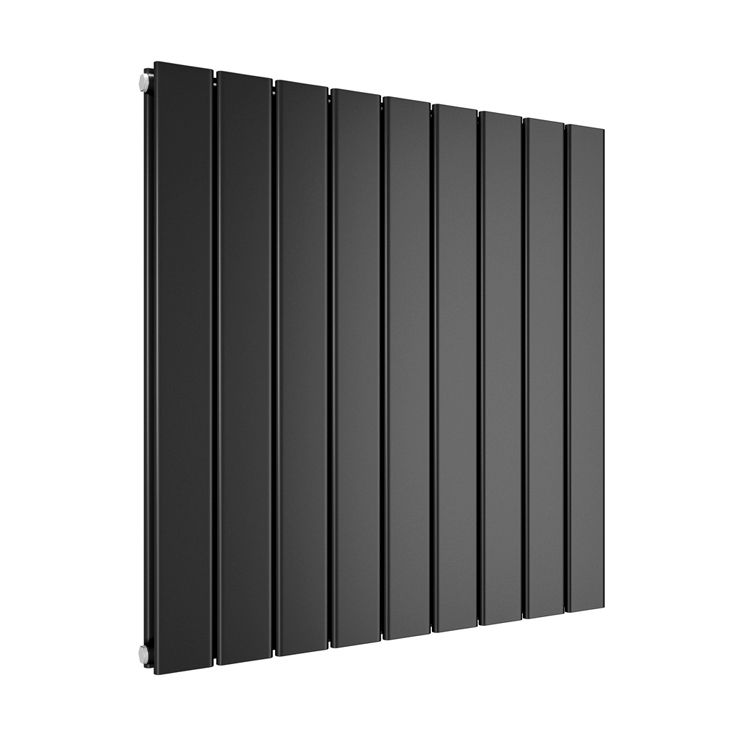
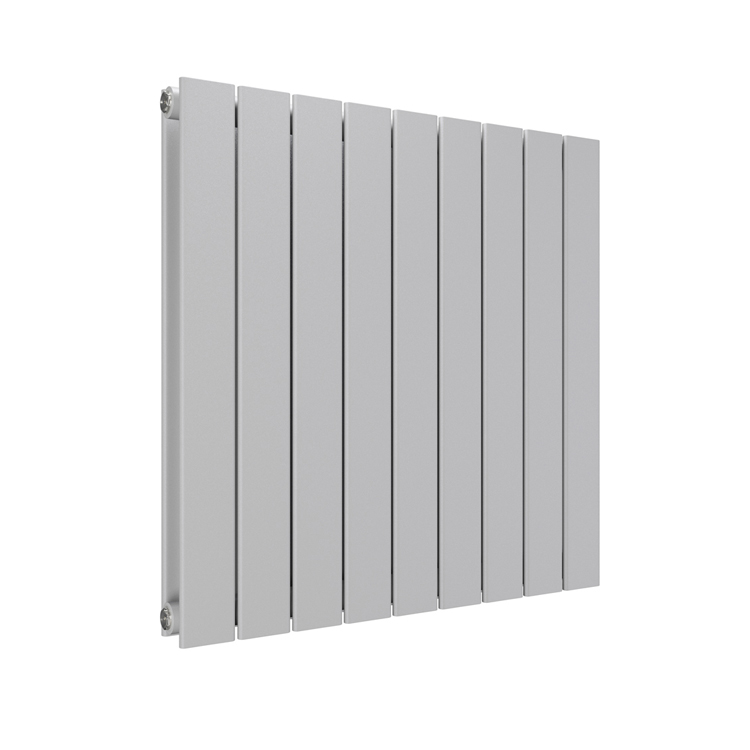
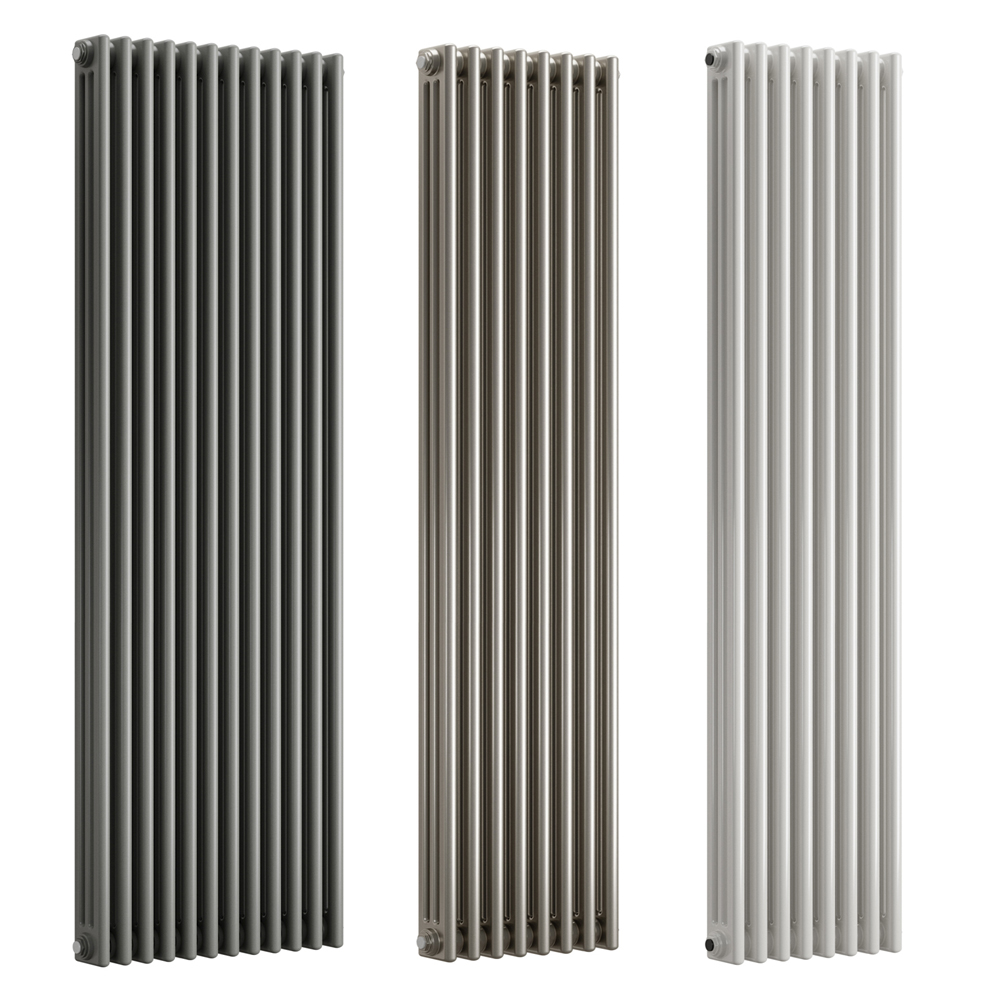
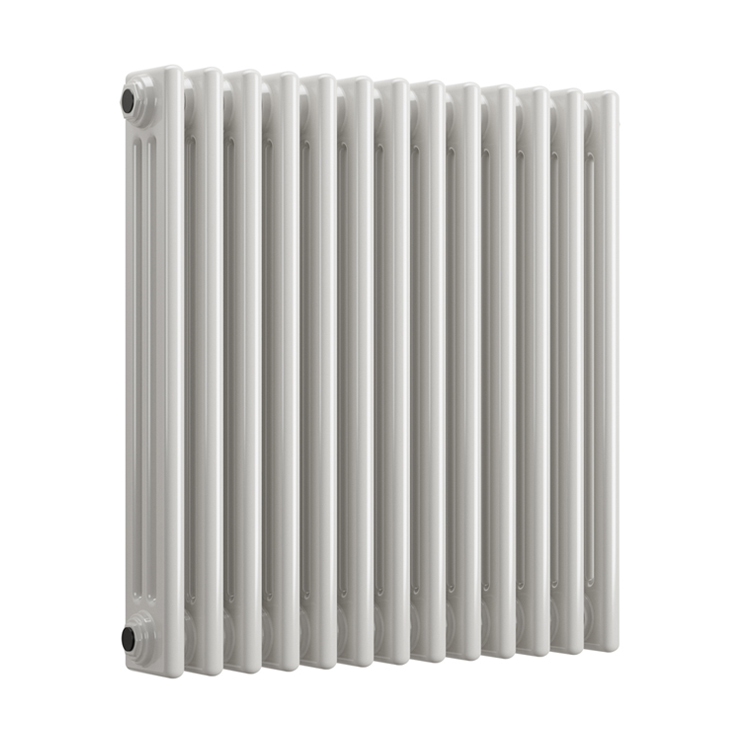
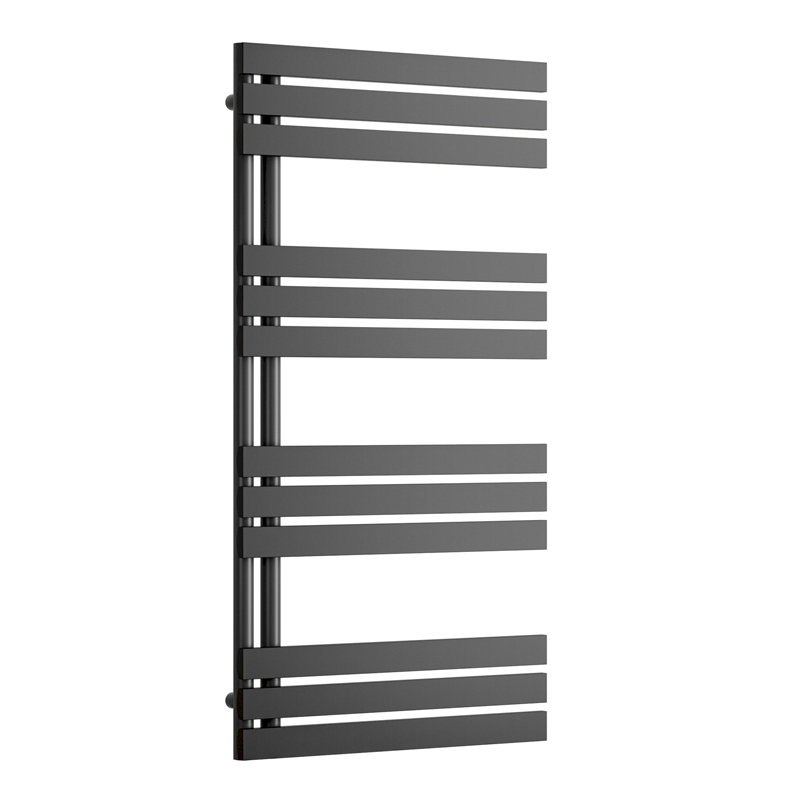
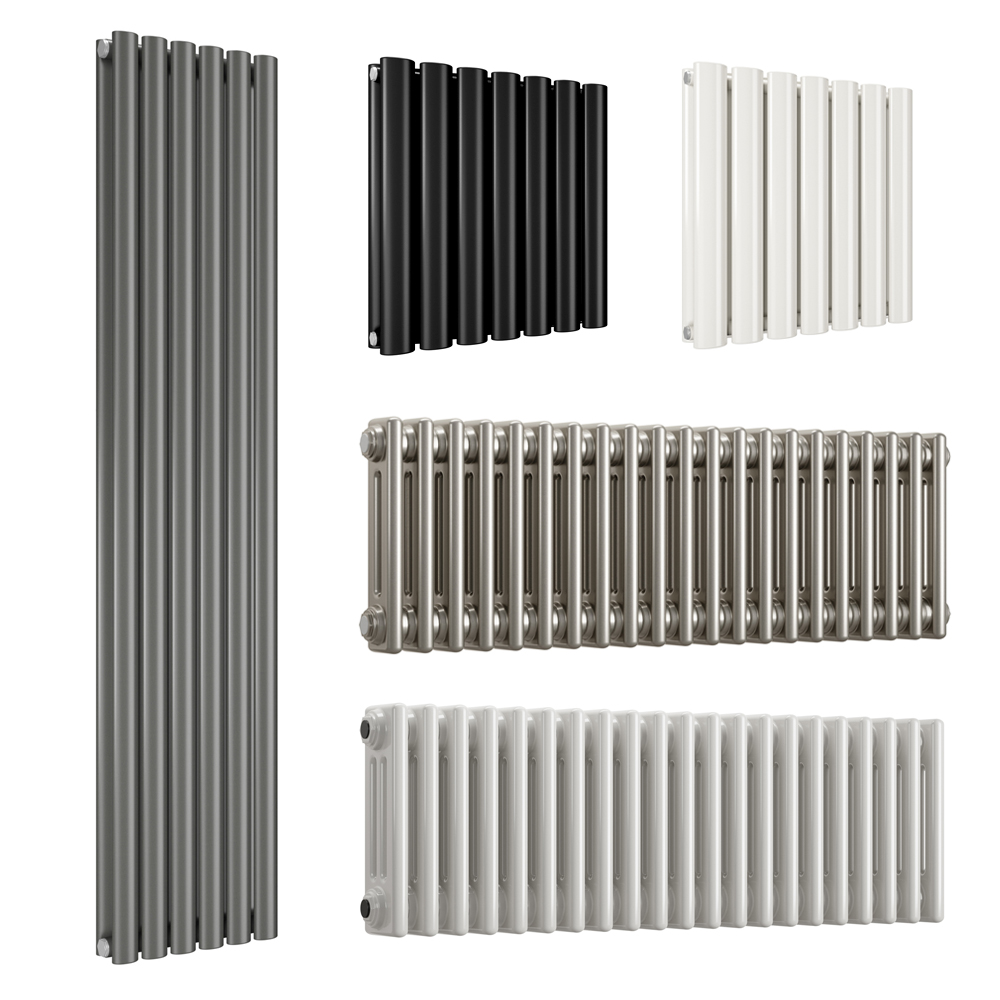
In most cases, the general process for bleeding a radiator is the same, whether you have standard panel radiators, designer radiators, traditional radiators or bathroom radiators. The main difference is usually the location and design of the bleed valve. For example, some vertical designer radiators may have the valve positioned at the top side, while horizontal column radiators often have a more visible valve at one end. Bathroom radiators and towel rails can also vary depending on their shape and installation.
The principle remains the same: locate the bleed valve, release trapped air slowly, close the valve when water appears, then check the boiler pressure afterwards.
If you have recently fitted new radiators, it is also normal for a small amount of air to work its way through the system after installation. A quick bleed may be needed once the heating has been running.
How often should you bleed your radiators?
It is best to check your radiators whenever your heating performance changes. A good time to check is before winter, especially in early autumn when you start using your heating more regularly again. This gives you the chance to deal with cold spots before the colder weather sets in properly. You should also check your radiators if you notice gurgling sounds, uneven heat or rooms that feel colder than usual. Regular radiator maintenance can help your heating system run more smoothly and may prevent small issues from becoming more disruptive later on.
Common mistakes to avoid
Bleeding a radiator is simple, but there are a few mistakes that can make the job messier or less effective.
One common mistake is opening the bleed valve too far. You only need to turn the key slightly. Opening it too much can cause water to escape quickly and make the valve harder to control.
Another mistake is bleeding radiators while they are very hot. Always turn the heating off and let the radiators cool before starting. This keeps the process safer and reduces the risk of hot water escaping.
It is also easy to forget about boiler pressure. After bleeding radiators, always check the pressure gauge. If the pressure drops too low, your heating system may struggle to run correctly.
Finally, do not ignore repeated air build-up. If the same radiator needs bleeding again and again, or several radiators regularly develop cold spots, there may be a bigger issue within the central heating system.
When to call a heating professional
For the most part, you can easily bleed radiators yourself, but there are times when doing so is not enough to solve the problem. You should contact a qualified heating professional if you notice persistent cold spots, especially at the bottom of the radiator, as this could suggest sludge or debris in the system. You should also get expert help if your boiler pressure keeps dropping, if you notice leaks around the radiator valves or if a radiator still will not heat properly after bleeding. Repeated trapped air in radiators can sometimes point to an issue elsewhere in the system, so it is always better to get advice if the problem keeps returning.
Knowing how to bleed radiators is a simple but valuable skill; it can help remove trapped air, reduce cold spots, improve heat output and keep your home feeling warmer when you need it most. If your radiators are old, inefficient or no longer right for your space, Radiator Outlet Ireland offers a wide range of options to suit different homes, from sleek designer radiators to timeless traditional radiators and practical bathroom radiators. Good radiator maintenance can help your current heating work better, but choosing the right radiators can make your home feel warmer, more comfortable and better suited to everyday life.
Bleeding radiators - FAQs
Why do radiators need bleeding?
Radiators need bleeding when air becomes trapped inside them. This trapped air can prevent hot water from circulating properly, which may cause cold spots, gurgling noises and uneven heating.
Do I need to turn my heating off before bleeding a radiator?
Yes, you should turn your heating off and allow the radiator to cool before bleeding it. This makes the process safer and reduces the risk of hot water escaping from the valve.
What happens if no water comes out when I bleed a radiator?
If air comes out but no water appears, your system pressure may be too low or there may be another issue. Check your boiler pressure and consult your boiler manual. If you are unsure, contact a qualified heating engineer.
Can bleeding radiators reduce heating bills?
Bleeding radiators can help your heating system work more efficiently if trapped air is preventing radiators from heating properly. While it may not dramatically reduce bills on its own, it can help your radiators deliver heat more effectively.