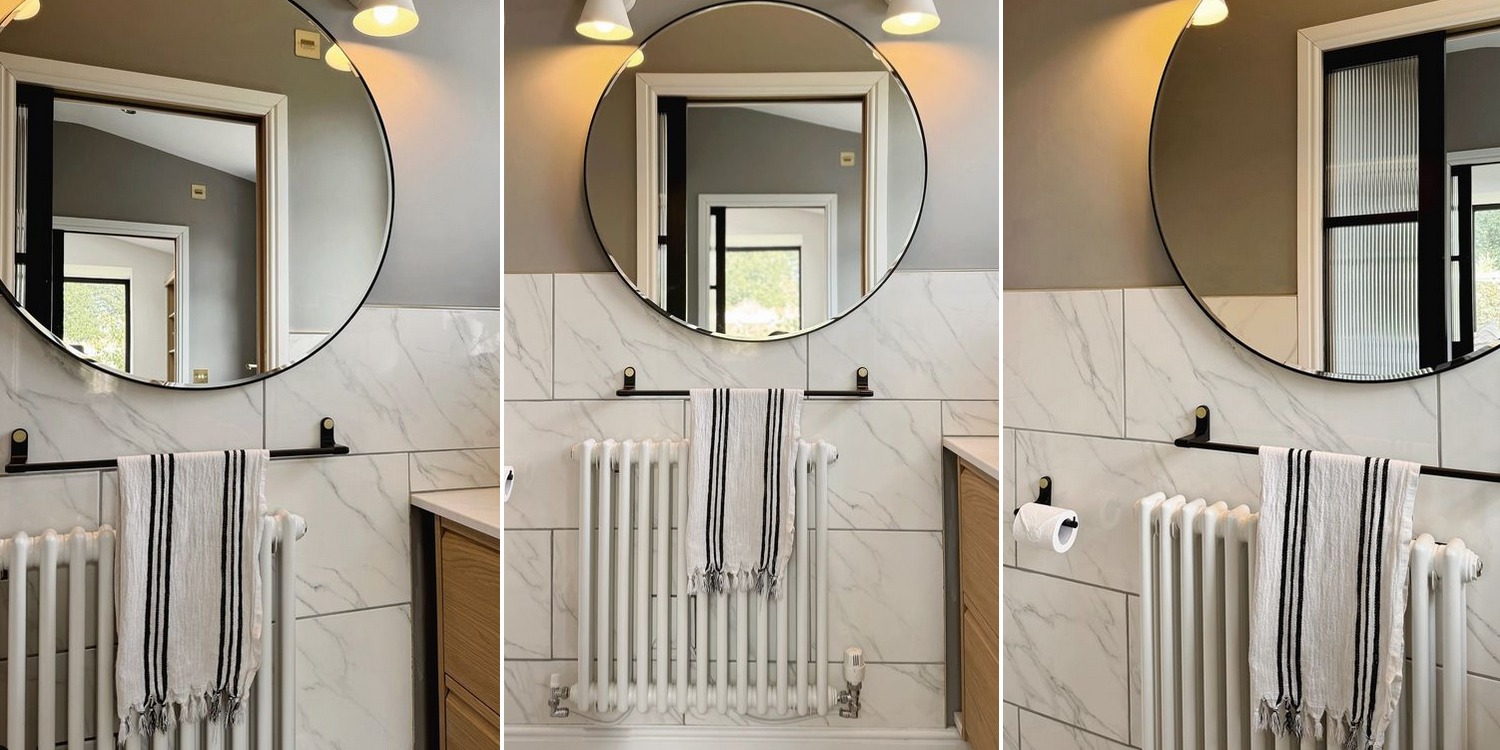
A warm bathroom is a home comfort you really notice when it’s missing. Choosing the right heater for the space doesn’t have to be complicated: towel rails promise to keep towels dry and the room comfortable, while traditional bathroom radiators are often better at delivering strong, consistent heat.
The ‘best’ choice depends on how you use the space (quick morning showers versus long evening baths), how big the room is, how well it holds heat and what you want your bathroom to look like.
If you want the simplest starting point:
-
Choose a towel rail if your priority is warm, dry towels, you have a small-to-medium bathroom or you want a sleek, space-saving option.
-
Choose a traditional bathroom radiator if you need maximum room heat, you have a larger or colder bathroom or you already have towel hooks/underfloor heating and just want the room warmed properly.
-
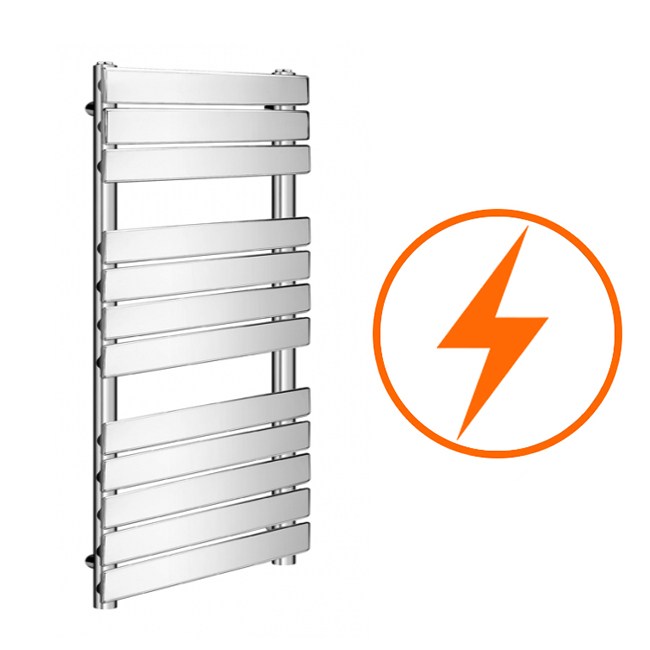
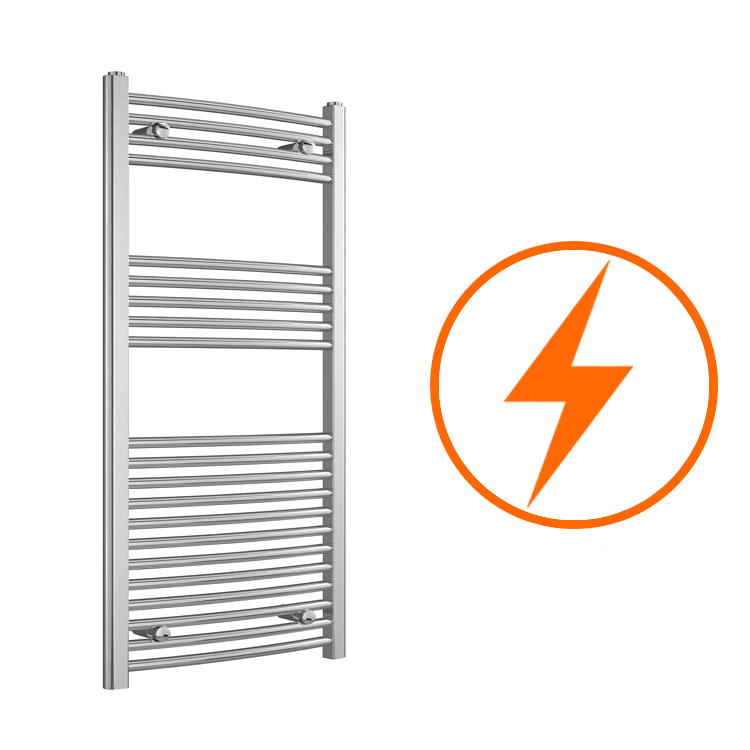
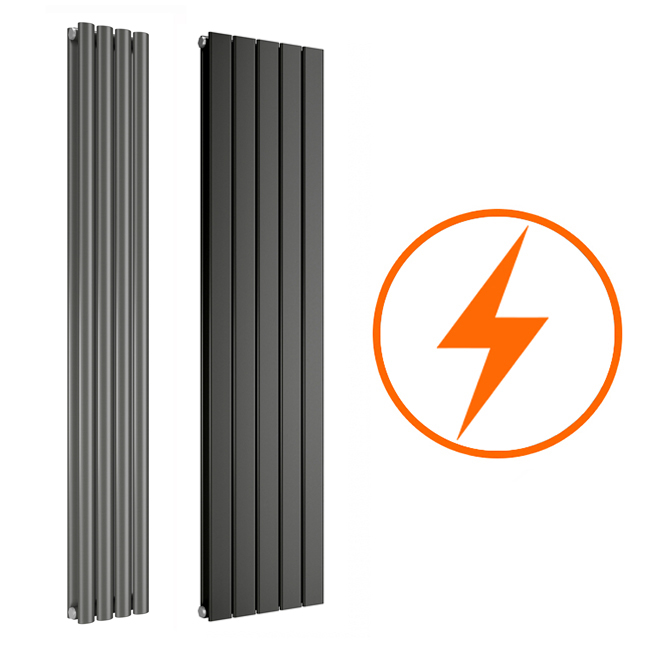
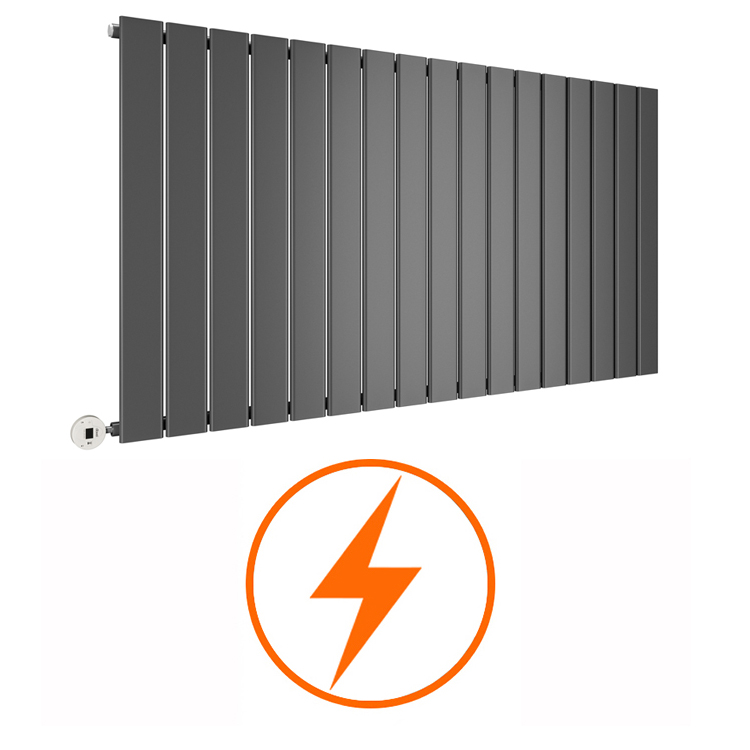
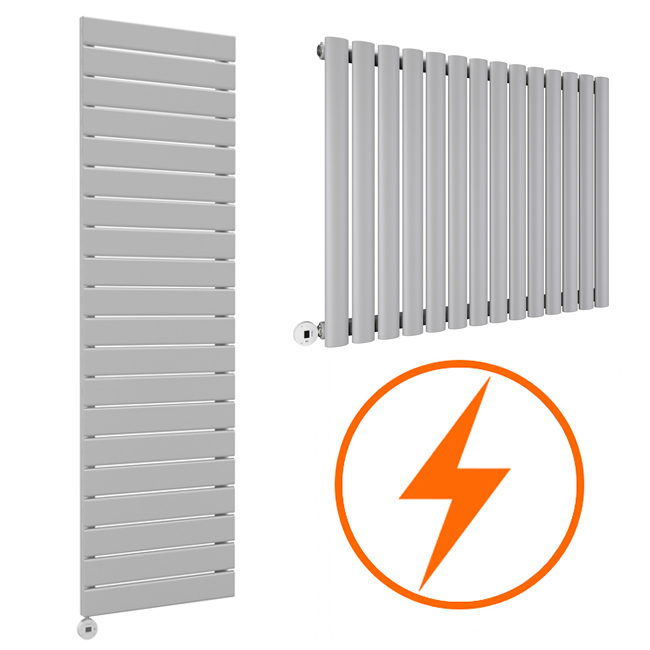
Consider electric towel rails if you want heat on-demand without relying on your central heating being on.
Types of bathroom radiators
-
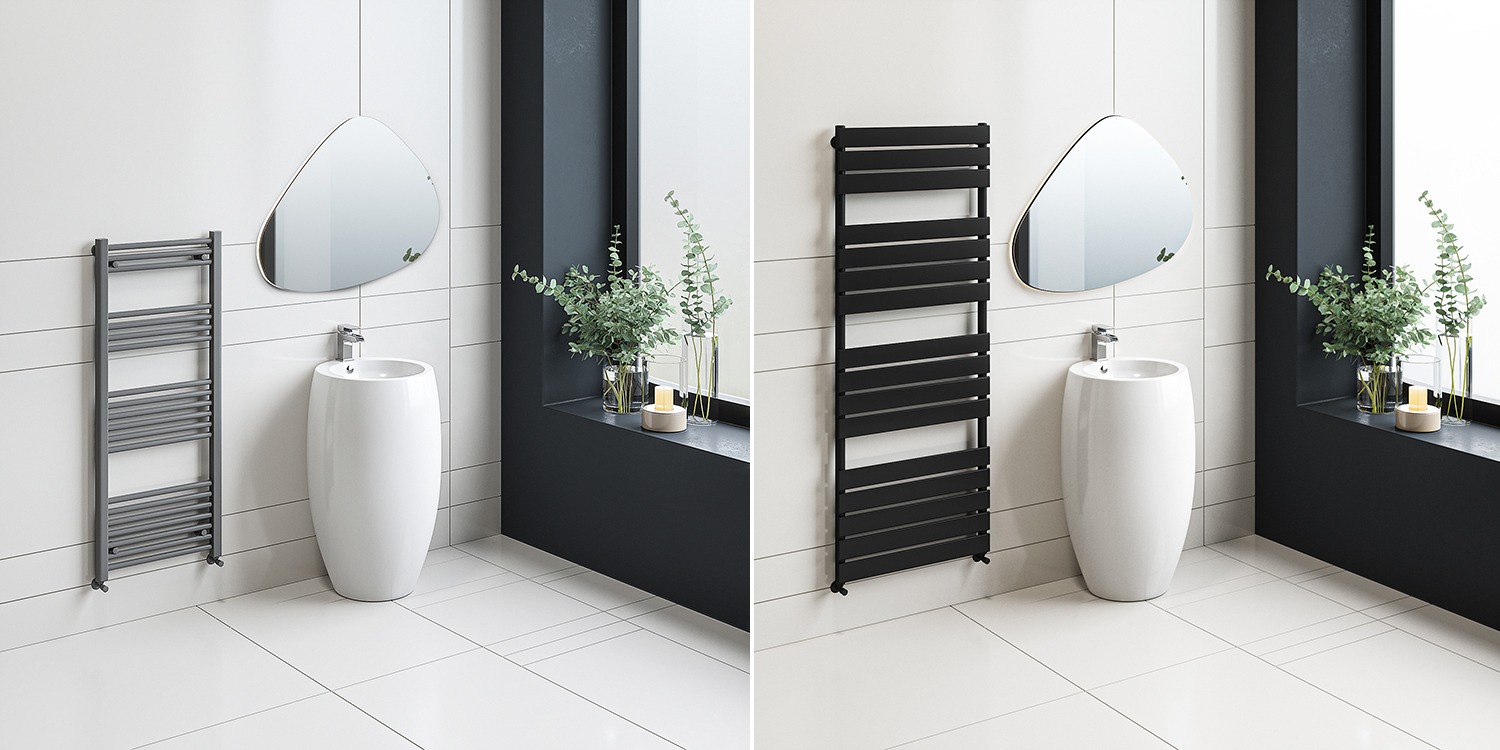
Towel rails/towel radiators (often ladder-style)
-
Traditional radiators designed for bathrooms (compact panels, columns, vertical designs etc.)
When people search for bathroom radiators, they often mean one of two product types:
Both can work brilliantly in a bathroom; you’re mainly choosing between towel-drying convenience and pure heating performance (though there is overlap).
Towel rails (towel radiators)
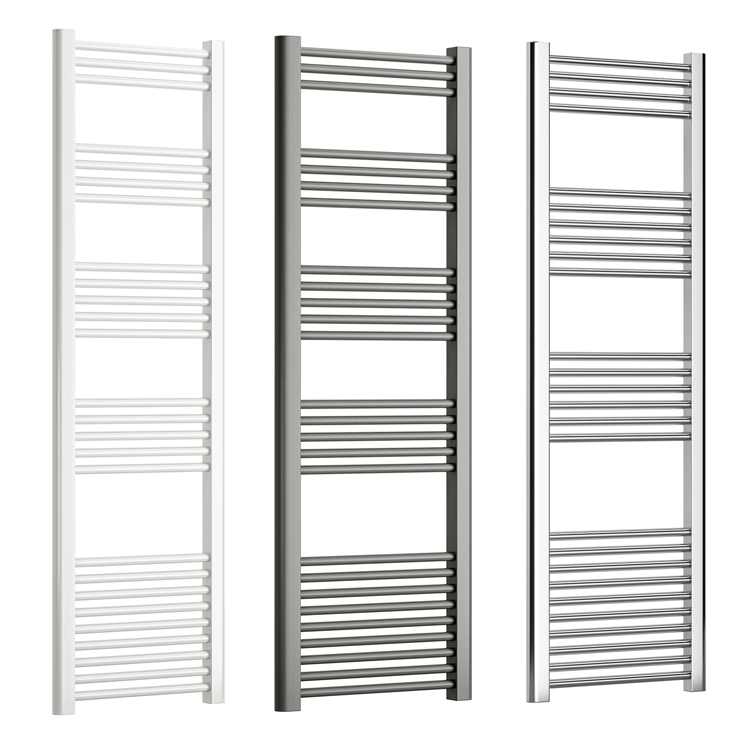
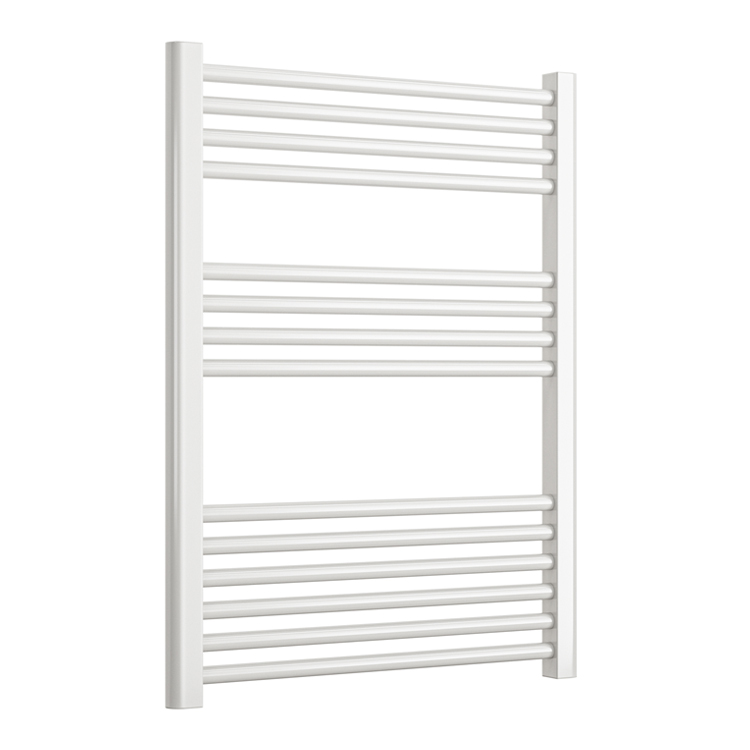
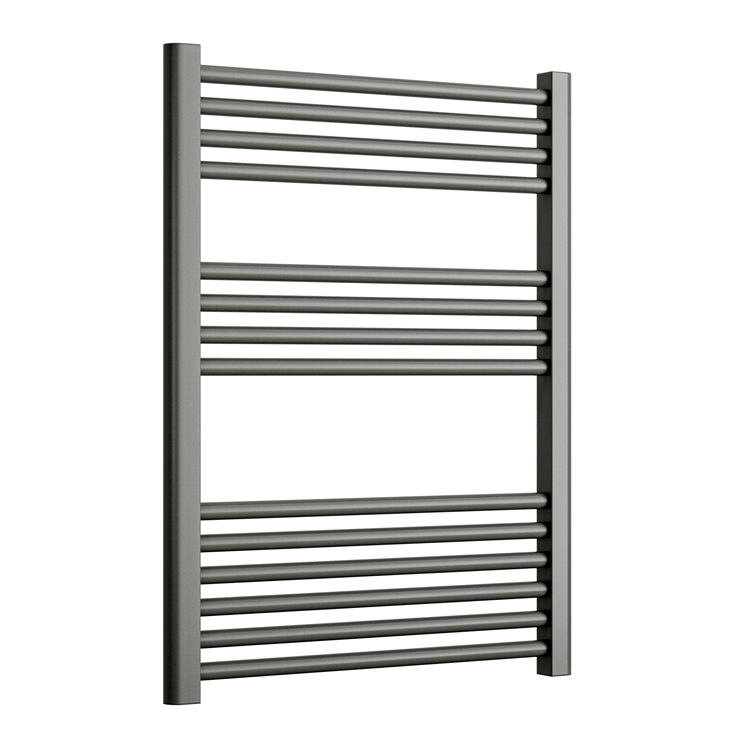
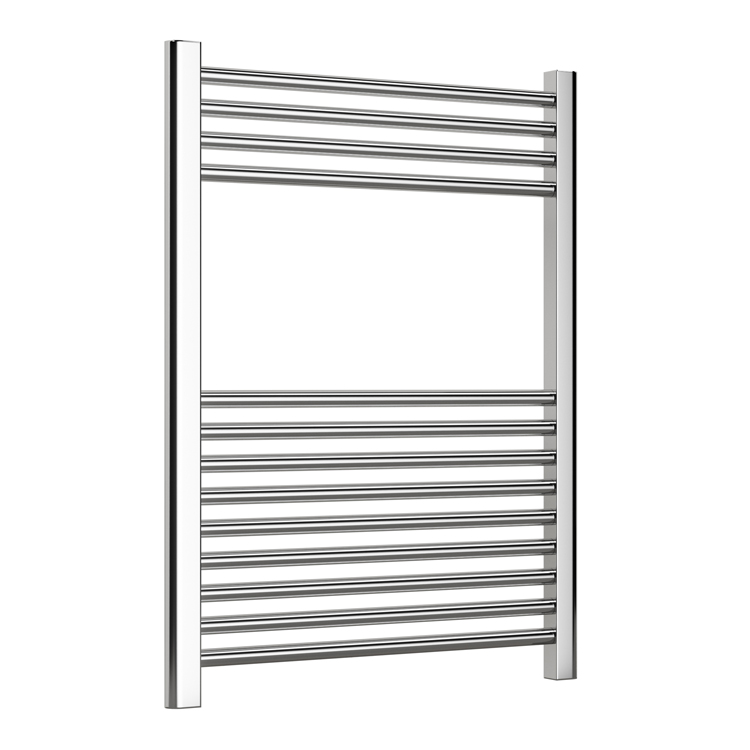
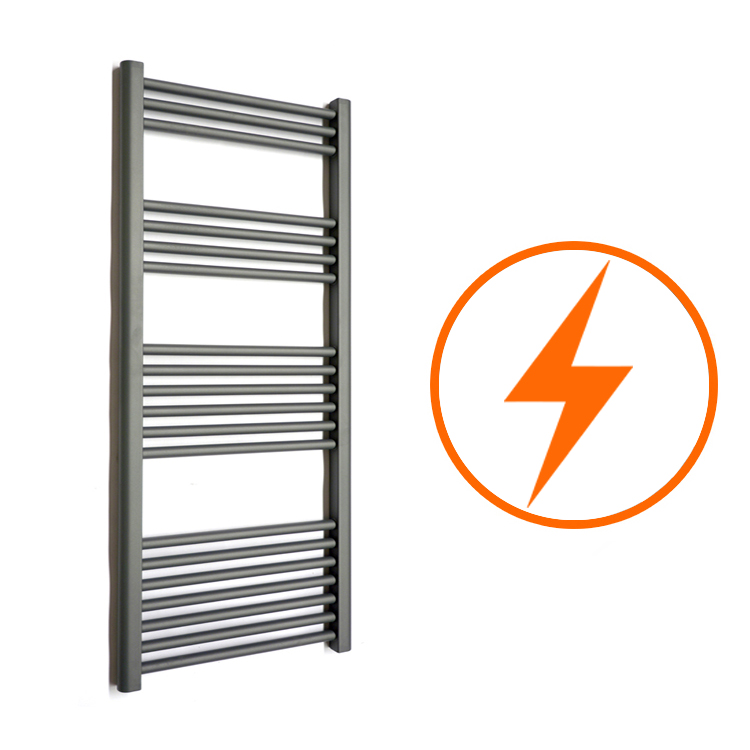
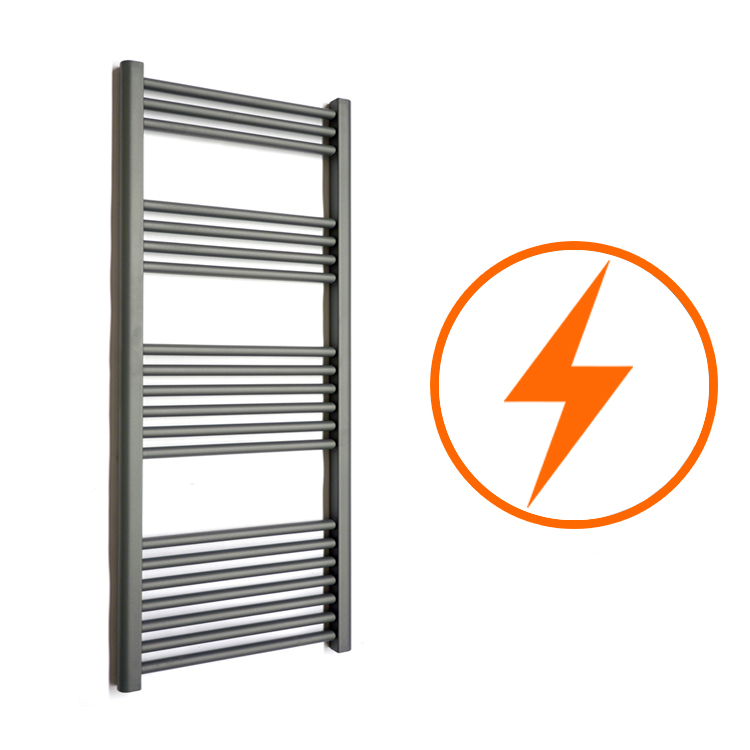
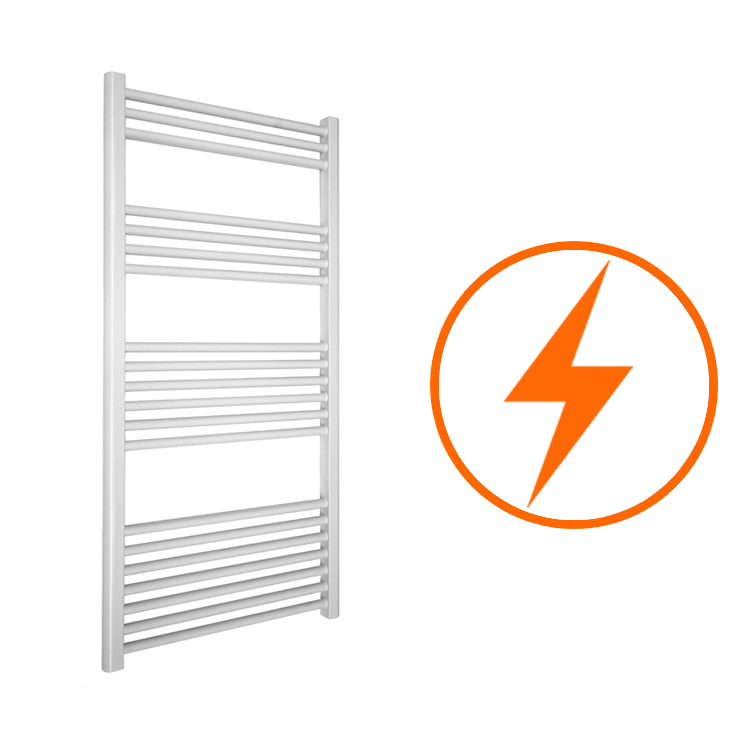
A towel rail (also called a towel radiator) is designed with horizontal bars so towels can hang and dry while the unit heats the room. The most common style is the “ladder” rail, available in a huge range of sizes, finishes and outputs.
Best for: Bathrooms where damp towels are a daily annoyance, smaller bathrooms and en- suites, homes that want a tidy, minimalist look and anyone who wants warmth and towel drying from one product.
The main advantages of towel rails
They dry towels properly
A towel rail can make a noticeable difference to the bathroom’s “always slightly damp” feeling, especially in busy family homes.
They save wall space
Because towels hang on the radiator itself, you often free up room that would otherwise be used for towel bars or hooks.
They’re style-led
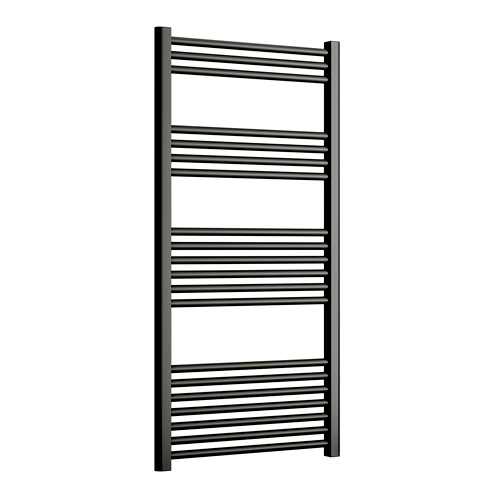
From classic chrome ladders to bold, modern black towel rails, it’s easy to find a finish that matches taps, shower frames and accessories.
Traditional radiators for bathroomss
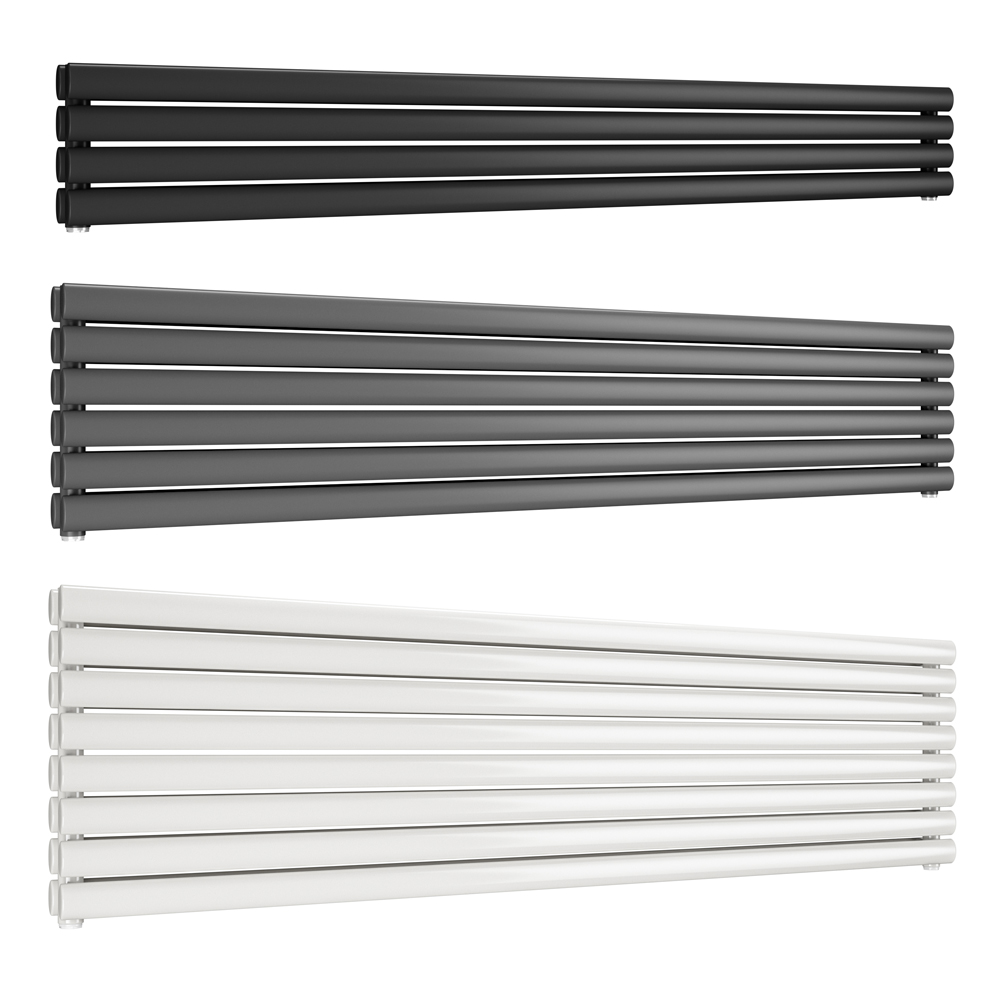
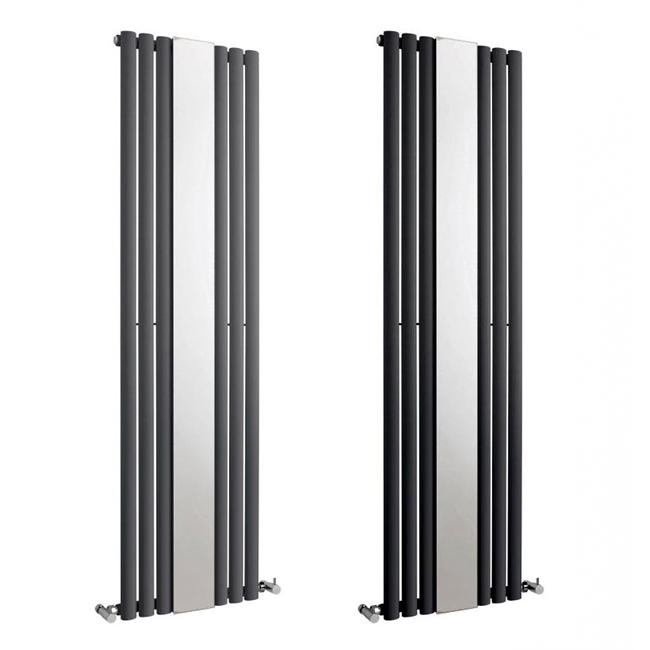
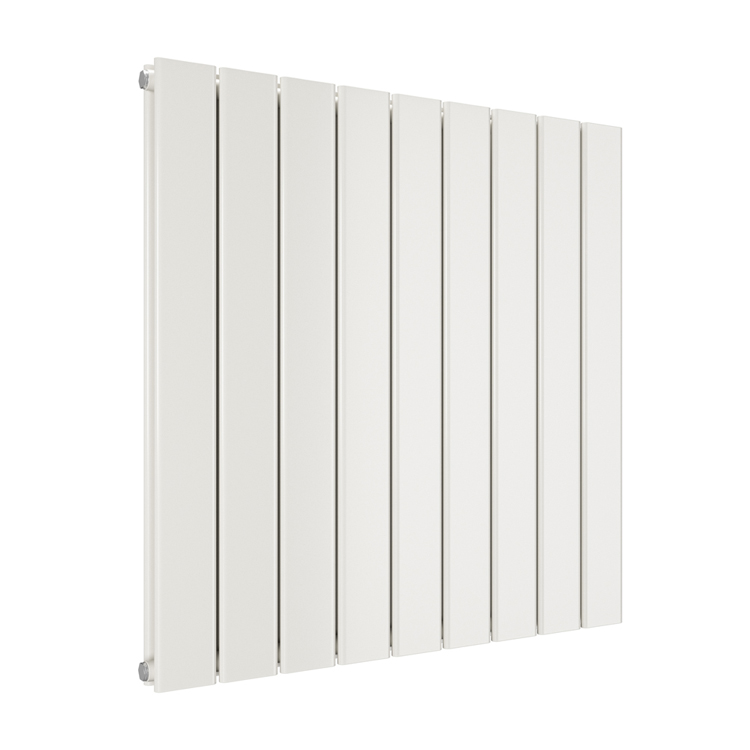
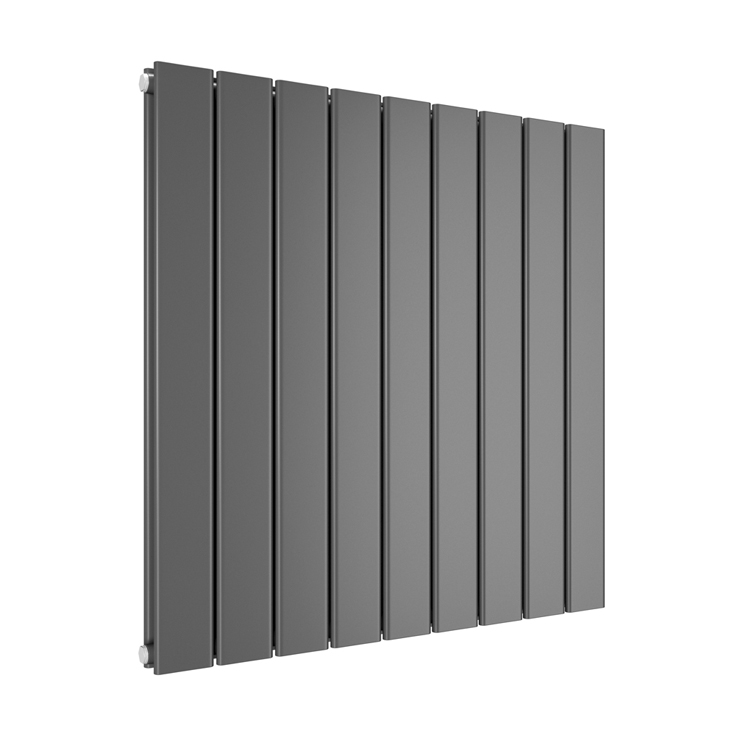
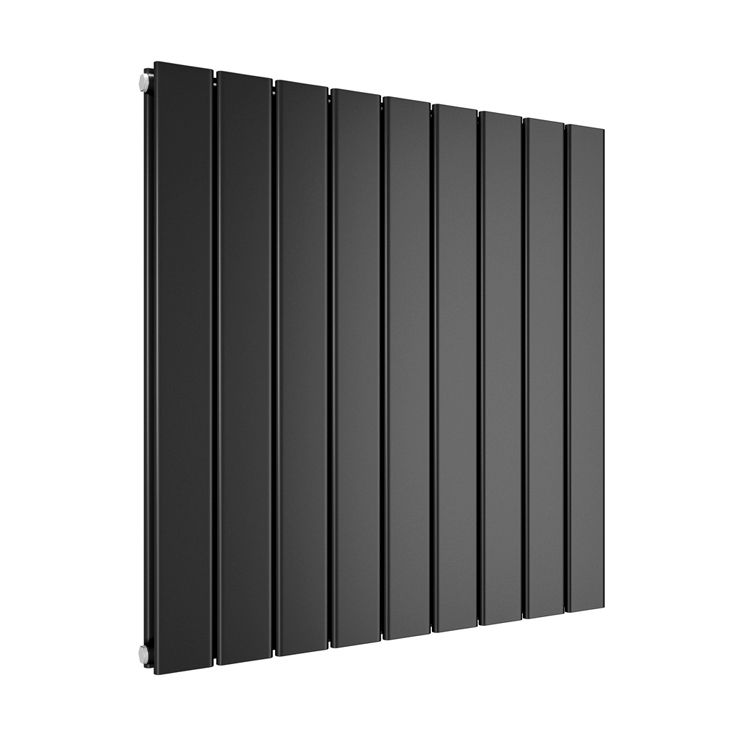
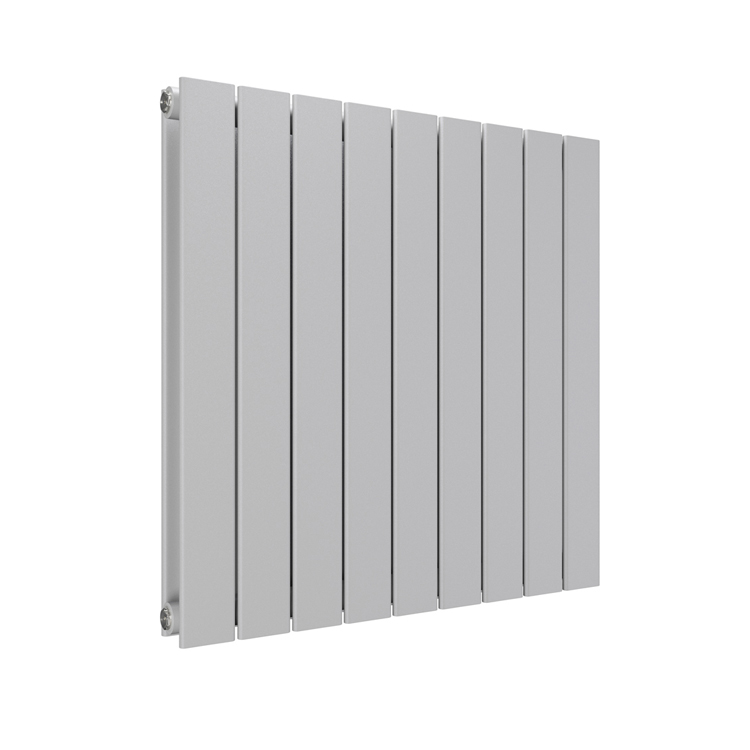
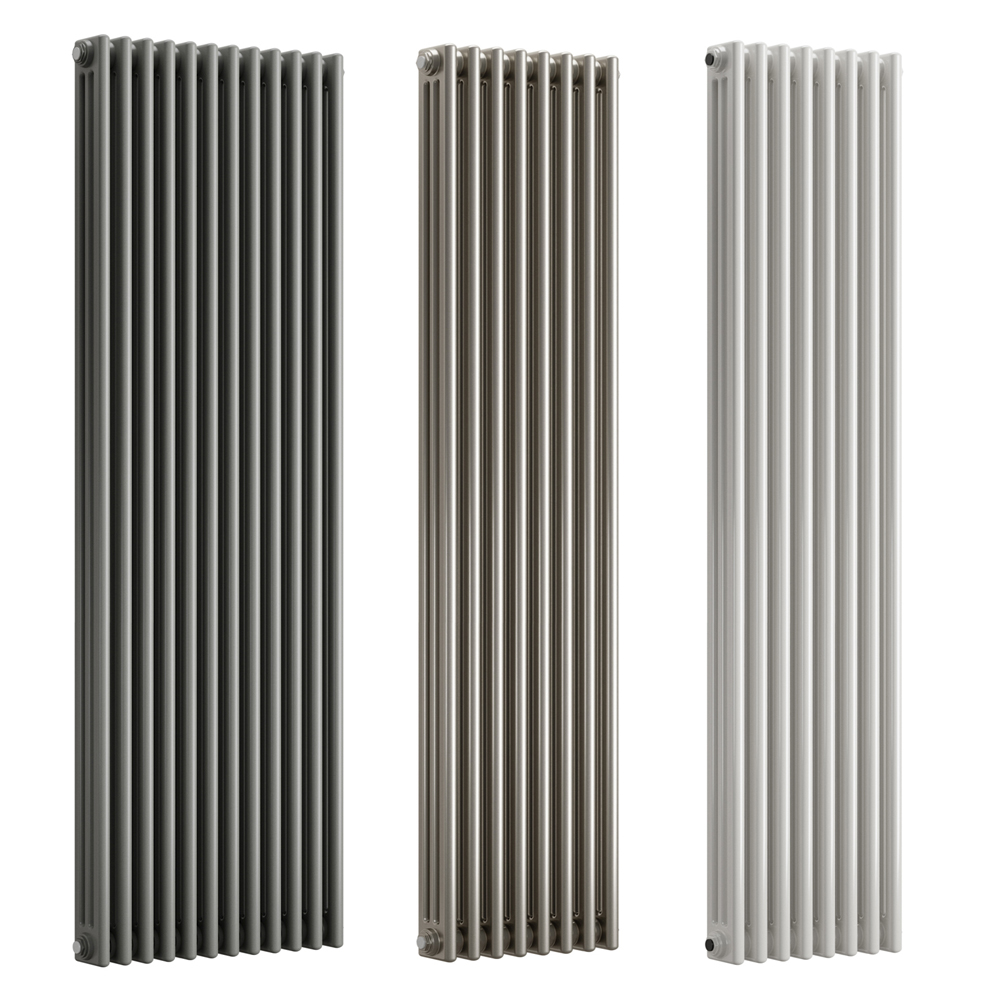
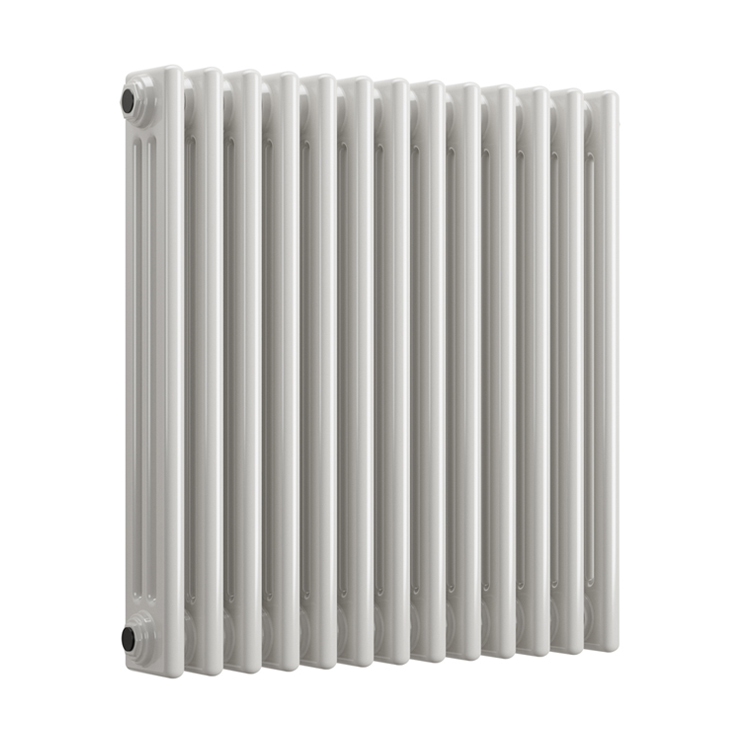
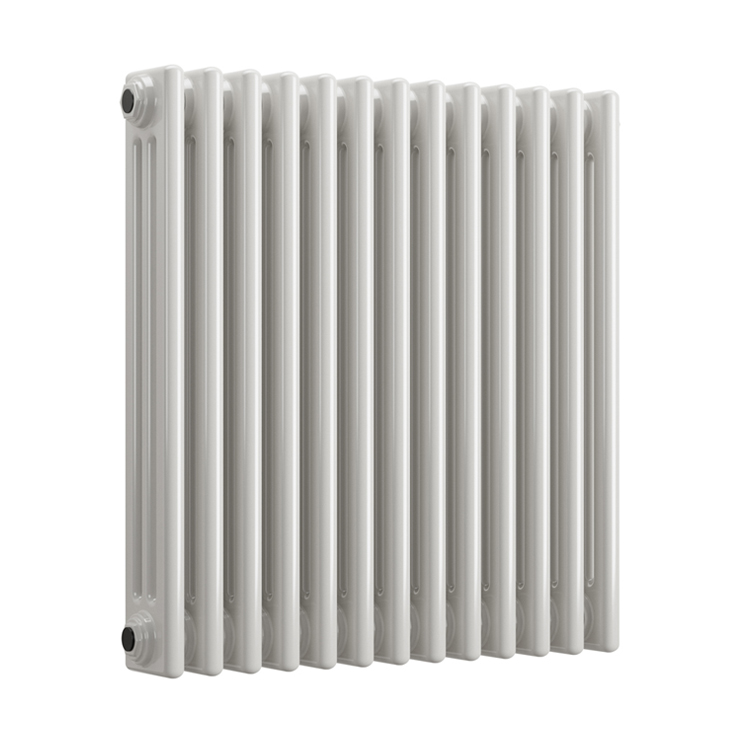
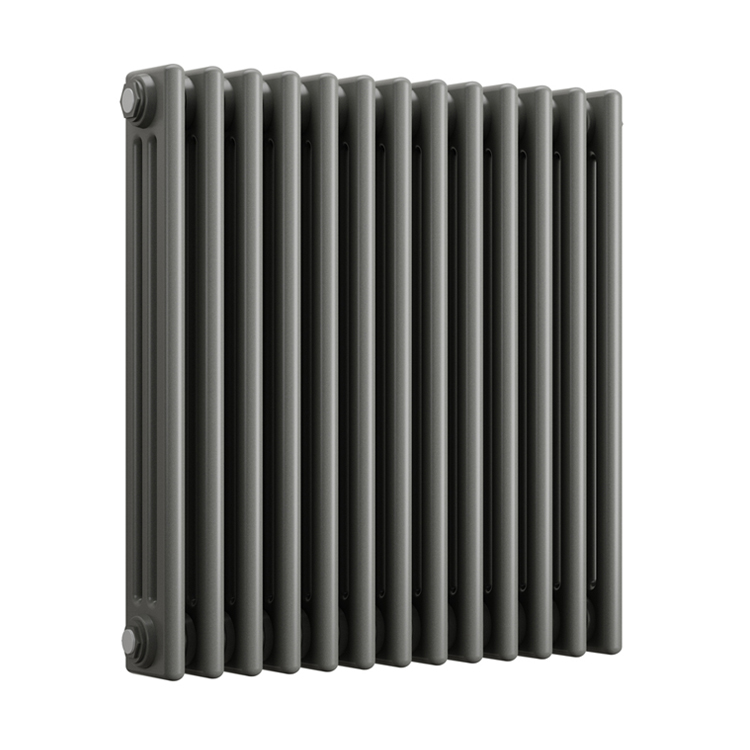
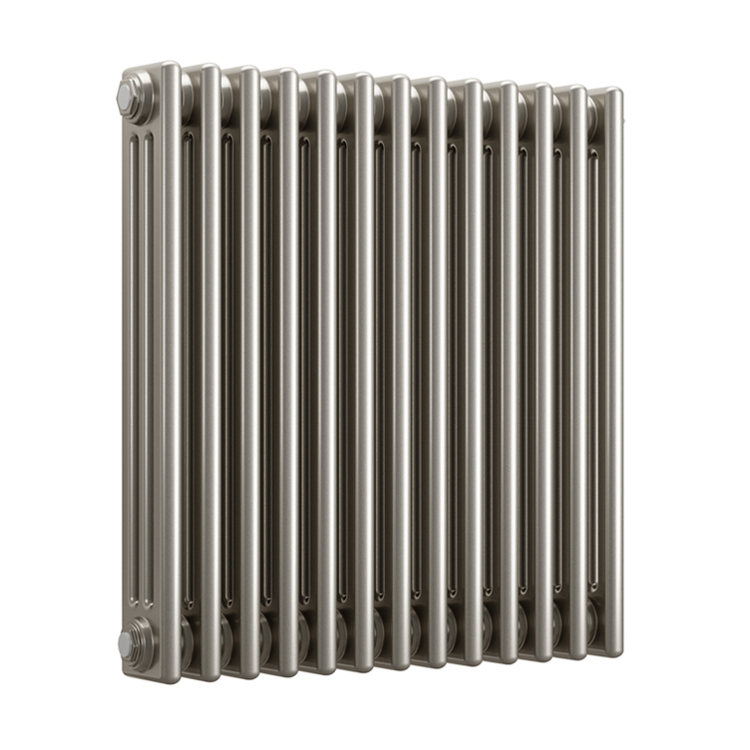
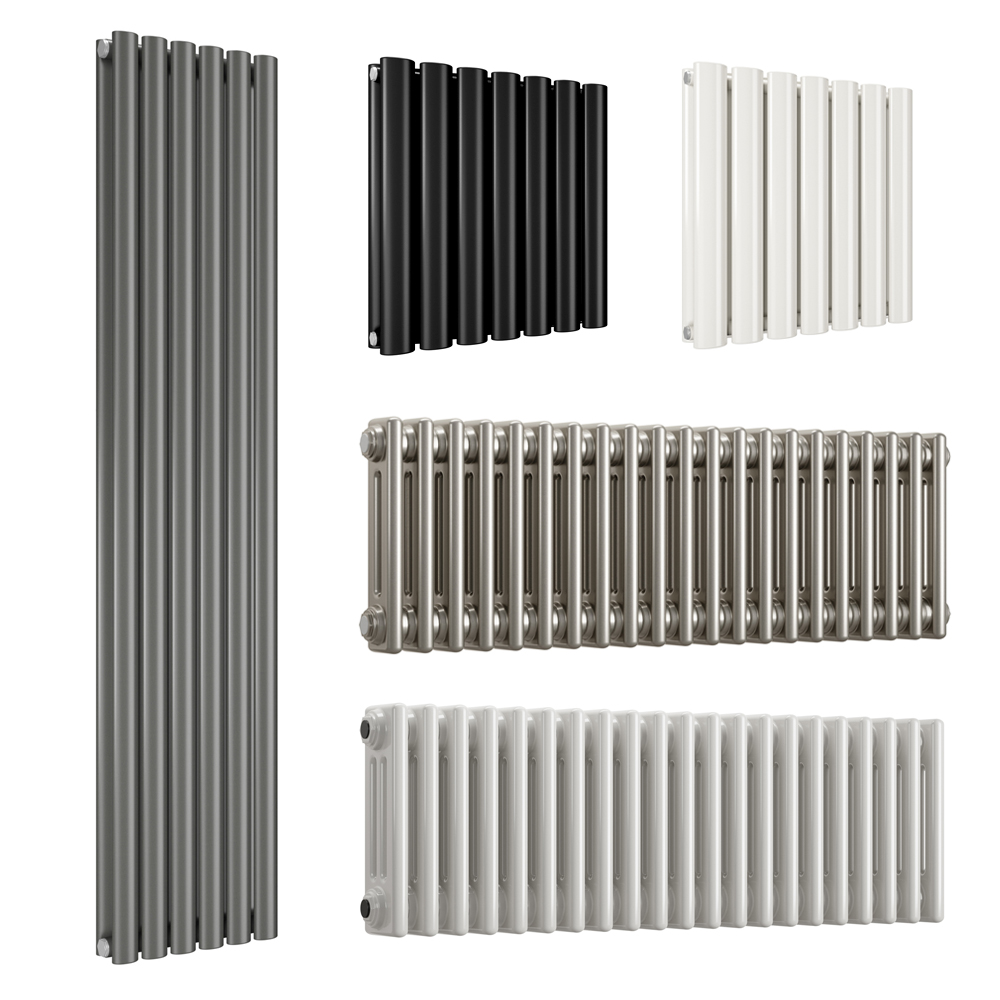
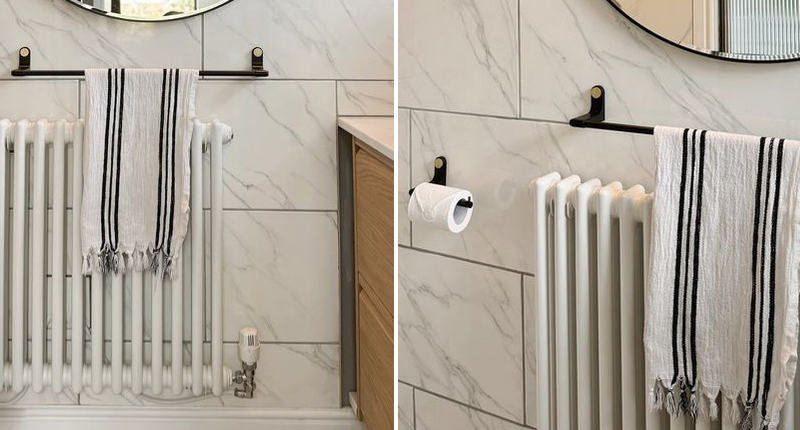
Traditional radiators don’t have towel bars as their main feature. They focus on heating performance and can include compact panel radiators, sleek vertical styles or statement column radiators.
Best for: Larger bathrooms that need reliable, room-filling warmth, period homes where a classic radiator suits the style, renovations where towel storage is handled separately and anyone prioritising heat output and comfort over towel drying
The main advantages of traditional radiators
They can deliver stronger heating
If your goal is “warm room first, everything else second”, traditional radiators often give you more output for the wall space.
They’re easier to size for warmth
Because you’re not balancing towel drying with airflow, you can choose a radiator based on room heating needs more directly.
Plenty of design options exist now
‘Traditional’ doesn’t have to mean bulky. Modern bathroom radiators can look sharp, architectural and purposeful.
However, it’s worth noting that if you opt for just a traditional radiator in your bathroom, it likely won’t dry towels as effectively without accessories. You can add towel bars or hang towels nearby, but you’re not getting the same direct drying performance as a dedicated towel radiator.
Towel rails vs. traditional bathroom radiators: the key differences
1. Heating performance and comfort
Traditional bathroom radiators generally win if you want the room to feel warm quickly and stay warm. Towel rails can heat a bathroom well too, but sizing matters more, especially if towels will cover a large portion of the bars.
For example, if you have a small en-suite where the door is often closed, a towel rail can be perfect. If you’ve got a big family bathroom with higher ceilings and lots of ventilation, you may appreciate the extra “push” of a traditional radiator (or a larger towel radiator).
2. Towel drying and moisture control
Towel rails and towel radiators are built for this job. They help towels dry faster and can reduce that lingering damp smell. Traditional radiators can dry towels if you hang them nearby, but results vary.
If your bathroom routinely has multiple towels in use (family home, sports kids, frequent showers), towel-drying convenience is not a small thing; it’s daily quality of life.
3. Aesthetics: what looks best in a modern bathroom?
This is where personal taste comes in, but some finishes are consistently popular:
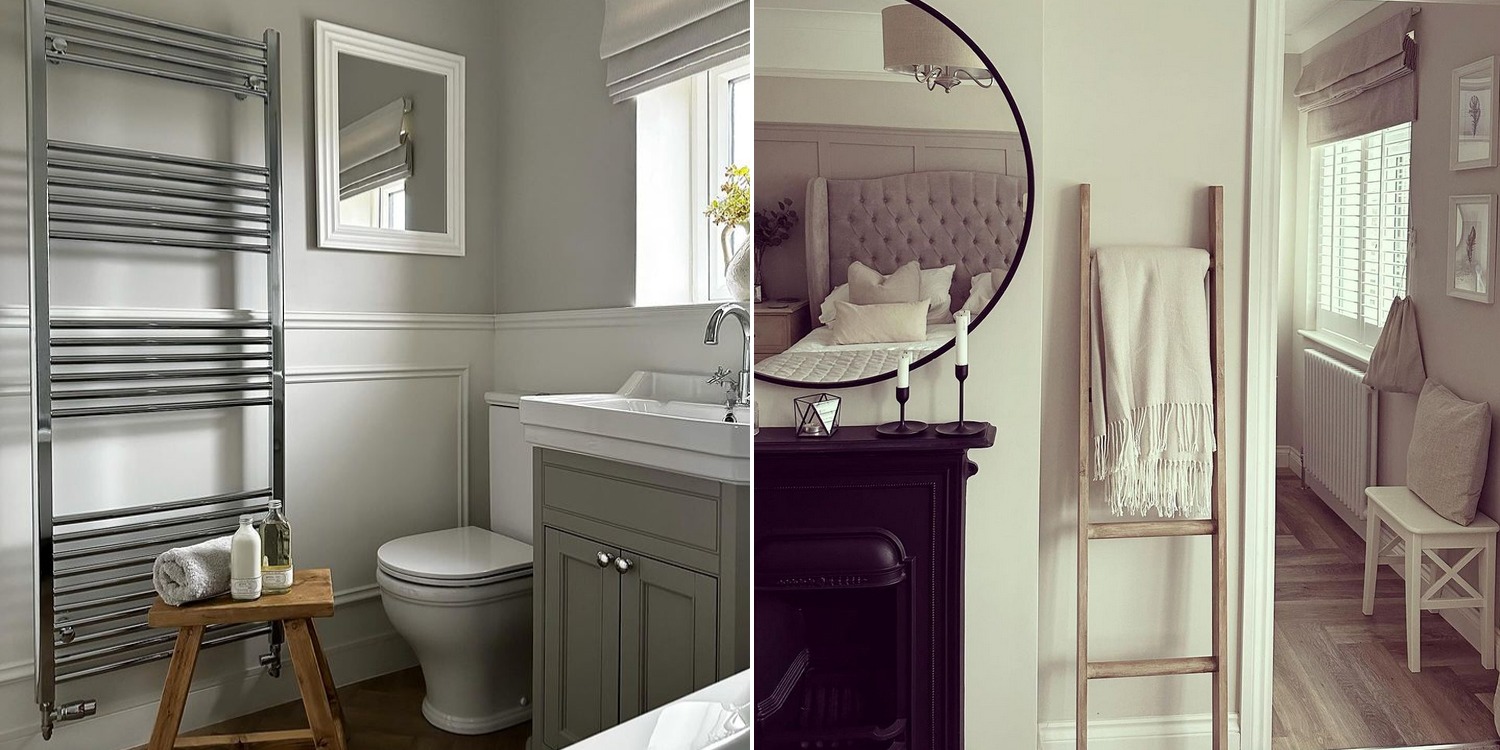
Chrome towel rails: bright, reflective, and a classic match with chrome taps and shower frames.
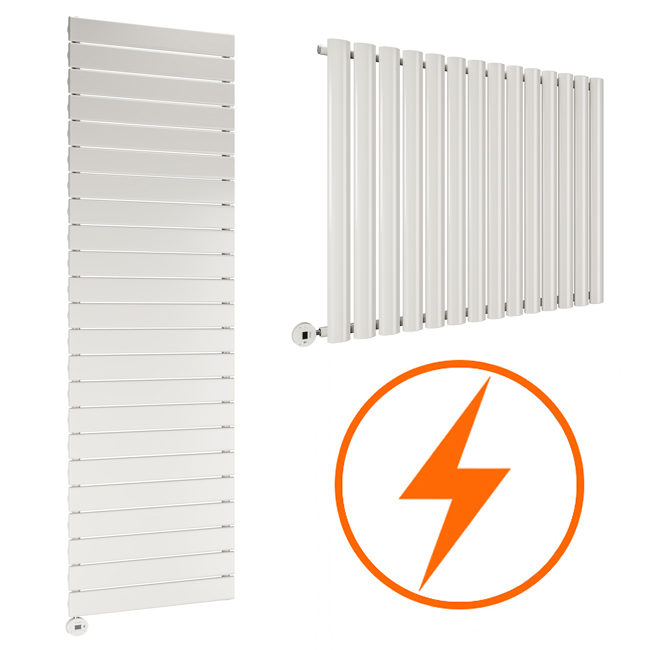
White towel rails:calm, understated, and great for airy bathrooms (also forgiving with water marks).
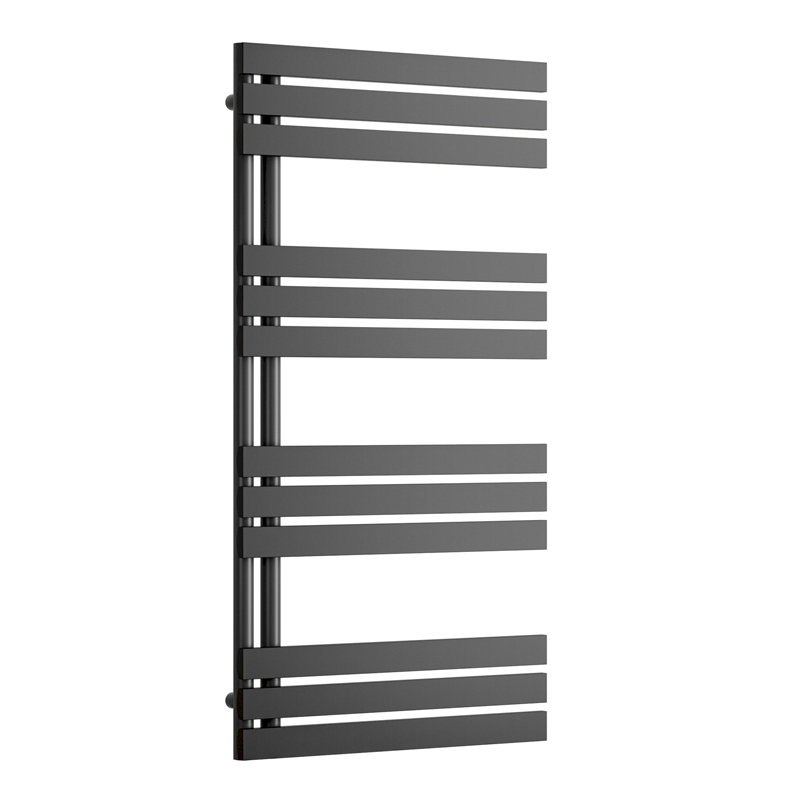
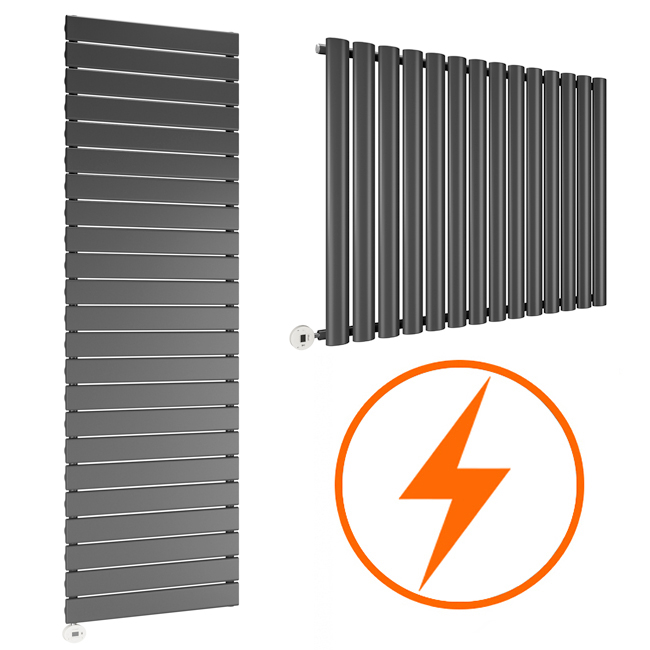
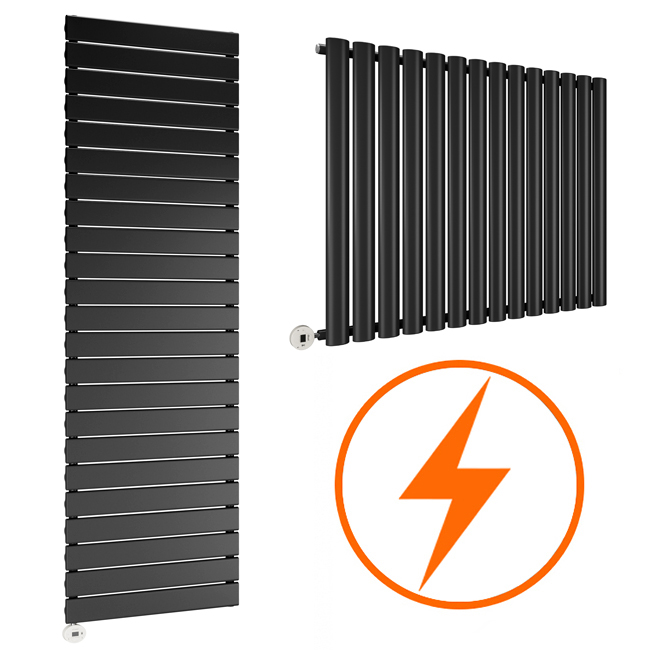
Black towel rails: bold and modern, especially good with matt black taps or industrial-style tiles.
Traditional radiators can also look stunning, particularly vertical designs and columns in modern neutrals or dark finishes.
Top tip: If you’re mixing metals (for example, brass taps and black accessories), keep your radiator finish intentional, either match one key element or choose a neutral like white.
4. Energy efficiency and running costs
Efficiency isn’t only about the radiator type, it’s about controls, room insulation and whether you’re heating only when you need it.
Central heating towel rails and radiators can be very efficient when paired with good system controls (thermostats, TRVs, timed schedules). Electric towel rails are brilliant for targeted use: heat the bathroom for 30-60 minutes in the morning and evening, rather than warming the whole house.
A common “best of both” approach is central heating for whole-home comfort and an electric towel rail (or dual fuel towel radiator) for the seasons when you don’t want the full heating on
5. Installation considerations (what to expect)
Central heating towel rails and radiators typically connect to your existing pipework. This can be straightforward if you’re swapping like-for-like in the same location and more involved if you’re moving things around during a renovation. Electric towel rails need safe electrical installation suitable for bathroom use. In bathrooms, placement and product suitability matter: always use a qualified professional to ensure the correct setup for your space.
If you’re renovating, decide on your radiator early. The size, pipe centres and placement affect tiling, vanity positioning and even mirror height.
6. Space and layout
Ask yourself:
-
Do you have a clear wall where towels won’t hit the toilet/vanity?
-
Do you want towels near the shower or bath?
-
Is the bathroom tight on storage?
A towel rail often acts like a “two-in-one” (heater + towel storage). A traditional radiator is better if wall space is limited in awkward ways or towels are handled elsewhere.
Which option is best for your bathroom?
Choose towel rails (towel radiators) if:
-
You want towels to dry properly between uses
-
Your bathroom is compact and needs wall space efficiency
-
You love the look of chrome towel rails, white towel rails or black towel rails as part of the design
-
You prefer a neat, uncluttered bathroom with fewer accessories
Choose traditional bathroom radiators if:
-
You need strong, consistent heat in a large bathroom
-
You already have towel storage sorted (hooks, rails, heated mirrors, etc.)
-
You want the radiator to be primarily about comfort and warmth
-
You’re pairing with underfloor heating and want a reliable backup heat source
Choose electric towel rails if:
-
You want bathroom heat even when central heating is off
-
You want quick, timed warmth for mornings and evenings
-
You’re upgrading a bathroom without changing pipework
-
You want that hotel-style “warm towel” feel on demand
Finishes and performance: does colour make a difference?
People often ask whether chrome is “less warm” than white or black. In practice, the bigger factor is usually the radiator’s output and size, plus how it’s used (towels on/off), rather than colour alone.
That said, choosing the finish is still important for real-life reasons:
-
Chrome can show water spots more easily (depending on your water)
-
White feels timeless and blends in
-
You’re upgrading a bathroom without changing pipework
-
Black makes a strong design statement and can anchor the room visually
If you love the look, pick it – then size the radiator properly so performance matches your expectations.
Buying tips: how to choose the right size
Even the best-looking radiator is a let-down if it doesn’t keep the room comfortable. When choosing between towel rails and traditional bathroom radiators, consider:
-
Bathroom size and ceiling height
-
Insulation level and draughts
-
How often the room is used
-
Whether towels will be hanging most of the day
-
Whether you want the radiator to be the main heat source or a supporting one
If in doubt, it’s often better to go slightly larger, especially for towel radiators that will frequently be covered.
The ‘best’ option is the one that matches your bathroom routine
If your bathroom life revolves around towels – showers, sports kits, kids, constant laundry – towel rails and towel radiators are hard to beat. If your priority is making the room warm and comfortable, particularly in larger spaces, traditional bathroom radiators can be the smarter choice. And if you want heat exactly when you need it, electric towel rails offer flexible, targeted comfort.
When you’re ready to choose, Radiator Outlet Ireland has a wide range of bathroom radiators, towel rails and finishes including white towel rails, black towel rails and chrome towel rails, with options to suit everything from compact en-suites to statement family bathrooms.
FAQs: Towel rails vs traditional bathroom radiators
Are electric towel rails expensive to run?
Yes, many do, especially in smaller bathrooms. The key is choosing a towel radiator with enough output for the room and remembering that towels can reduce the heat reaching the air.
Do towel rails heat a bathroom properly?
They can be cost-effective when used in short bursts with a timer (for example, morning and evening). Running any electric heater constantly is usually where costs climb – controls make a big difference.
Can a towel rail run on central heating?
Yes, many towel rails connect to central heating like any other radiator. You can also choose dual fuel options in some ranges so you have flexibility.
What’s better for a small en-suite: towel rail or radiator?
A towel rail is often ideal in an en-suite because it combines heating and towel storage without needing extra wall space.
What’s better for a large family bathroom?
A larger towel radiator can work, but a traditional bathroom radiator often provides stronger room heat. In bigger bathrooms, people sometimes combine a towel rail with underfloor heating for the best balance.
Which finish is most popular right now?
All three are popular for different styles: chrome towel rails remain a classic, white towel rails suit bright, minimal bathrooms and black towel rails are a go-to for modern, design-led spaces.
Do I need a professional to install a bathroom radiator?
For safety and performance, it’s best to use a qualified installer – especially for electric towel rails and any bathroom electrical work.