Radiator placement is a decision that quietly controls how comfortable your home feels every day. Put a radiator in the wrong spot and you can end up with cold corners, a sofa that blocks half the heat or a hallway that never quite warms up. Put it in the right spot and the room heats evenly, the system runs more efficiently and the layout looks intentional rather than compromised.
The position of your radiators matters because we have such a mix of building types. A newer A-rated house with good airtightness behaves very differently to a 1970s semi with an exposed gable wall or a period home with solid masonry that’s been upgraded in stages. Modern building standards focus on reducing heat loss through the fabric and improving overall energy performance, but comfort still comes down to how heat is delivered in the space you actually live in.
The principles that matter in every room
A radiator doesn’t blast heat out like a fan heater. Most of what you feel day-to-day is the result of convection: air warms as it passes the radiator, rises, circulates across the room, cools, then drops and repeats. The job of good placement is to help that loop happen naturally, without furniture, curtains or awkward corners interrupting it.
That’s why radiators have traditionally been placed under windows or on external walls. Older glazing and leaky frames create strong cold downdraughts; placing a radiator beneath the window helps temper the falling cold air and reduces the chill you feel near the glass. Modern double glazing gives you more freedom, but the underlying idea still holds: the coldest part of the room is often the best place to introduce heat, because it prevents cold pooling and encourages even circulation.
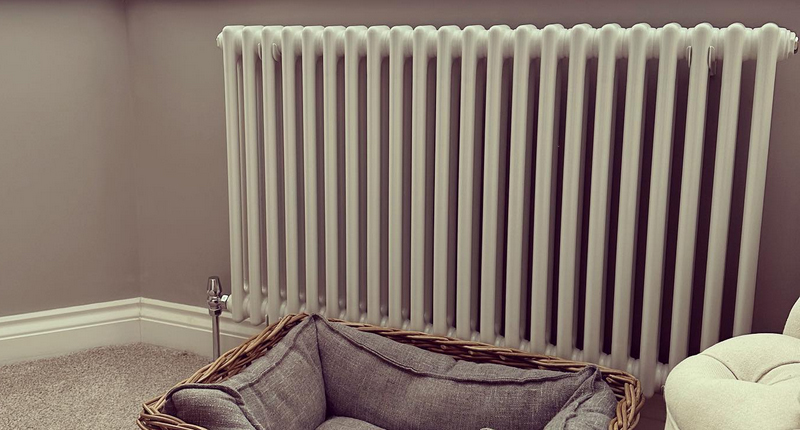
Clearance matters too. Radiators need breathing room above and below to move air. If you box one in with deep shelves, a tight vanity unit or a sofa pressed hard against it, you’re not just losing heat output, you’re often creating a warm pocket in one area and a cool room everywhere else. The same applies to heavy curtains hung in front of the radiator in winter; you may end up heating the window and the fabric rather than the space.
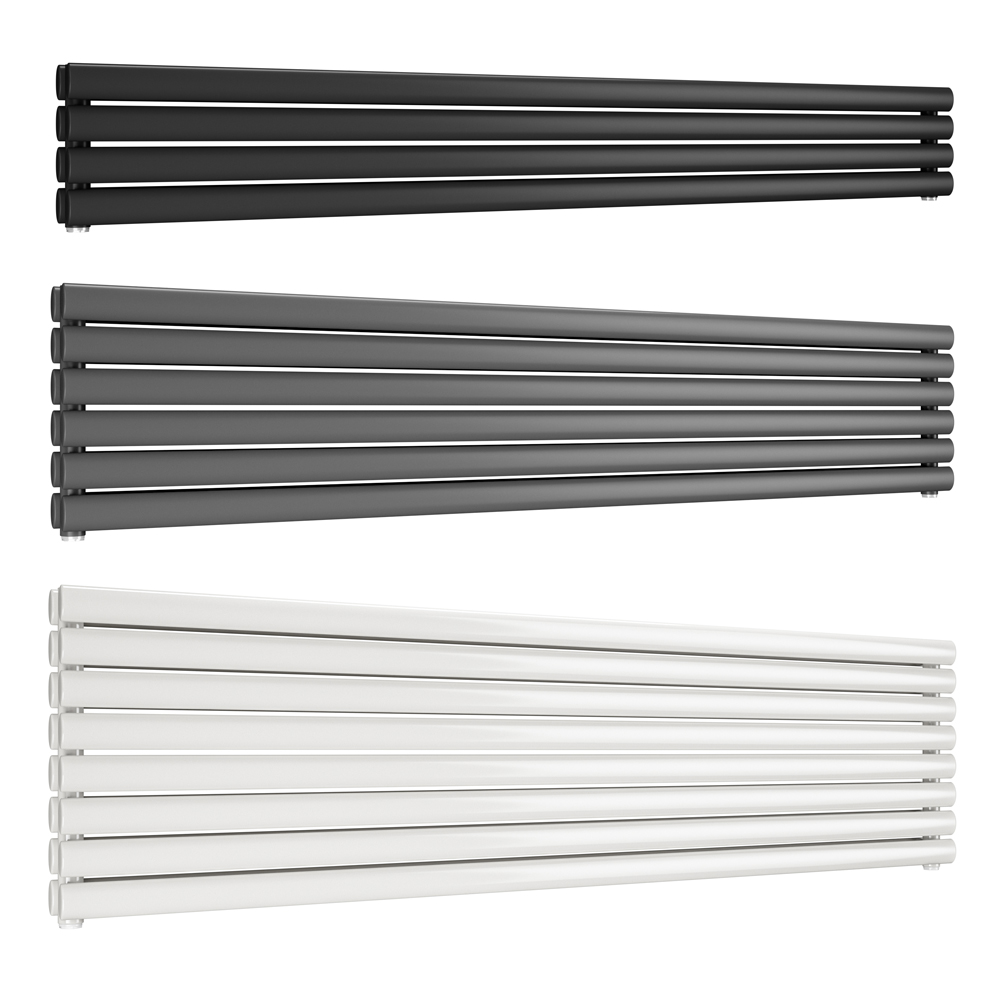
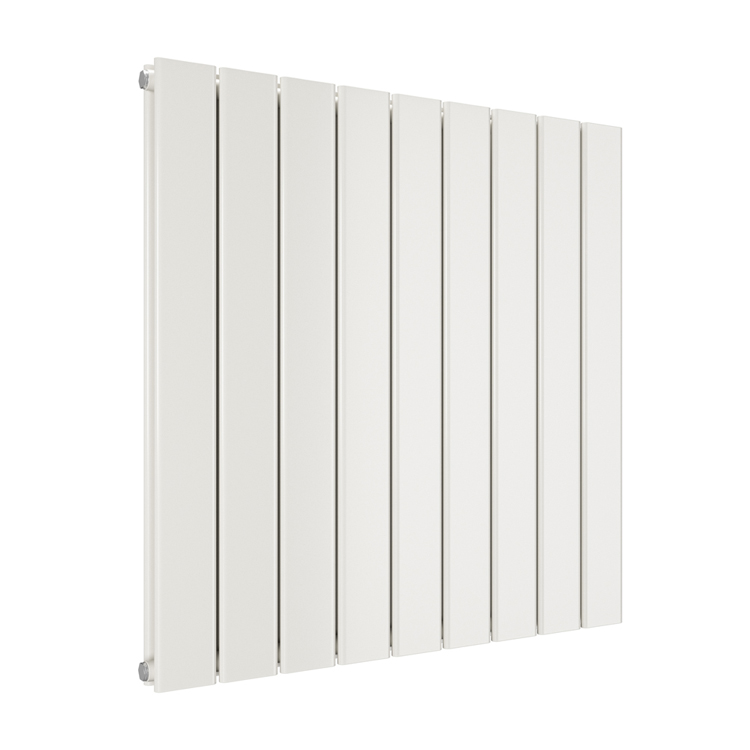
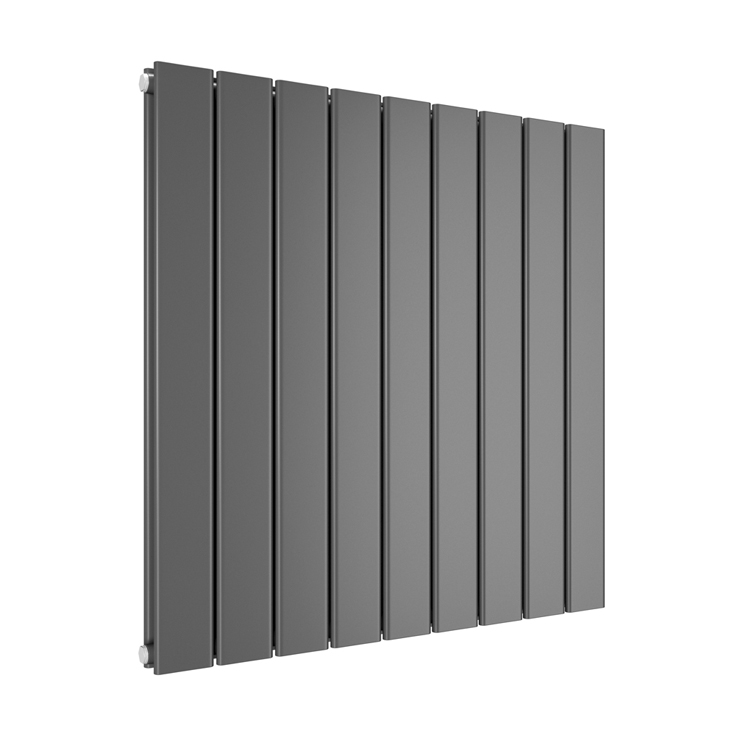
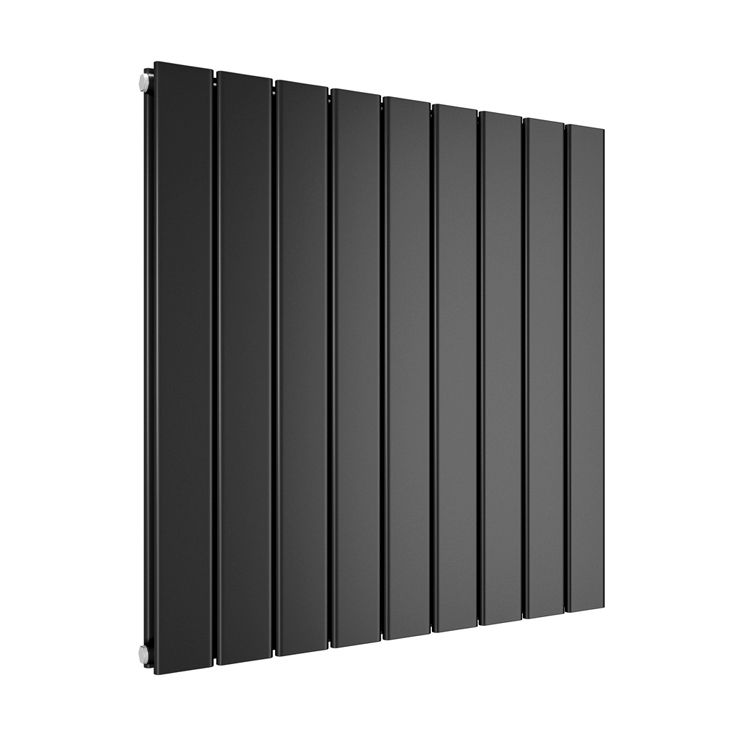
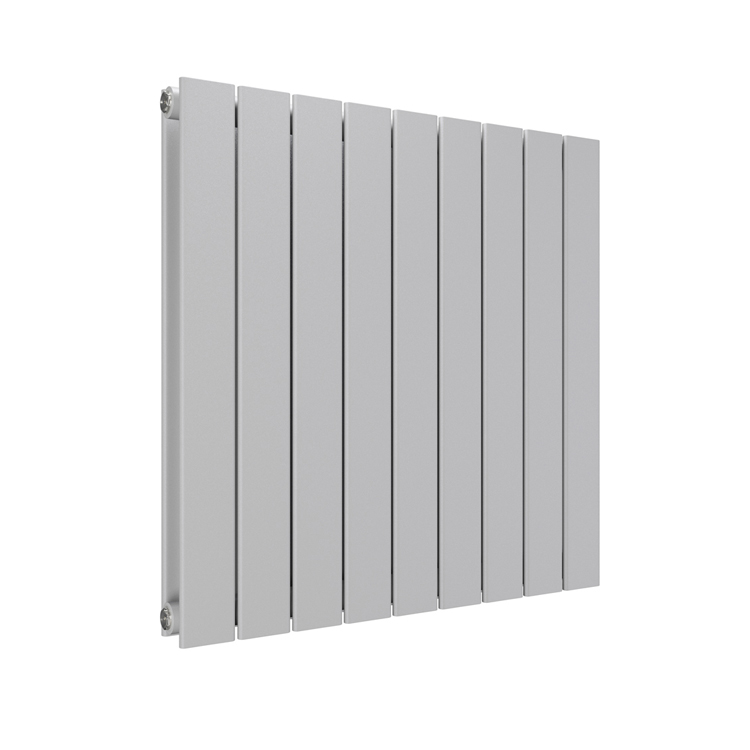
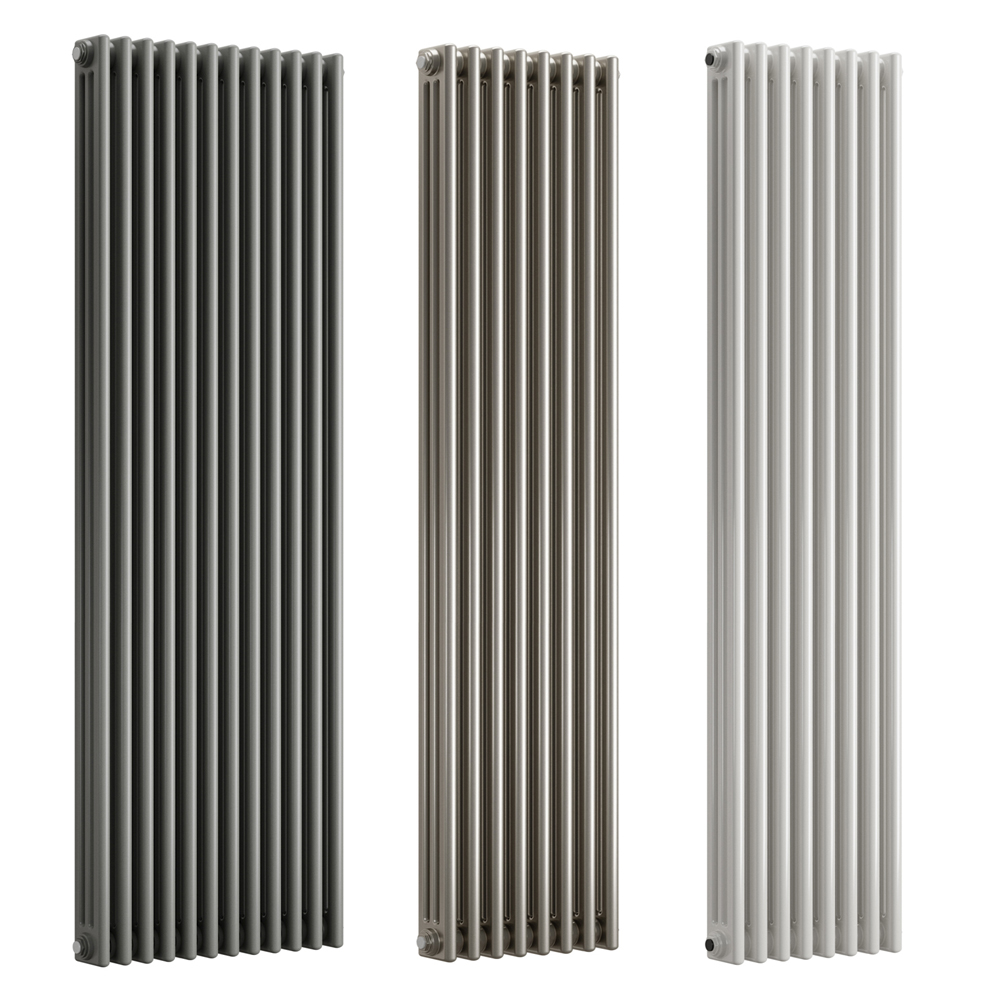
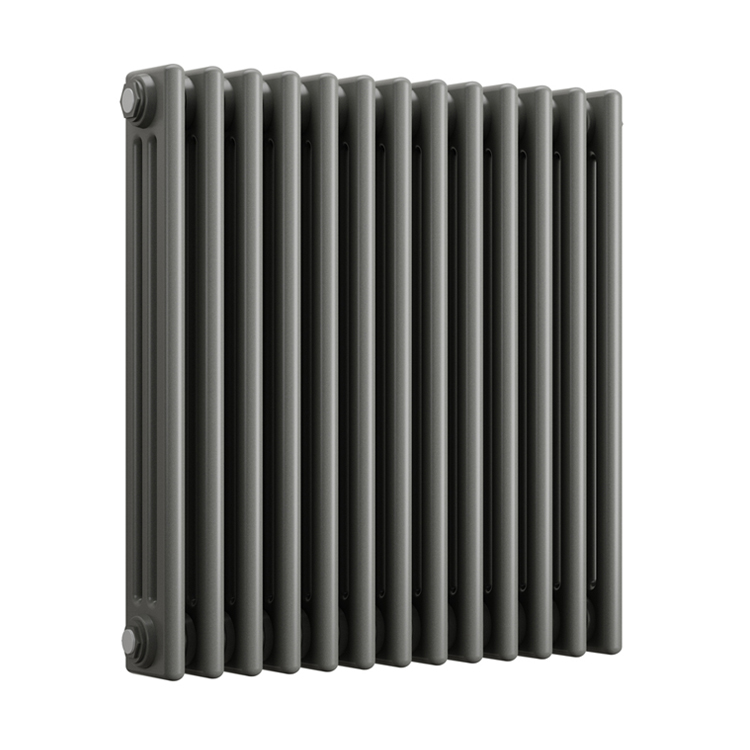
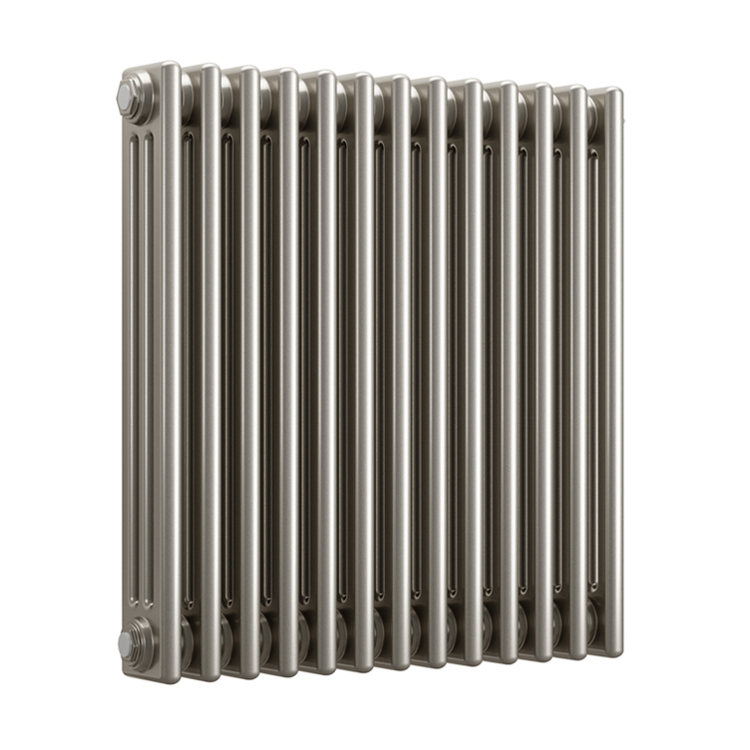
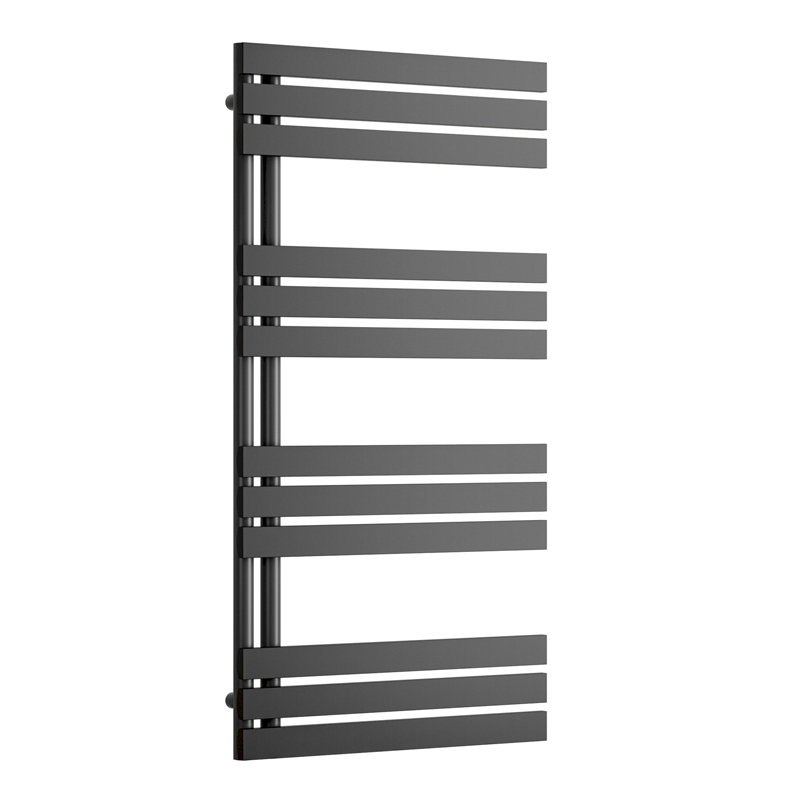
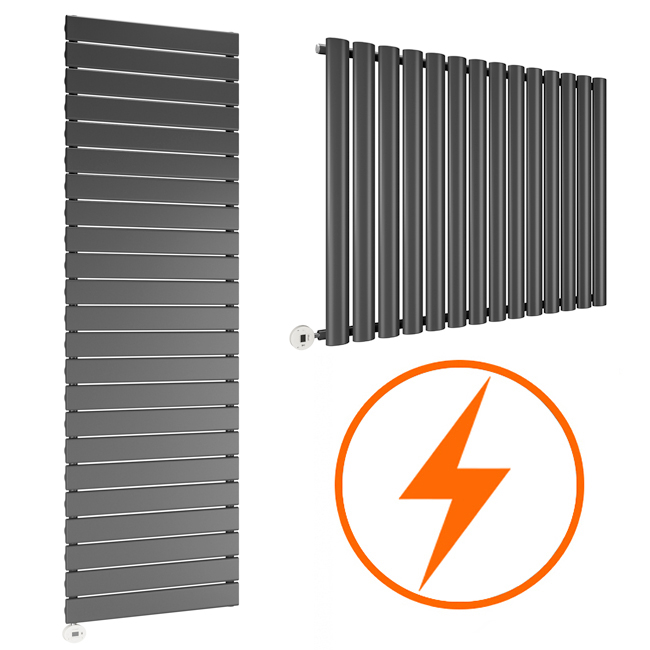
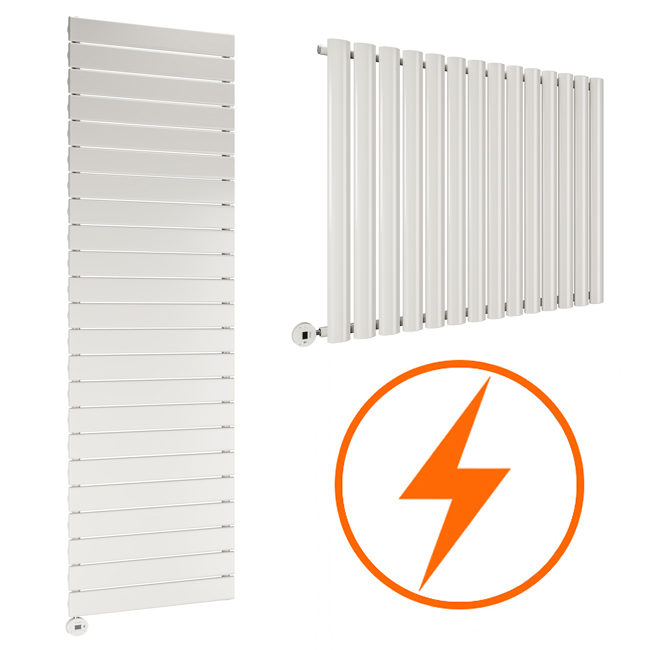
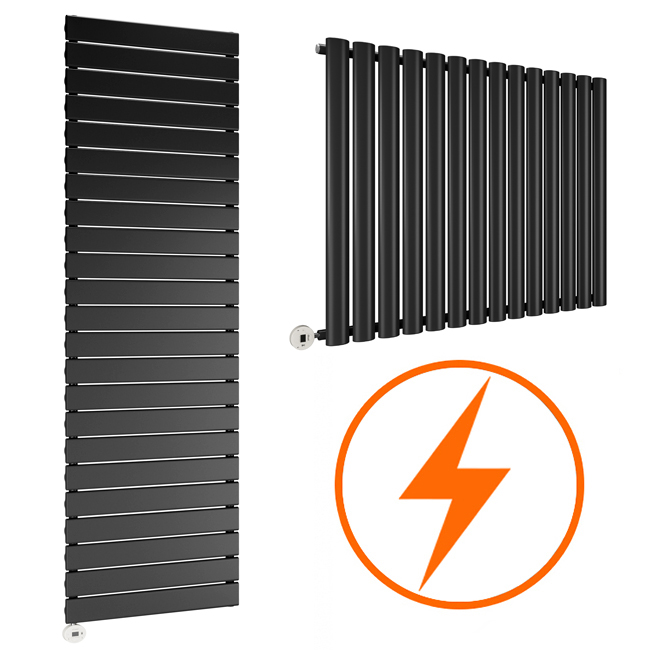
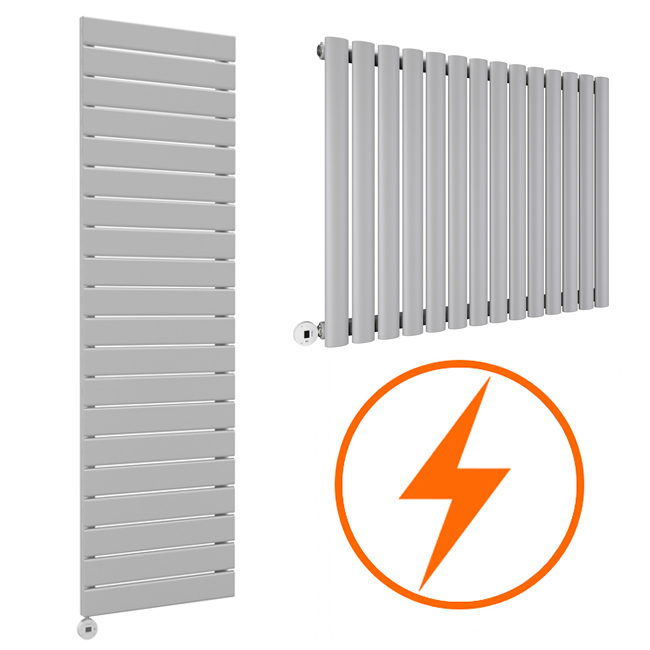
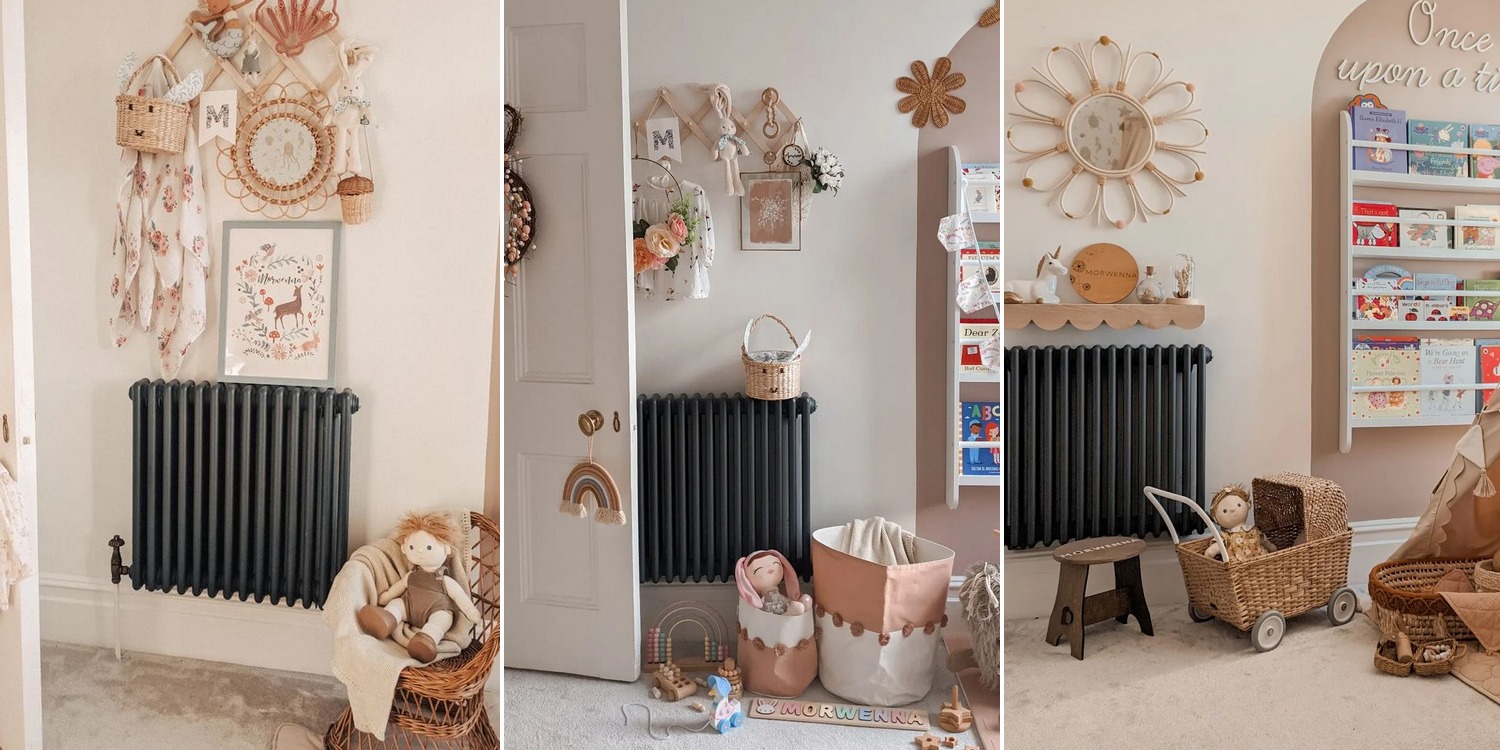
Finally, placement isn’t only about physics. A radiator is a visual object on the wall. The right height, proportion and alignment can make it disappear or make it a feature. That’s where designer radiators can earn their keep, not because they heat better by default, but because they let you solve layout problems and still land on something that looks deliberate.
Controls and false readings
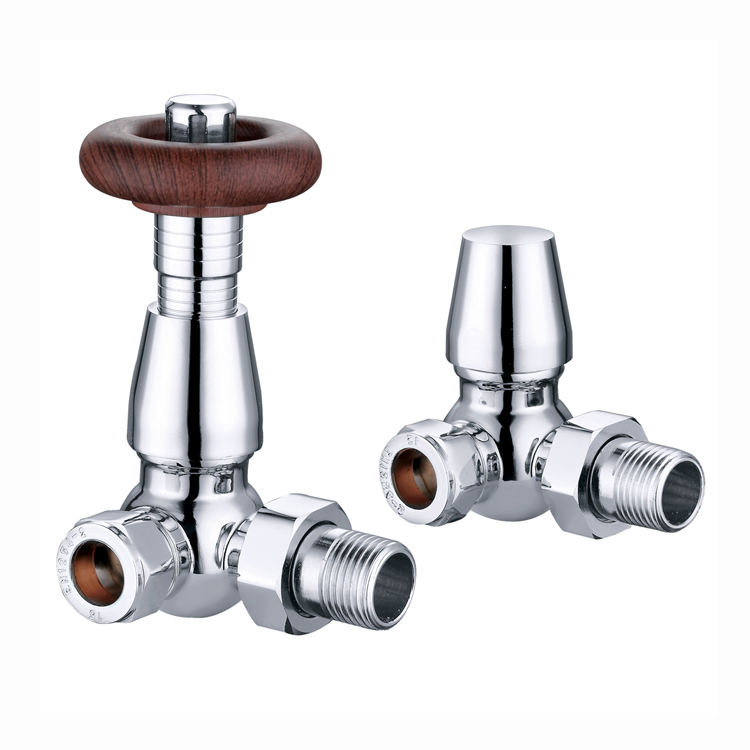
Before we go room by room, one practical point that often gets missed: room thermostats and thermostatic radiator valves (TRVs) react to the temperature where they sit, not the average temperature of the room. A TRV tucked behind a curtain, blasted by sunlight or boxed in by furniture can misread the room and shut down early (or keep calling for heat unnecessarily). We also recommend that TRVs should not be fitted in the same room as the main room thermostat, because the controls can interfere with each other and create inaccurate regulation.
Good placement supports good control and good control is where a lot of real-world energy savings come from.
Living room radiator placement
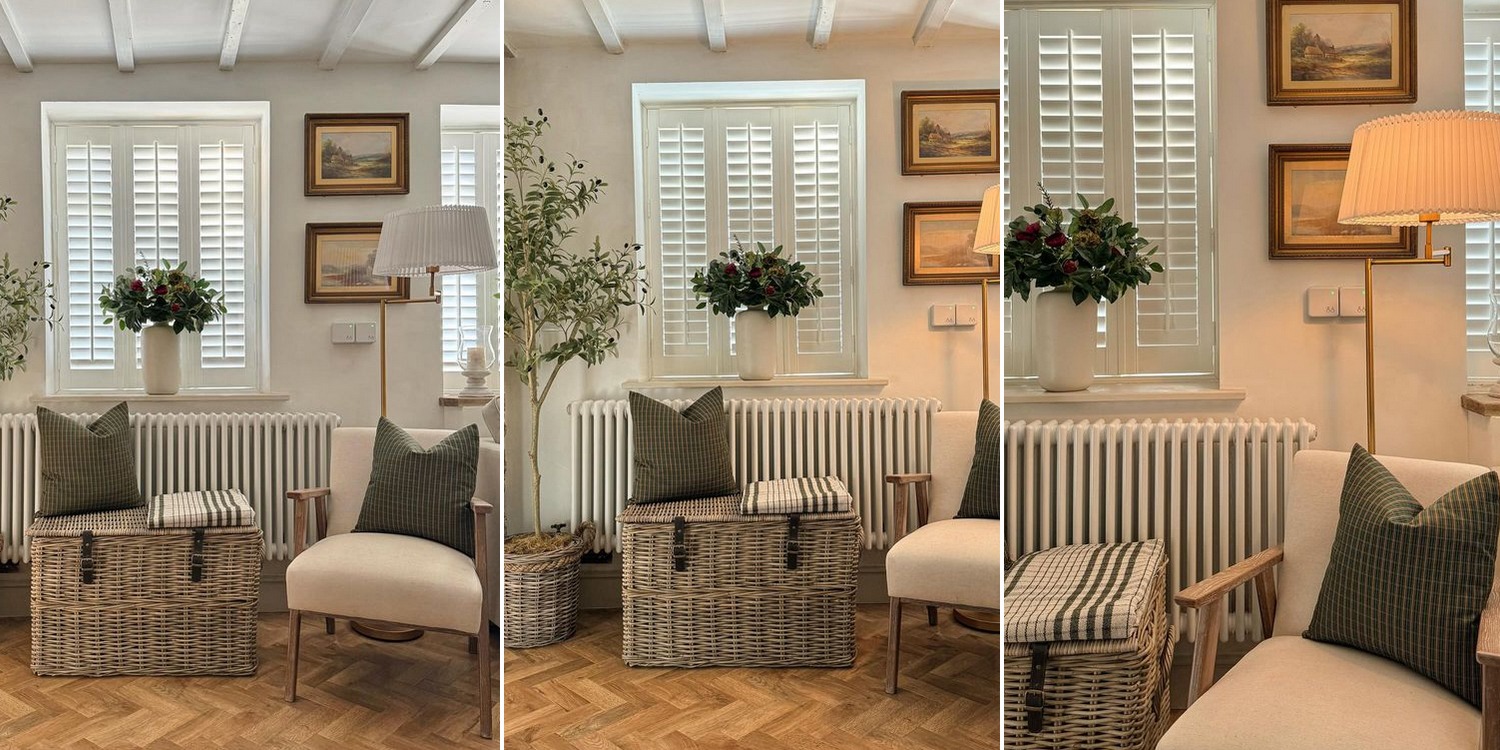
Aim for even comfort, not just heating near the seating!
In most living rooms, the best position is still typically on the external wall or beneath the main window, especially in older homes where glazing, vents and exposed walls can create cold zones. This helps neutralise downdraughts and keeps that cold edge of the room from creeping towards the centre.
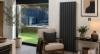
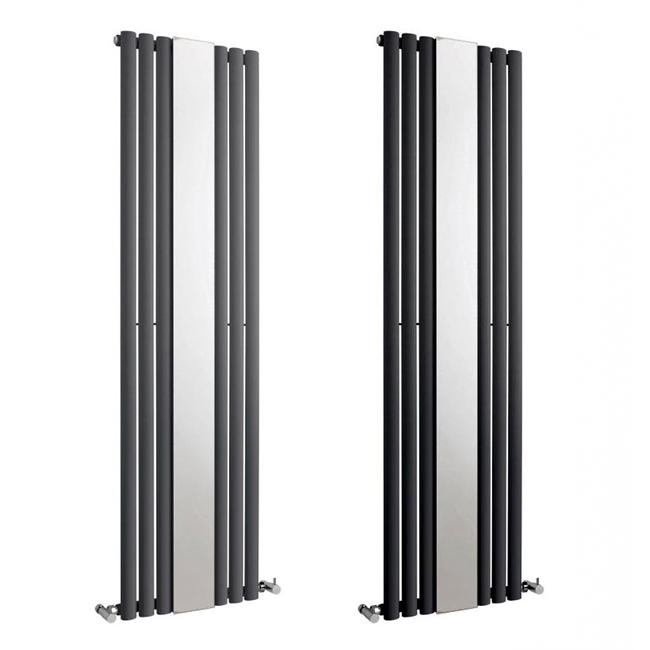
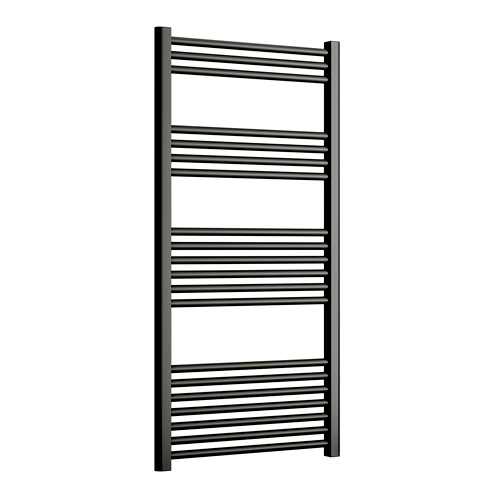
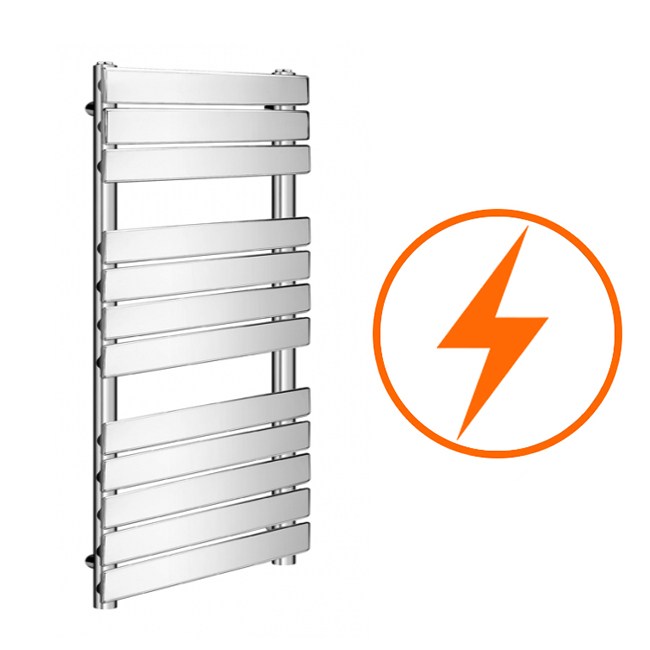
Where people go wrong is placing the radiator behind the largest sofa because it’s the only long stretch of wall available. A radiator hidden behind a deep-backed couch is forced to heat the back of the furniture first, which slows circulation and makes the room feel oddly uneven. If the layout demands that the sofa sits on the external wall, consider shifting the radiator to another cold surface (like beside the window) or using a taller, narrower wall radiator such as a vertical designer radiator that can sit between features without being blocked.
Traditional radiators vs designer radiators in living spaces
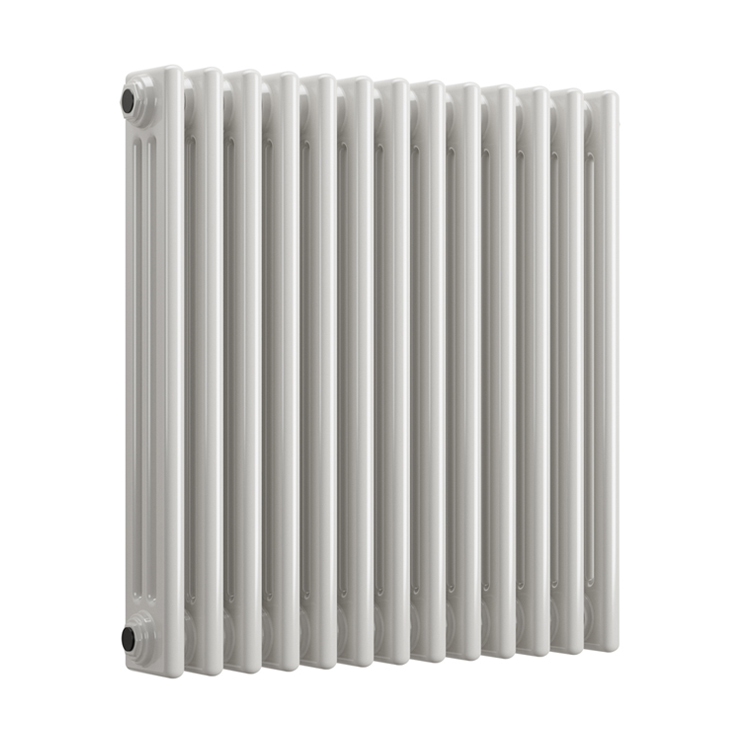
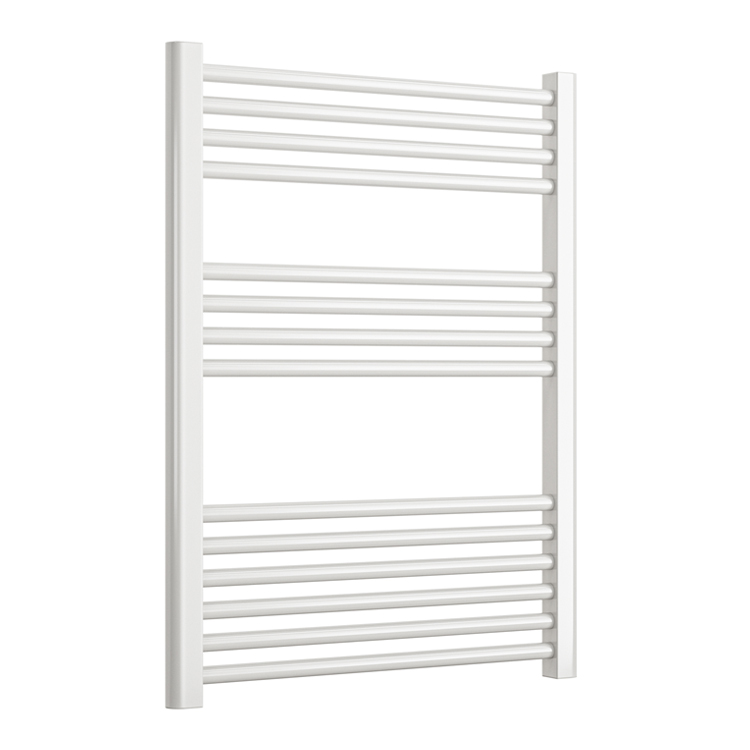
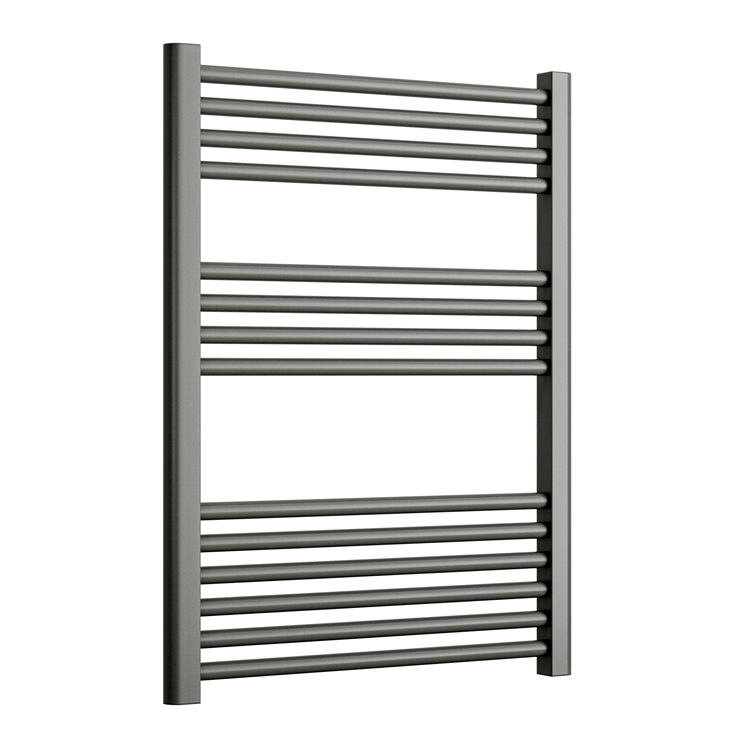
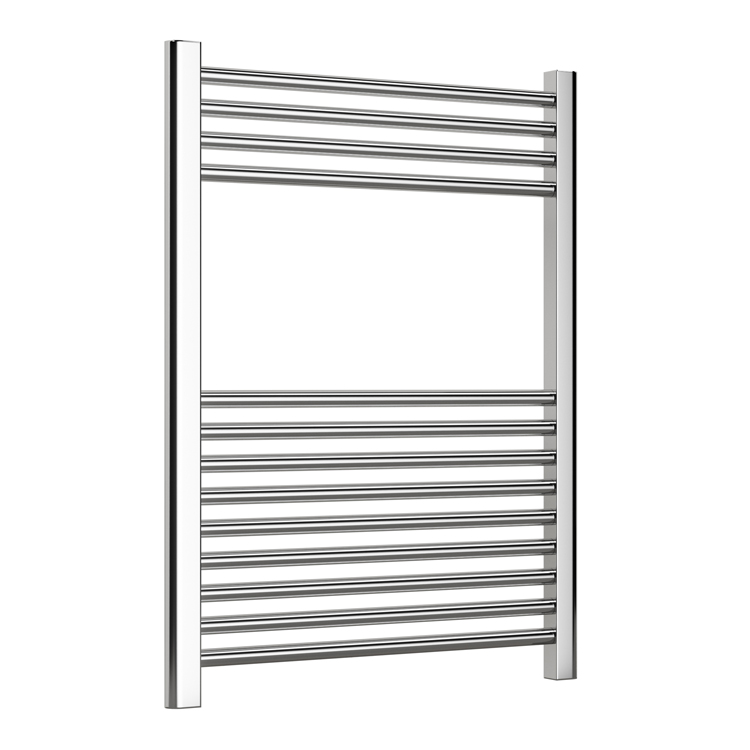
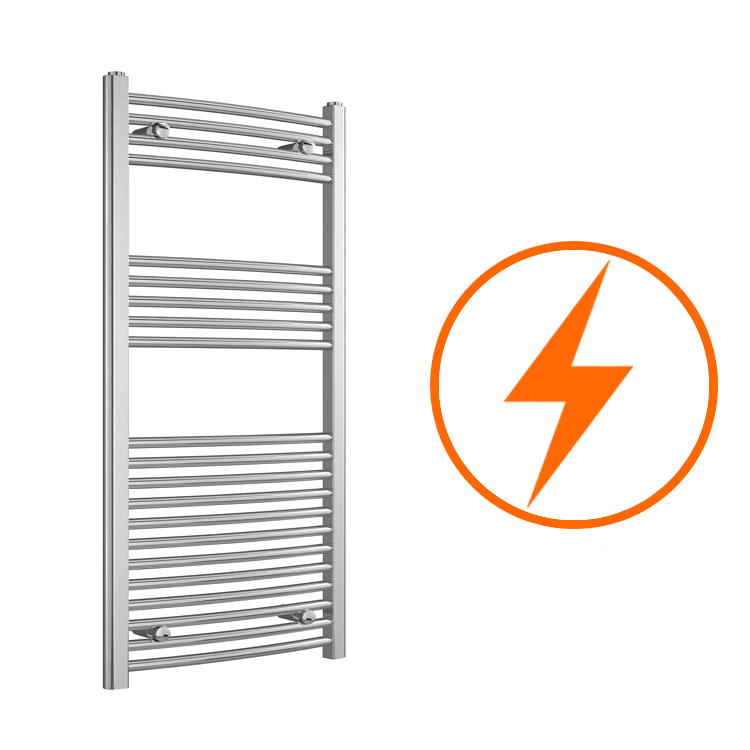
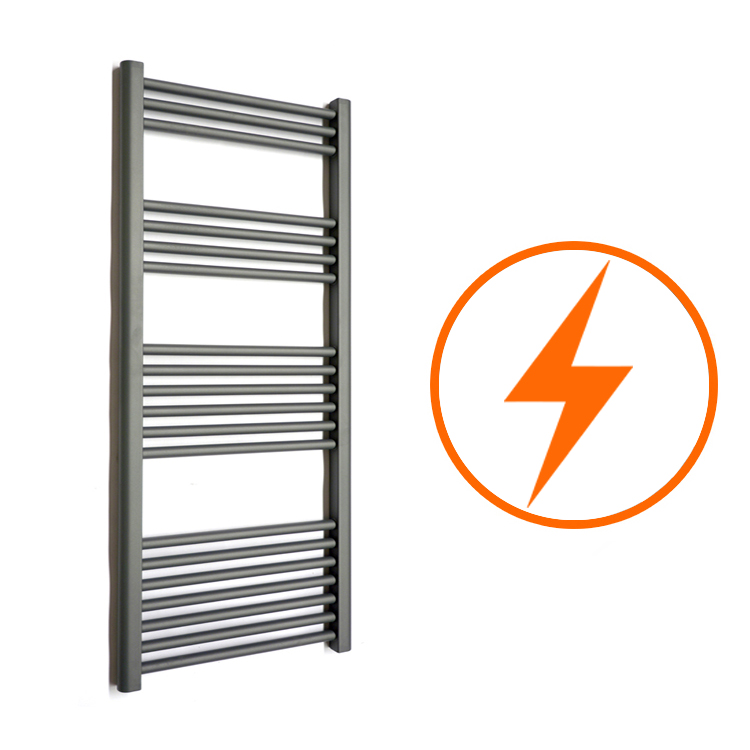
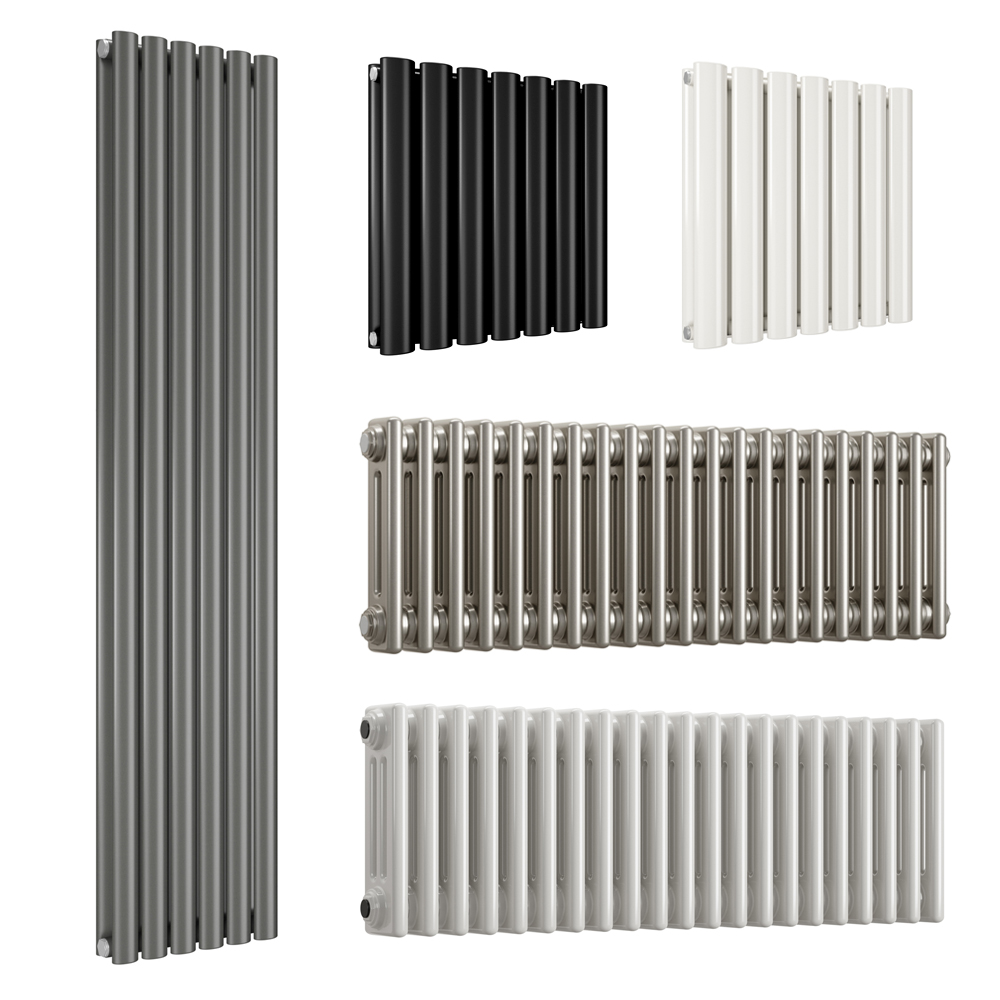
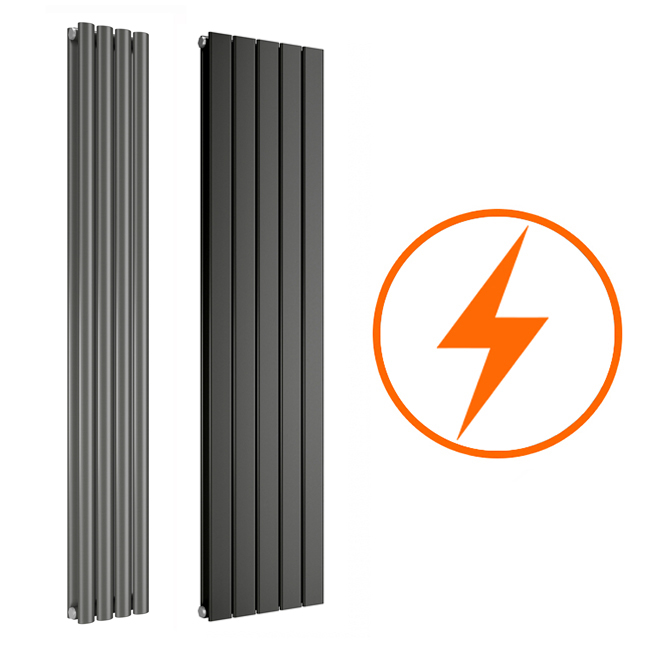
Traditional radiators are often wide and low, which makes them practical under windows, especially where sill height allows. Designer radiators shine in living rooms when wall space is broken up by doors, glazing, alcoves or media units. A slim vertical panel can work on an external return wall where a wide unit won’t fit, while still delivering strong heat where it’s needed.
If your living room includes an open fire or a sunny south-facing bay, avoid placing the primary room thermostat or the radiator’s sensing control too close to that heat source or the system may cut out before the rest of the space is comfortable.
Bedroom radiator placement
Bedrooms generally don’t need the same quick “boost” as a living room, so prioritise steady background warmth. Comfort here is about avoiding cold spots and keeping the room stable without overheating overnight.
Under-window placement still works well because it gently warms the coldest surface and discourages condensation on glass in winter. That said, bedrooms often have furniture constraints: wardrobes, bed heads and dressing tables. The key is to avoid putting the radiator where the airflow is trapped by tall furniture, because you’ll feel the chill in the middle of the room even if the corner by the radiator is warm.
What about behind the bed?
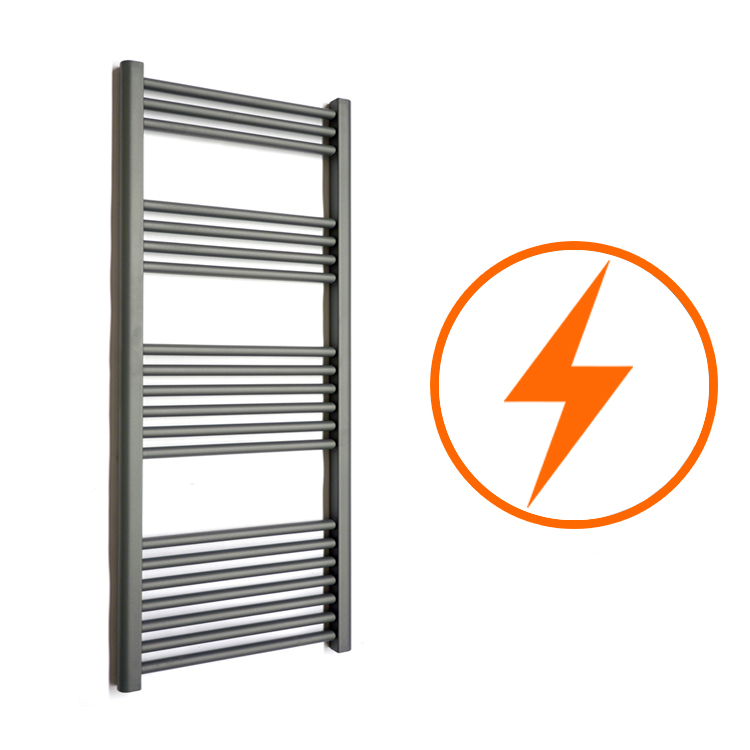
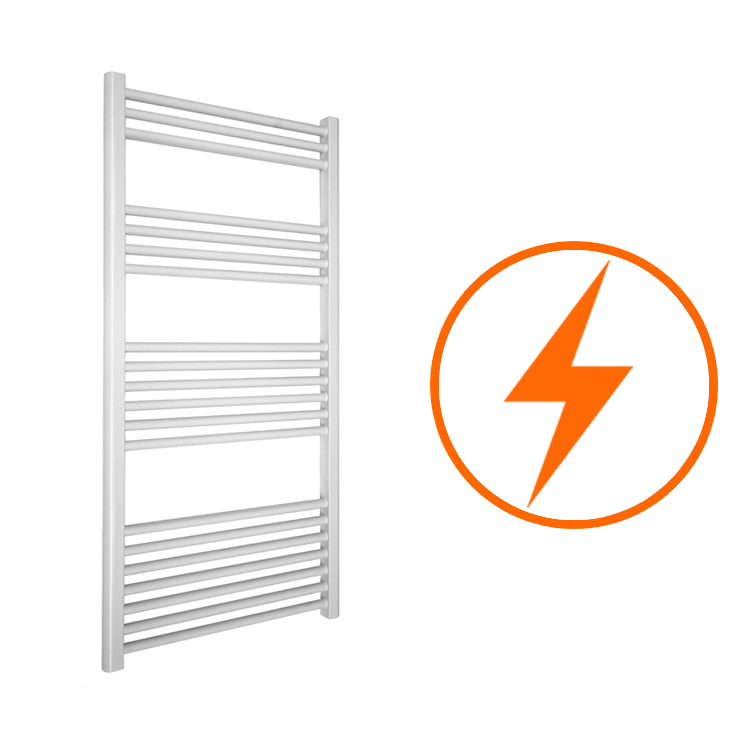
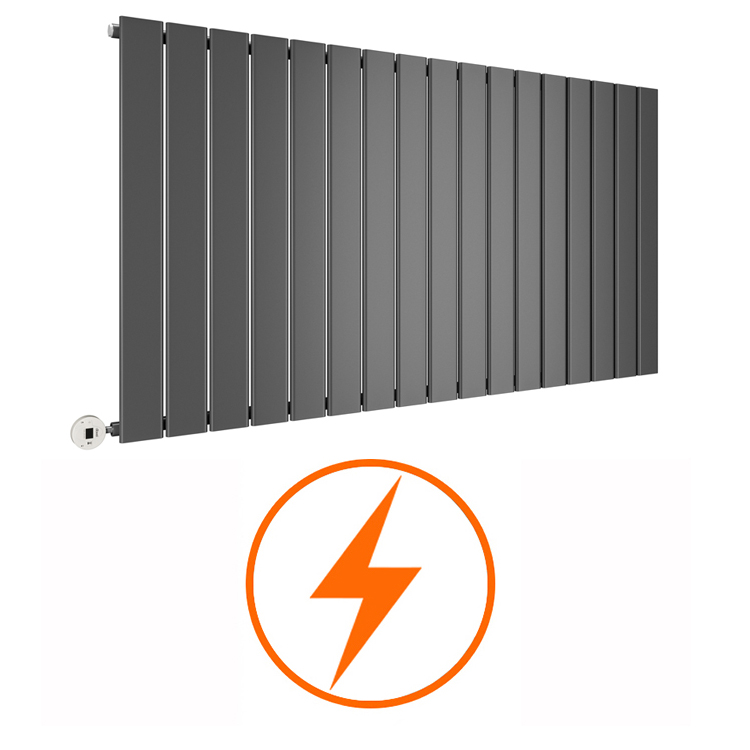
A radiator behind the bed can work if there’s genuine clearance and the bed isn’t boxed tight to the wall, but it’s rarely ideal. The bed becomes a heat sponge and you lose circulation. If the only free wall is behind the headboard, a vertical radiator on a nearby external wall is often a better compromise. If pipework makes that difficult, electric radiators can be a useful option in bedroom refurbishments because they’re independent of the central heating layout and can be controlled room by room, particularly in home office/guest room hybrids.
Kitchen radiator placement
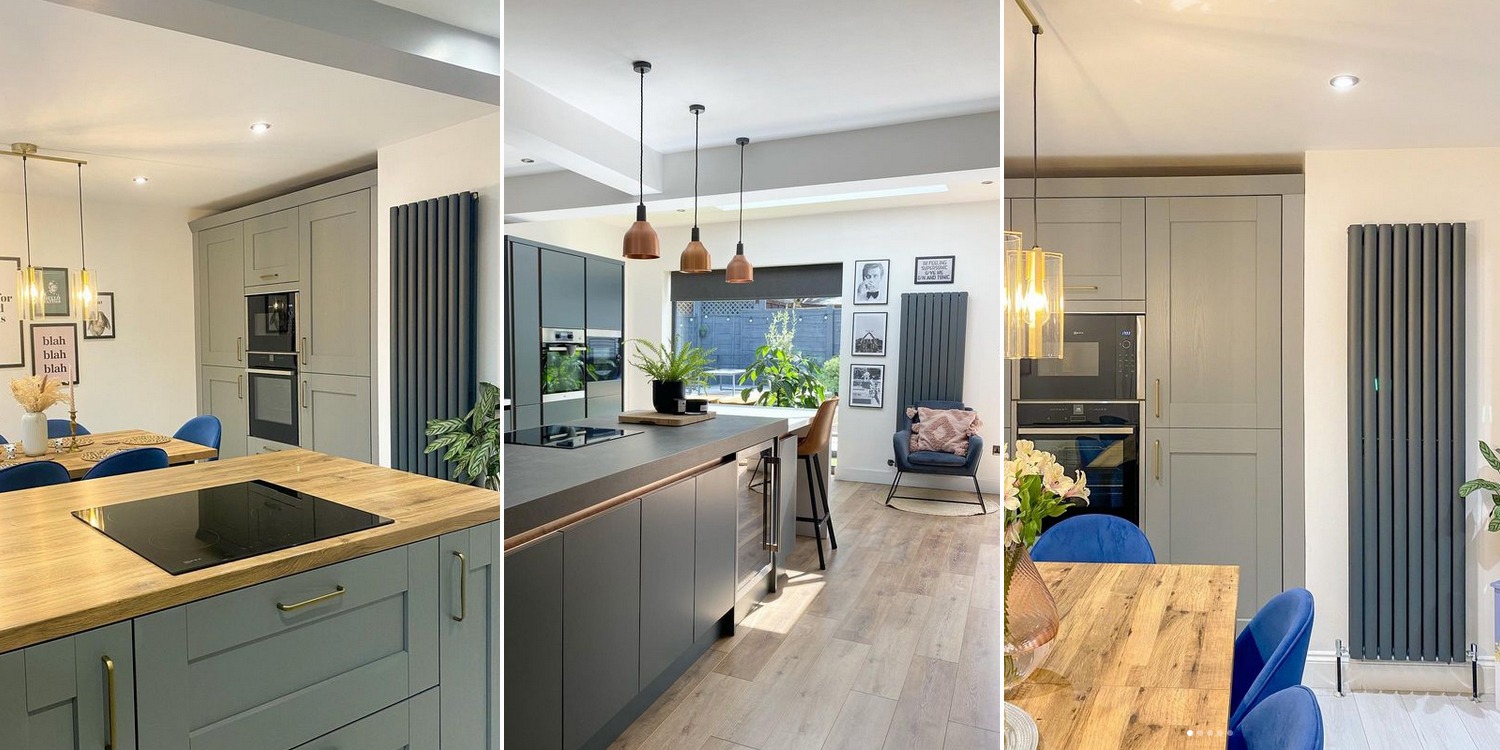
Kitchens heat differently because the room makes its own warmth. Ovens, hobs, dishwashers and fridges all affect temperature. That’s why the coldest wall approach is helpful: you’re trying to balance the room, not add heat where it’s already being generated.
Avoid placing a radiator directly beside the oven or in the tight space behind a kitchen door where it’s constantly blocked. The most reliable spots are often the external wall under a window (if not taken by the sink) or a clear run of wall away from cooking zones where air can circulate freely.
When underfloor heating is the better fit
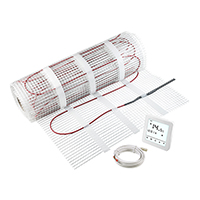
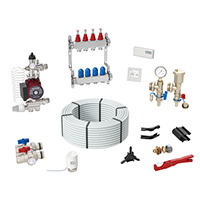
If you’re doing a full kitchen renovation, underfloor heating is often the best solution because it frees up walls for cabinets and creates a gentle, even warmth underfoot, particularly appealing in tiled spaces. In that scenario, a radiator may still be useful as a secondary heat source in a large open-plan kitchen-diner, but many households find that properly designed underfloor heating handles comfort with less visual clutter.
Bathroom radiator placement
Bathrooms are in a category of their own because you’re balancing comfort with drying towels.
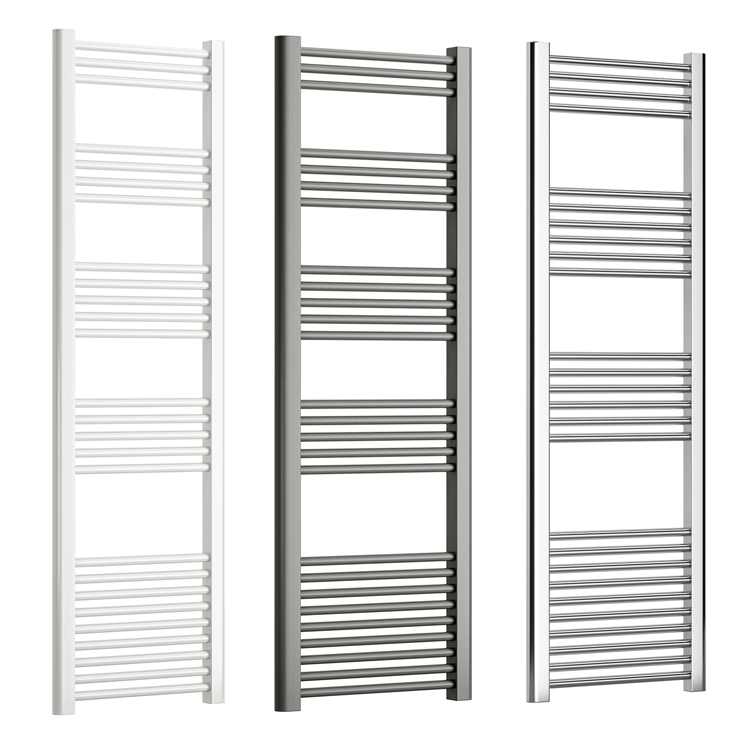
Most bathroom radiators are towel rails and the best position is usually a wall that lets you reach it easily from the bath or shower without it being constantly soaked. Near the shower can be convenient, but you don’t want it in a spot where towels stay damp because the rail is permanently wet from spray. You also want enough space to hang towels fully open; a rail squeezed into a narrow gap might not dry as well.
Don’t forget ventilation
Even perfectly placed bathroom radiators can’t overcome damp air on their own. Good ventilation reduces condensation, helps towels dry and makes the space feel warmer at a lower thermostat setting because the air is less clammy.
Hallways, landings, and stairs
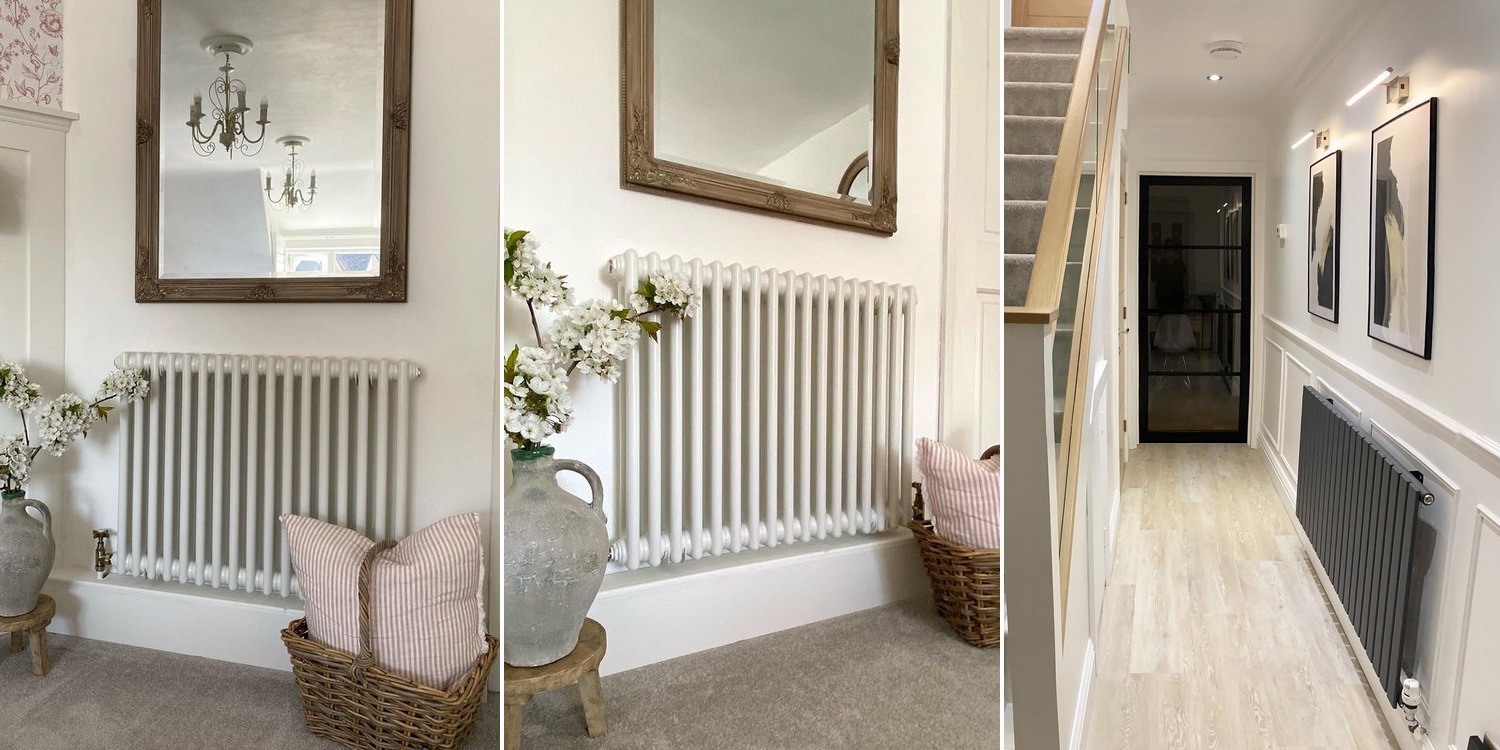
Hallways are deceptively tricky: they can often be narrow, draught-prone and full of doors opening and closing. They also act like a chimney in many homes – warm air rises up the stairs and disappears to the landing, while the front hall stays cool.
The best position is usually on an external wall near the coldest part of the space (often the front door area), but not where coats and shoes will block it. If wall space is limited, vertical designer radiators are particularly effective because they deliver good output without encroaching on the walkway. A radiator in the hall can also support the rest of the home by reducing the cold sink that pulls heat from adjacent rooms.
If you have an open stairwell and the landing is consistently cooler, it can be worth treating the landing as its own zone in larger homes so that upstairs bedrooms aren’t warmed unnecessarily just to take the edge off the circulation space.
Dining rooms and open-plan spaces
In open-plan layouts, large spaces often have multiple cold surfaces, such as glazing, patio doors, and exposed external walls, so placing a single radiator on an internal wall can leave the room edges feeling cool.
In these spaces, wall radiators often work best when they’re positioned to counteract the coldest glazing, which might mean a wide, low traditional radiator under a window or a pair of slimmer radiators in different zones to balance the space. Designer radiators can also act as visual anchors (on a dining room wall, for example).
If you’re using underfloor heating in an open-plan extension, radiator placement becomes more about response time and zoning. Underfloor heating is steady and comfortable, but it’s slower to react than radiators. Some households like a small radiator or electric radiator in a seating nook for quick warmth on a cold evening, while relying on the floor for background comfort.
Home offices, box rooms and converted spaces
Modern homes increasingly have repurposed rooms: a box room office, an attic conversion, a garage conversion or a garden room. These spaces often have awkward wall shapes and different insulation standards than the rest of the house, so radiator placement needs to match how the room actually loses heat.
In a small office, avoid placing the radiator so it blows heat directly onto your legs under a desk, as it can feel uncomfortable and lead you to turn the system down even when the room is cold. Under a window can work well, but a vertical radiator on a side wall often keeps the workspace clearer.
For attic conversions, knee walls and sloped ceilings can limit where a radiator can physically go. A compact radiator on a gable wall is common, but it needs clear airflow and correct sizing because loft rooms can cool quickly if insulation and airtightness aren’t excellent. In some conversions, electric radiators are chosen because extending pipework is disruptive; they also make zoning simple if the space isn’t used every day.
Utility rooms, porches and in-between spaces
These rooms are often treated as afterthoughts, then become the draughty part of the house you avoid in winter. If you want them to be genuinely usable, radiator placement should focus on the coldest surface and the areas where dampness builds up – especially in utility rooms with outdoor access.
A small radiator on the external wall can make a big difference, but only if it isn’t immediately blocked by storage, hanging coats or stacked laundry baskets. If the room is mostly for quick in-and-out use, electric radiators can be a practical choice because they can be timed precisely and don’t require the full heating system to run for a short burst of warmth.
Common radiator placement mistakes that cost comfort
The biggest mistake is treating radiators like furniture you can tuck away, rather than heat emitters that need airflow. Boxing in a radiator, hiding it behind a sofa or covering it with long curtains can all reduce effective heat delivery and make the room feel inconsistent.
Another common issue is putting the radiator where it suits the pipework rather than the room. Sometimes you inherit this in older homes: a radiator on an internal wall that leaves the window wall icy or a unit squeezed beside a doorway that never gets proper circulation. That’s where a change of radiator style, switching from a wide traditional radiator to a taller designer radiator, for example, can let you move the heat to a better position without sacrificing usable wall space.
Finally, don’t ignore controls. Radiator placement and control strategy go hand in hand: zoning, TRVs and thermostat location all influence whether the system heats the house efficiently and comfortably.
A practical way to choose the ‘right wall’
When you’re deciding where to put a radiator, start by standing in the room on a cold day and noticing where it feels coolest: the window wall, the gable, the side nearest the door, the corner that never dries out. In many homes, that’s still the best place to introduce heat, because it prevents cold air from dominating the circulation pattern.
Then look at your layout honestly. If the best wall is blocked by furniture, ask whether the furniture can move or whether the radiator type can change. Wall radiators come in shapes that suit modern living – vertical, slimline and feature styles – so you’re not forced into a single under-the-window or nowhere decision. That flexibility is often the difference between a room that looks great and a room that feels great.
If you’re planning a renovation or heating upgrade and you want a second opinion on sizing and placement, our team is on hand to help, especially if you can share room dimensions, insulation level and how you use the space, so you end up with heating that performs properly, not just something that fits.