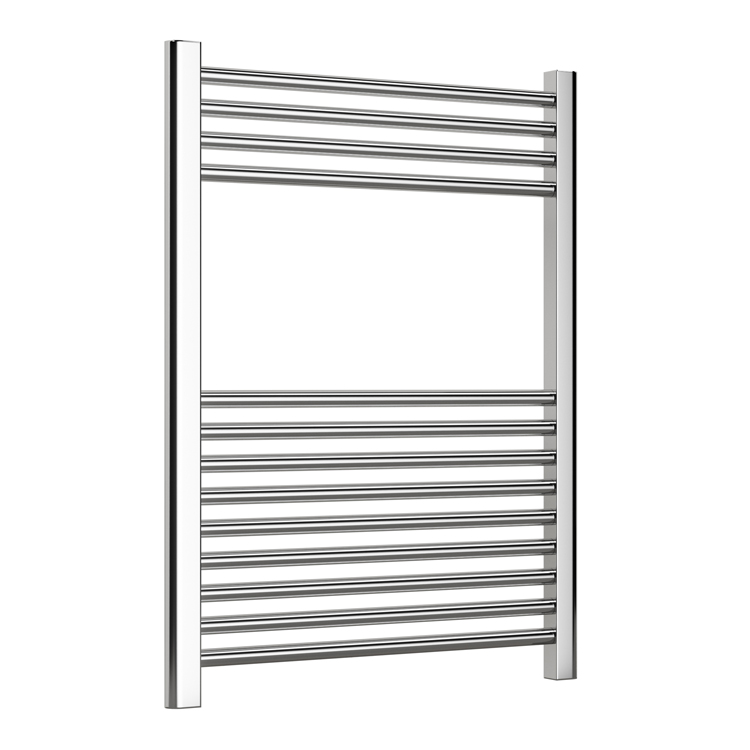
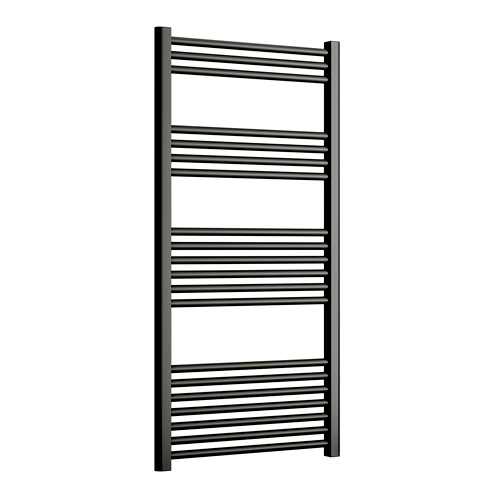
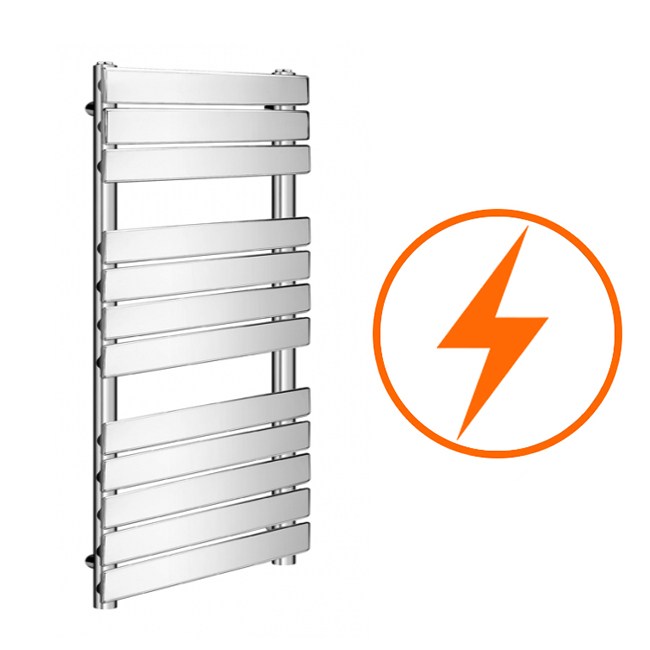
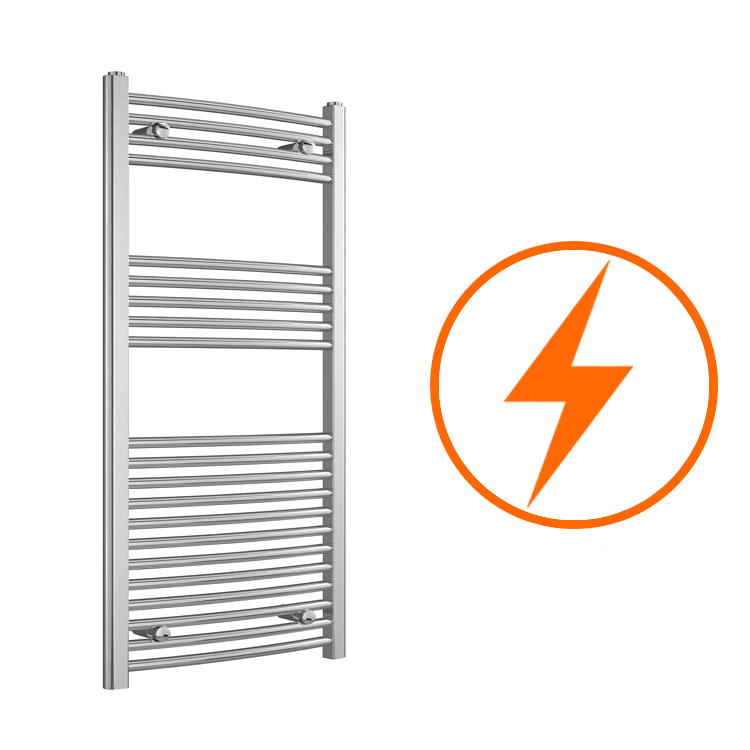
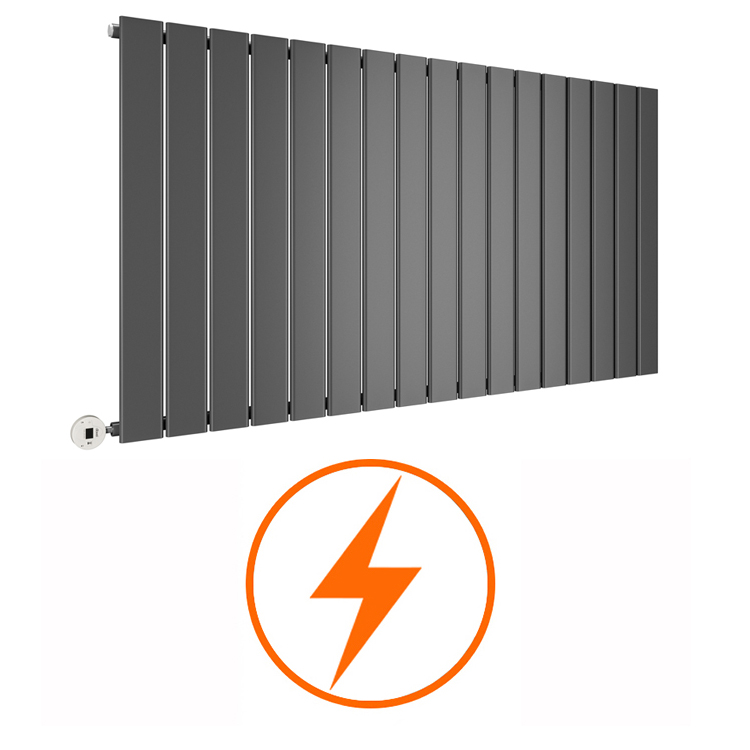
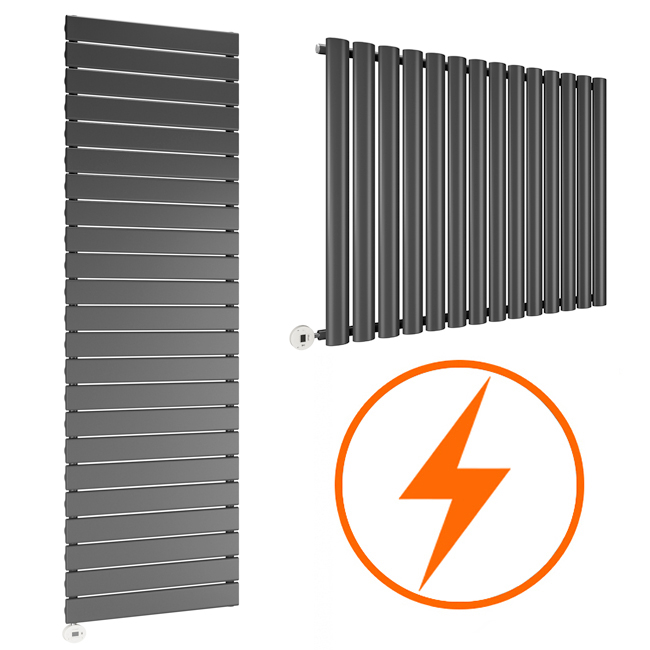
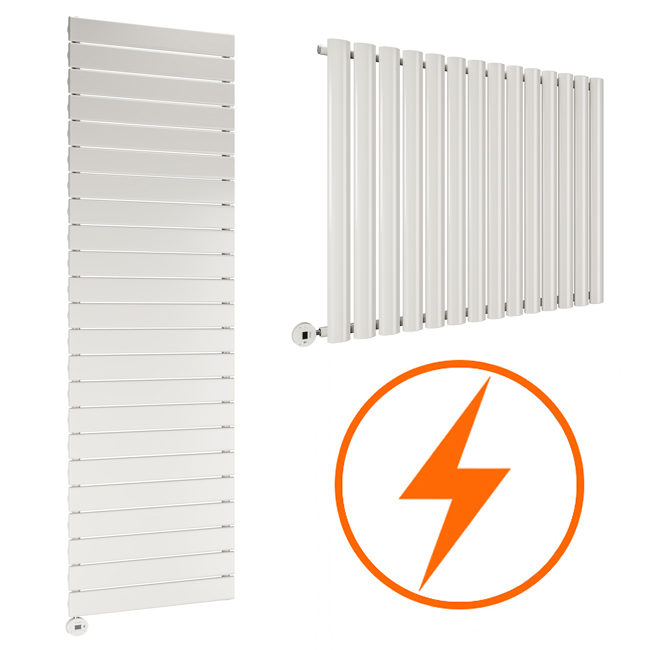
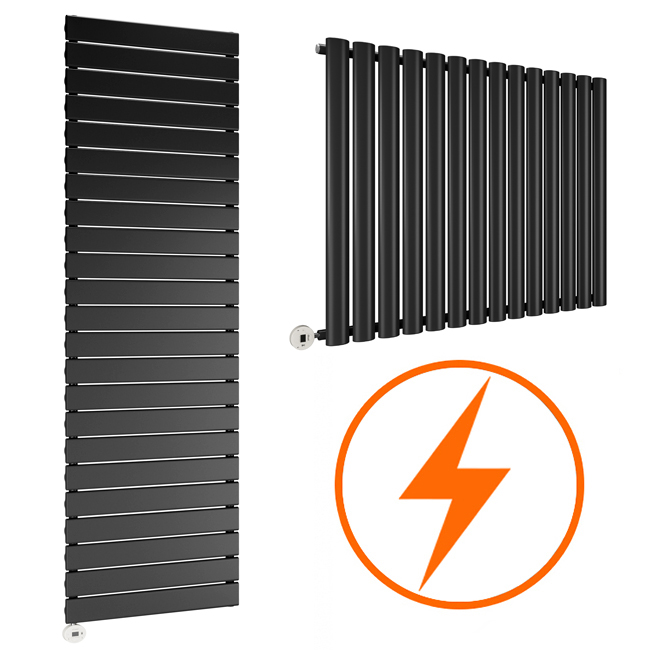

Open plan living has become one of the most popular ways to design a modern home, especially across kitchens, dining rooms and family living areas. It creates a brighter, more sociable space, gives you more flexibility and makes everyday life feel more connected. Heating that type of room properly, however, needs a little more thought than heating a standard bedroom or lounge.
Choosing the best radiators for open plan spaces is not simply about finding a style you like. Larger floor areas, fewer internal walls, high ceilings, wide openings, large windows and patio doors can all affect how warm the room feels. Heat can travel further, escape more easily and settle unevenly, leaving one area comfortable while another still feels cool.
The good news is that radiators can work extremely well in open-plan spaces when they are chosen carefully. With the right heat output, placement and style, they can provide reliable warmth while also complementing the overall look of your kitchen dining area, living area or newly renovated extension.
Why are open-plan spaces harder to heat?
Open-plan rooms are often more challenging to heat because they do not behave like standard, enclosed rooms. In a typical room, four walls help contain the warmth. In an open plan layout, heat has more space to move through, which means the central heating system has to work harder to bring the whole area up to a comfortable temperature.
This can be particularly noticeable in kitchen living rooms, where different zones are used in different ways. The kitchen area may already gain some heat from cooking, while the seating area may feel cooler because it is closer to patio doors or large windows. Dining spaces can also feel chilly if they sit beside an external wall or in a newly built extension with lots of glass.
High ceilings can add another challenge because warm air naturally rises. This means you may need a higher heat output than you would expect from the floor size alone. Large bifold doors, roof lights and full-height glazing can look beautiful, but they can also increase heat loss, especially during cold winters. This is why choosing radiators for open plan areas should always begin with the needs of the room, rather than style alone.
Are radiators good for open plan spaces?
Radiators are a very good choice for open plan spaces when they are correctly sized and positioned. They offer direct, responsive heat and can work as the main heat source in a living area, kitchen diner or extension. Unlike some heating options that take a long time to warm up, radiators can help bring a space to temperature more quickly, especially when connected to an efficient central heating system.
Modern radiators are also available in a wide range of shapes, sizes and finishes, which makes them suitable for both practical and design-led spaces. In an open-plan room, the radiator is often visible from several angles, so appearance matters. A well-chosen radiator can become part of the design rather than something you feel you need to hide. The key is to make sure the radiator is powerful enough for the space. A radiator that looks perfect but does not provide enough warmth will quickly become frustrating. Equally, a radiator that is too large for the room could make the space feel overheated and inefficient. The best result comes from balancing heat output, room layout and visual style.
How do I calculate the right heat output?

Before buying radiators for open plan spaces, it is important to calculate the heat output your room needs. This is usually measured in British Thermal Units (BTUs). In simple terms, BTU tells you how much heat a radiator can produce. The larger, colder or more exposed the space, the higher the BTU requirement is likely to be. Your BTU requirement will depend on several factors, including the size of the room, ceiling height, number of external walls, window size, insulation levels and whether the space includes patio doors or large areas of glazing. A compact kitchen diner in a well-insulated modern home will not need the same heat output as a large open plan extension with vaulted ceilings and bifold doors.
Calculating BTU before you buy helps you choose a radiator that is suited to the room, not just the wall space available. It can also help you decide whether one large radiator is enough or whether the room would be better served by two or more radiators placed in different zones. For open plan spaces, this is often the more comfortable option because it helps distribute warmth more evenly across the room.
How many radiators do I need for an open-plan room?
The number of radiators you need for an open-plan room depends on the size, shape and layout of the space. Some smaller open-plan kitchen-diners may only need one well-positioned radiator with the correct heat output. Larger living areas, L-shaped rooms or spaces with multiple zones may need two or more radiators to avoid cold spots. For example, if your open-plan space includes a kitchen, dining area and seating area, it may make sense to place one radiator near the lounge zone and another near the dining or external wall area. This can give a more balanced level of warmth than relying on one radiator at the far end of the room.
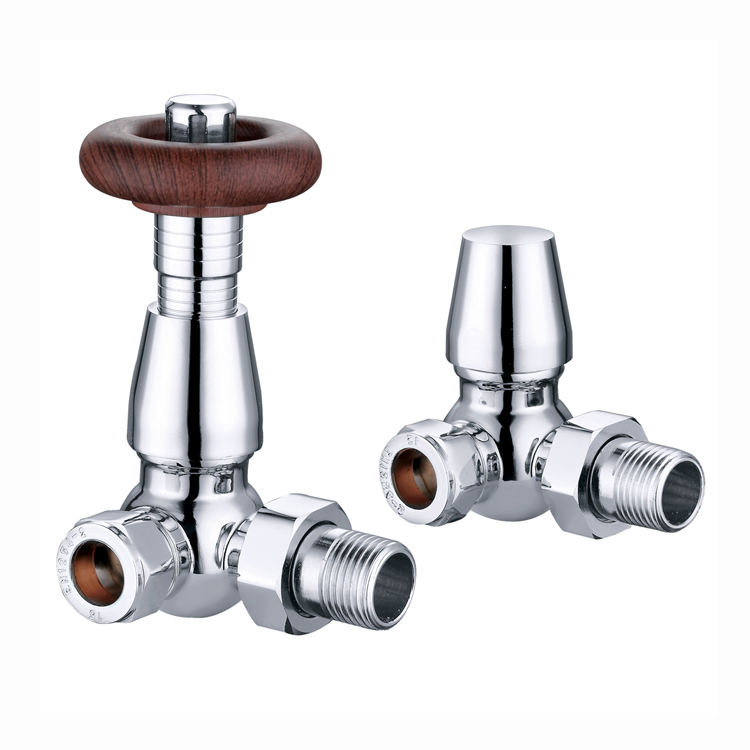
It is also worth thinking about how you use the room at different times of day. A dining zone may only be used in the evening, while a seating area might be used throughout the day. Radiator valves can help you control heat more effectively, especially where different radiators serve different areas of the same open plan layout.
Are designer radiators a good choice for open-plan interiors?

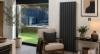
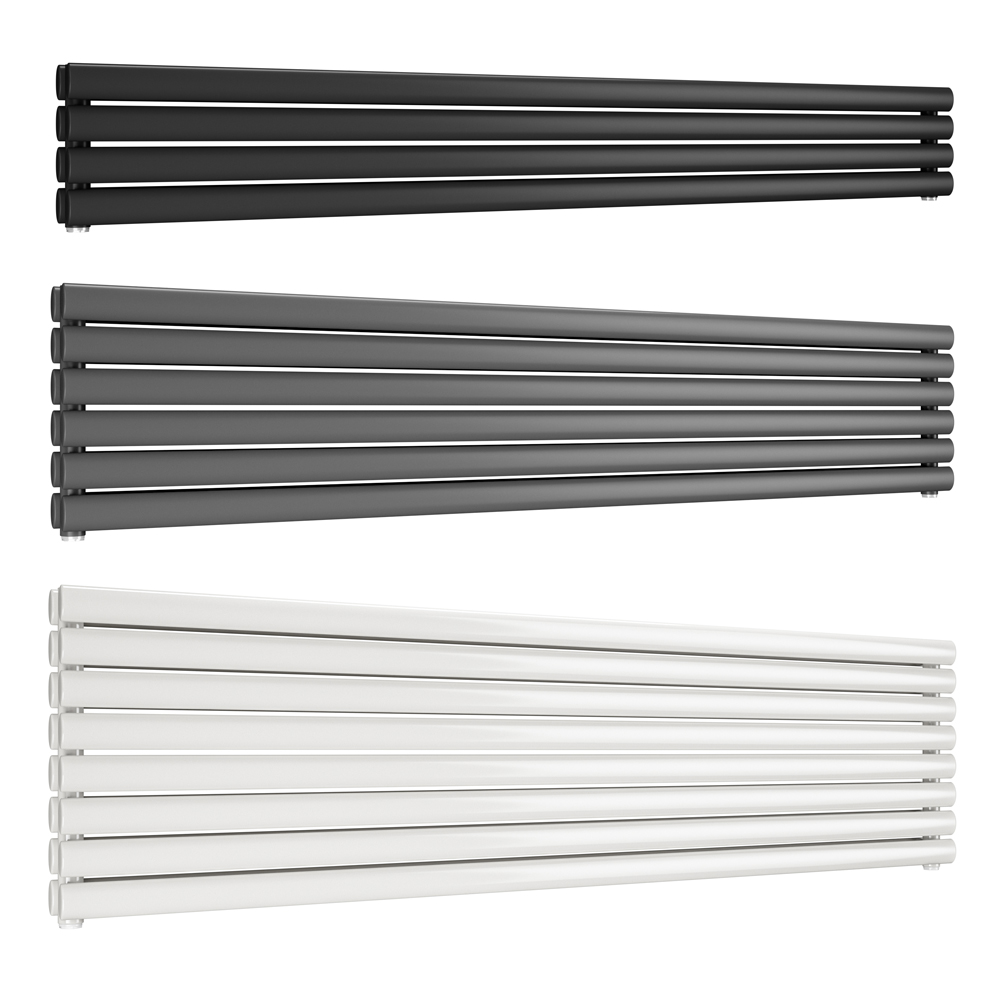
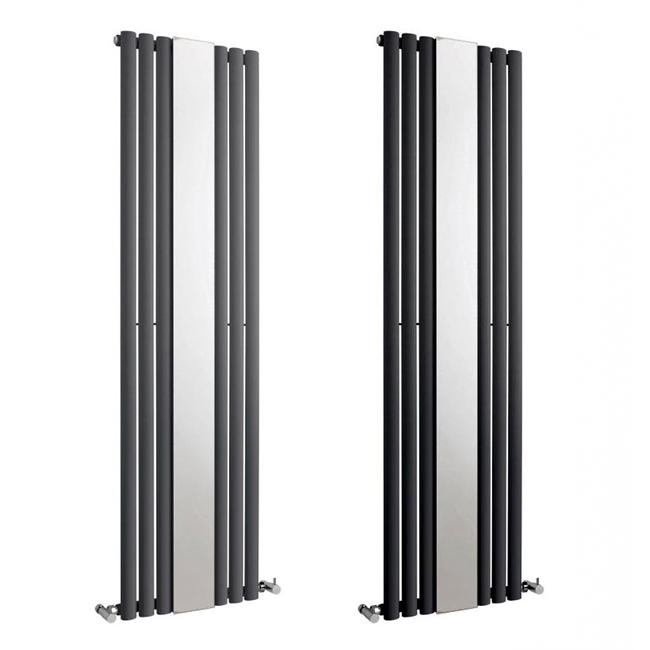
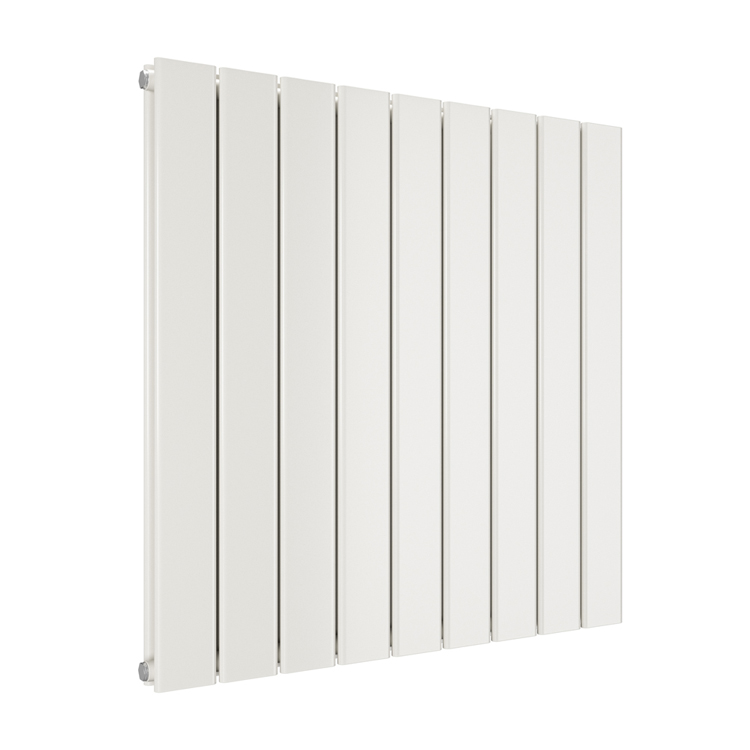
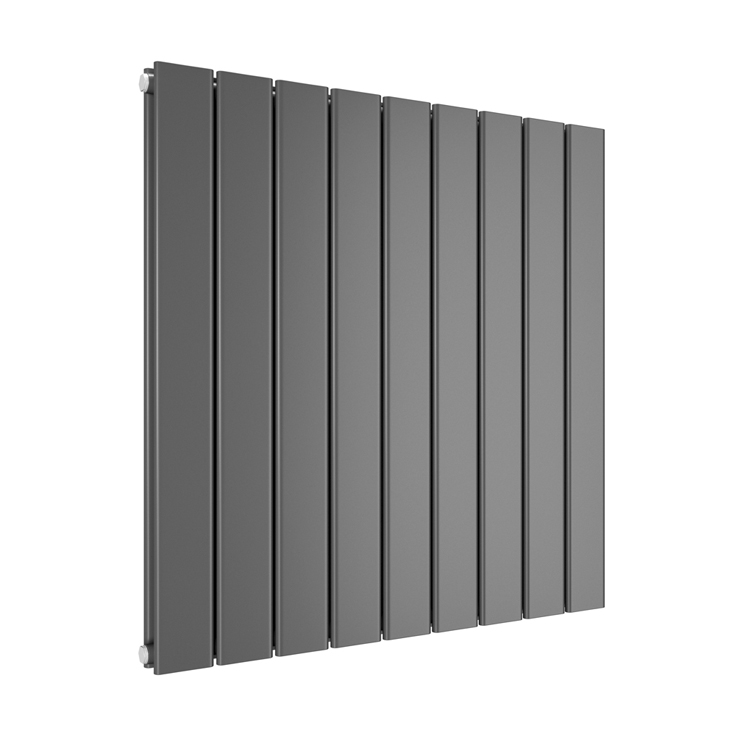
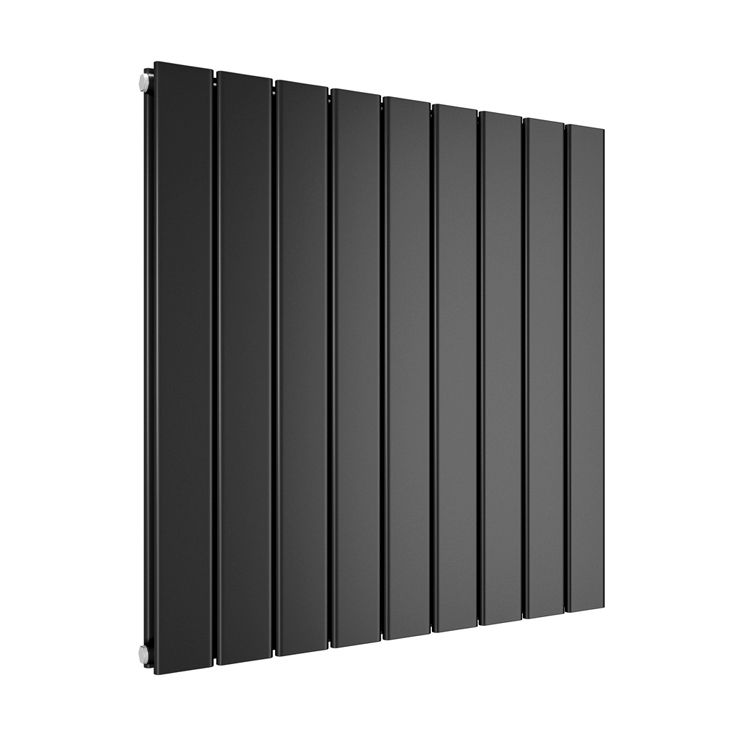
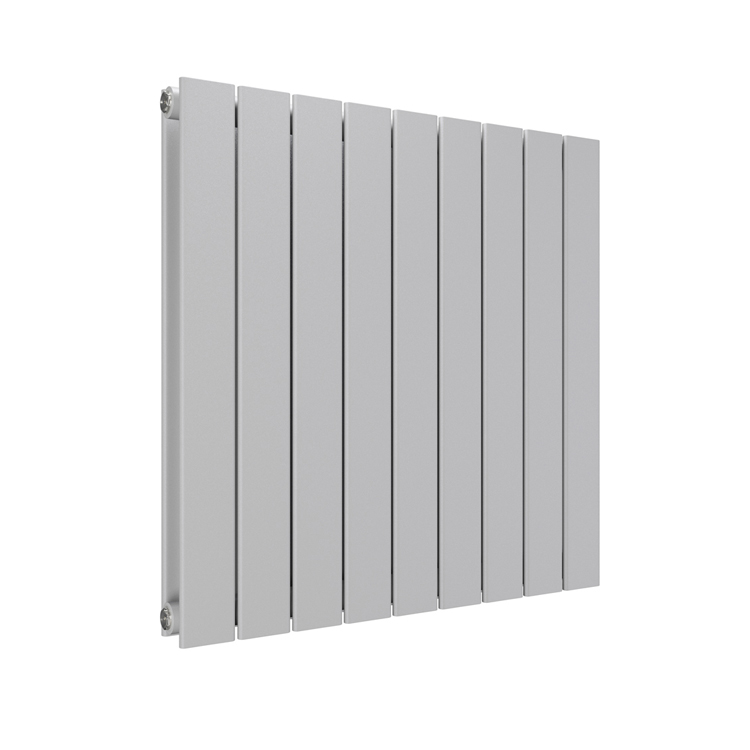
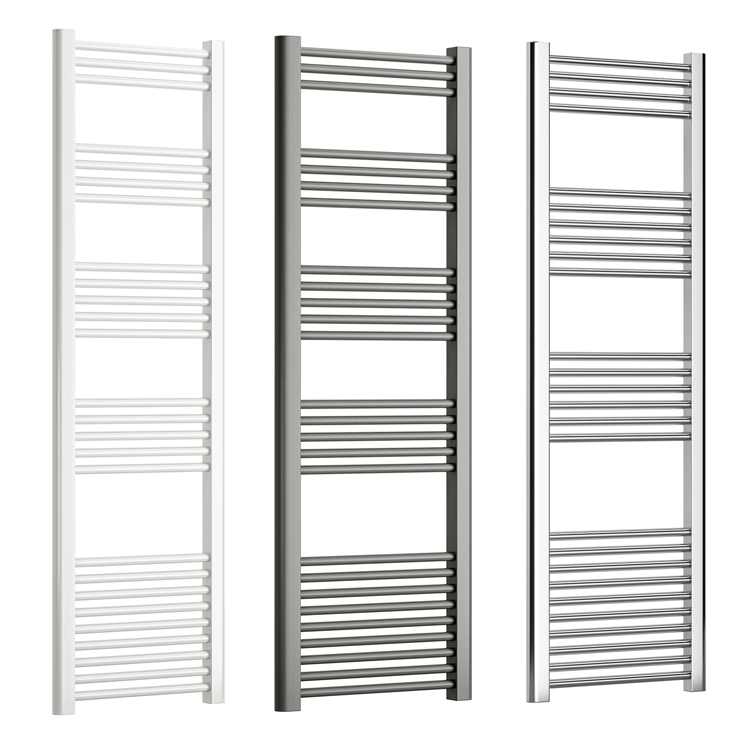
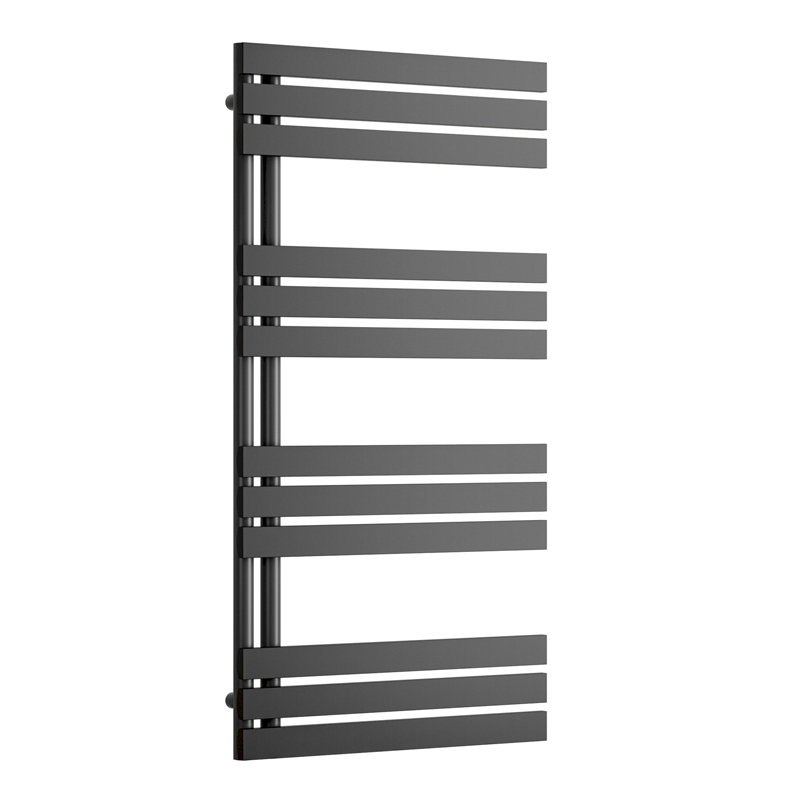
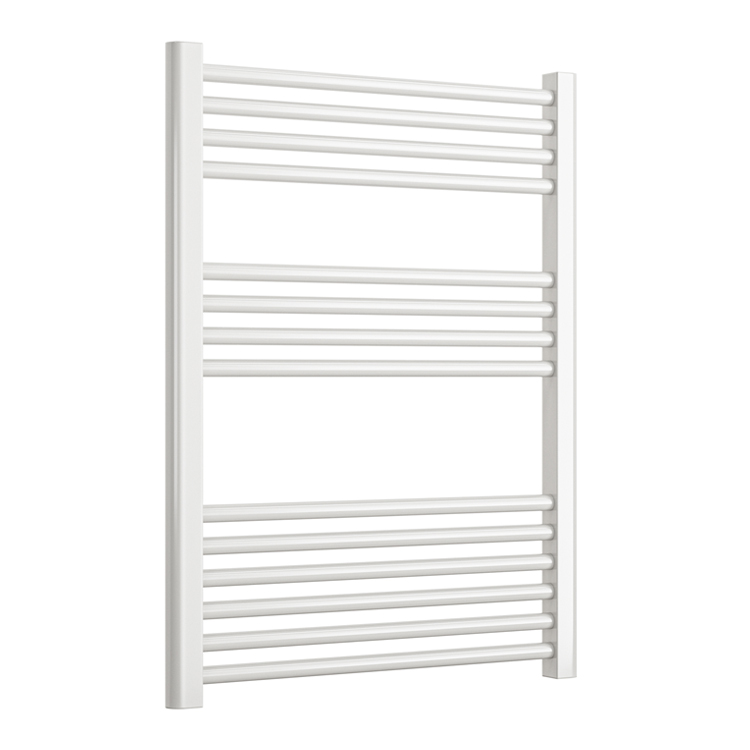
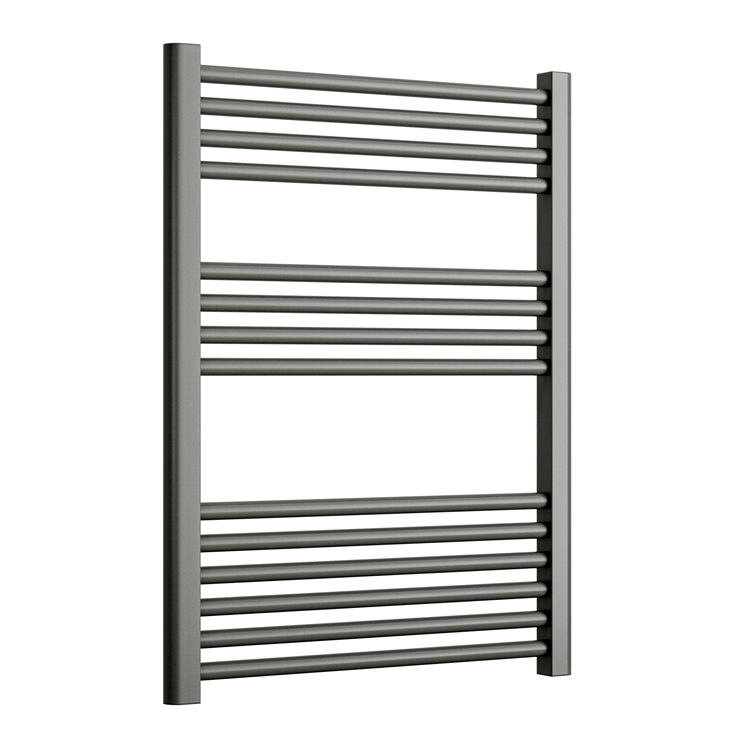
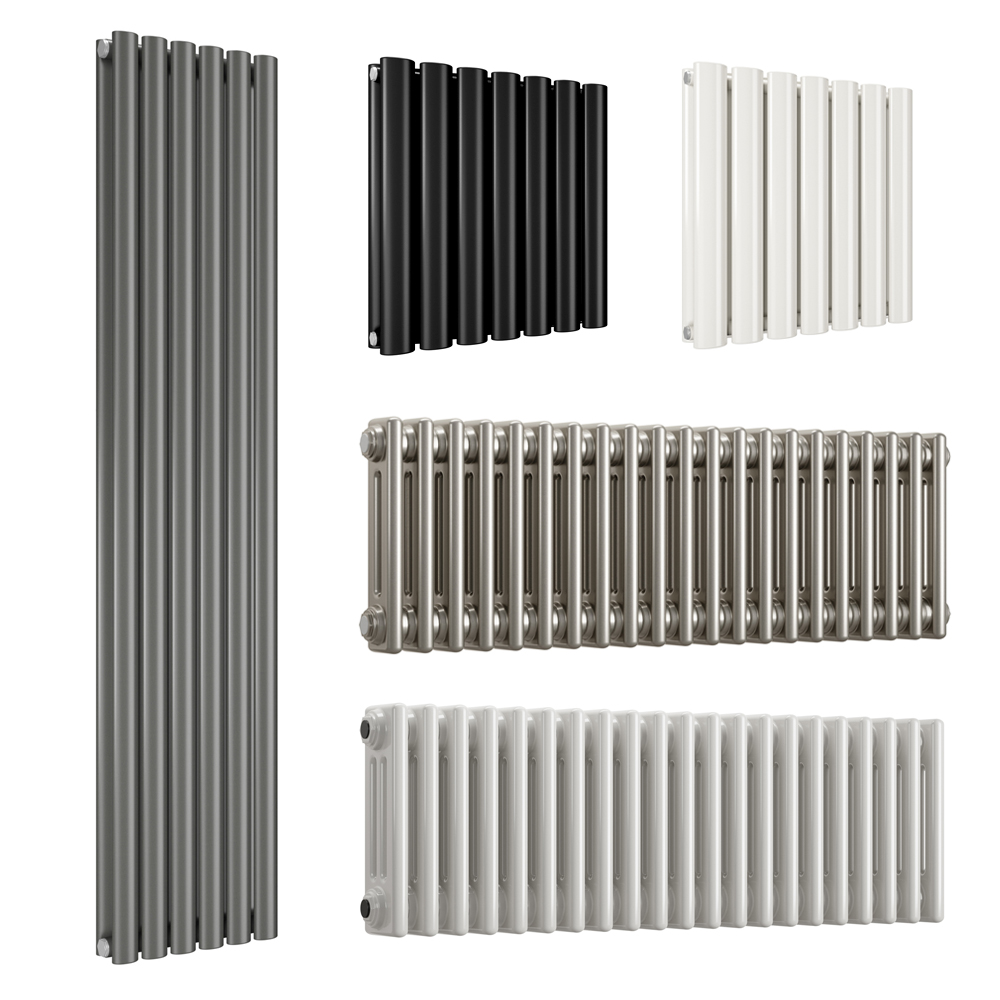
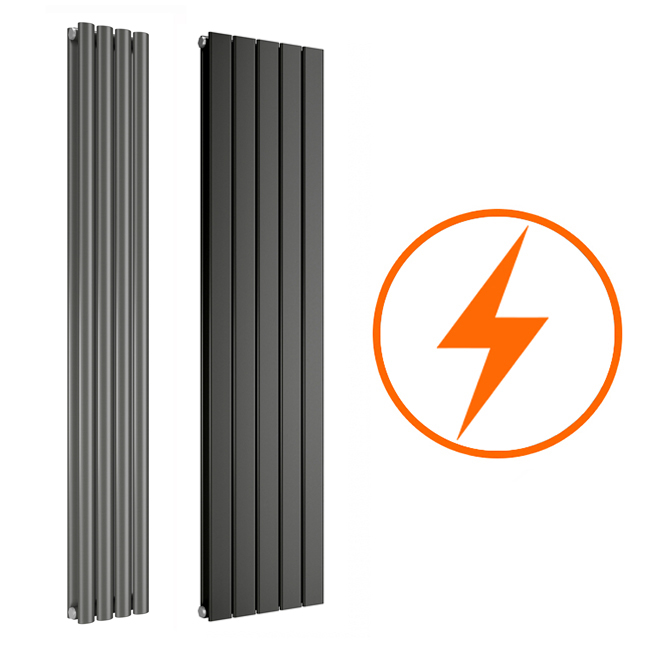
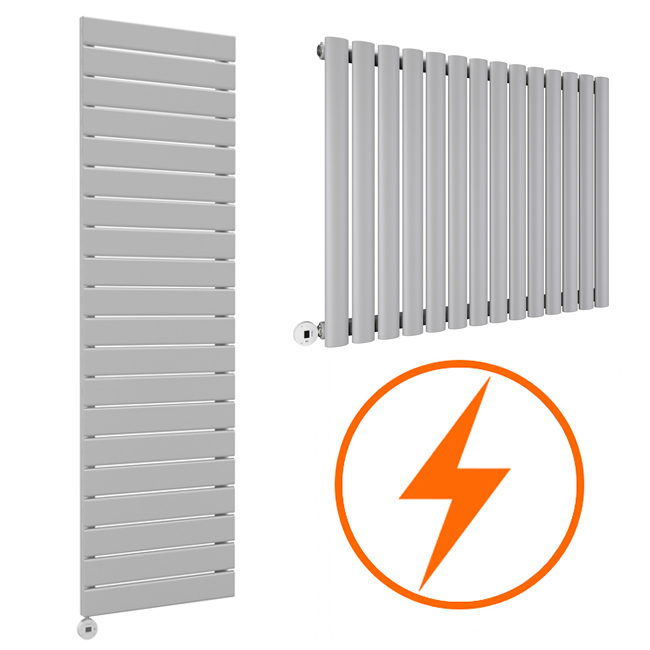
Designer radiators are often an excellent choice for open-plan interiors because they combine strong heat output with a more considered look. In a room where the kitchen, dining and living areas all flow together, every visible feature has an impact on the overall design. A plain radiator may do the job, but a designer radiator can add style as well as warmth. Designer radiators are particularly useful in modern kitchen and living rooms where clean lines, contemporary finishes and statement features matter. Anthracite, black, white and metallic finishes can all work beautifully depending on the surrounding décor. A tall vertical designer radiator can sit neatly on a narrow wall, while a horizontal designer radiator can work well beneath a window or along a longer wall.
The best designer radiators for open-plan rooms are those that suit both the heat requirement and the interior style. If the radiator is visible from the sofa, dining table or kitchen island, it is worth choosing something that feels intentional. This helps the radiator become part of the room rather than an afterthought.
When are traditional radiators the better option?
Traditional radiators can be a better choice for period homes, classic interiors or open plan spaces where a timeless finish feels more appropriate than a sleek contemporary design. Many Irish homes combine older architectural features with modern open-plan layouts, especially where a rear extension has been added to a traditional property. In these spaces, traditional radiators can help bridge the gap between old and new.
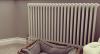
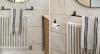
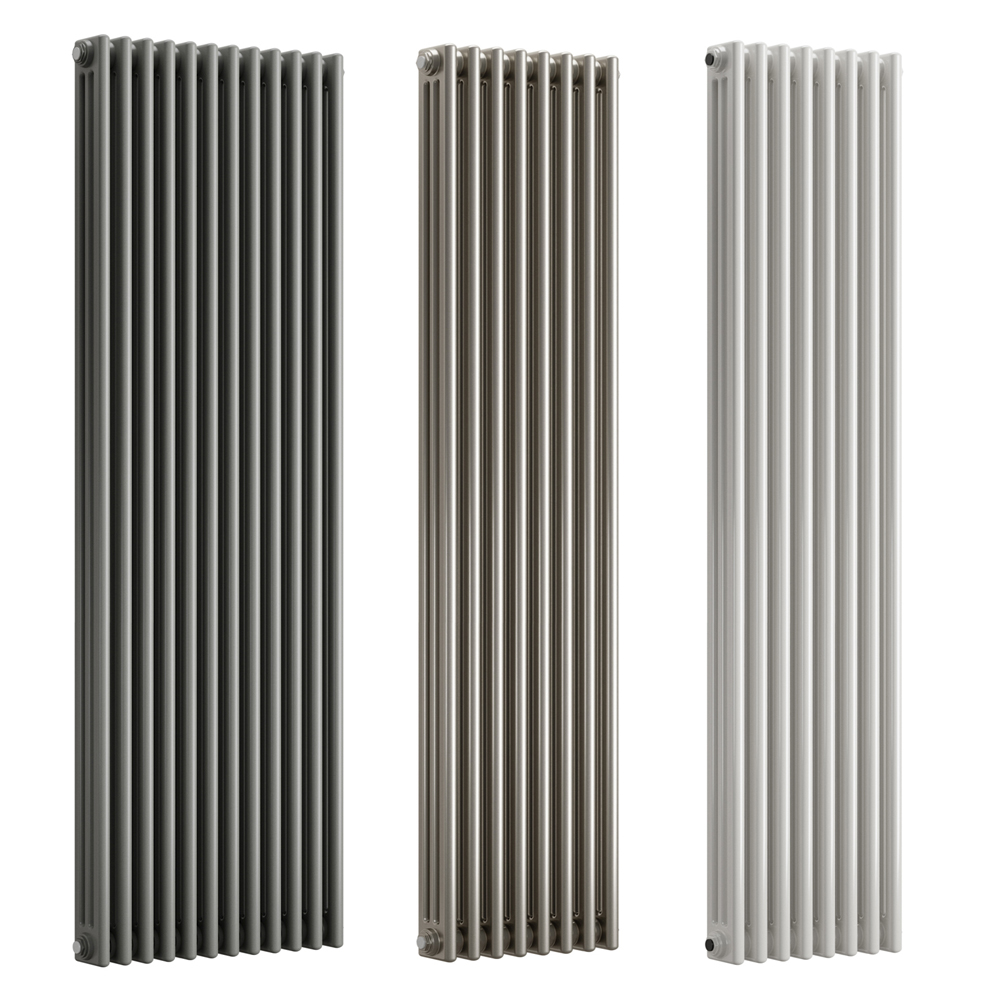
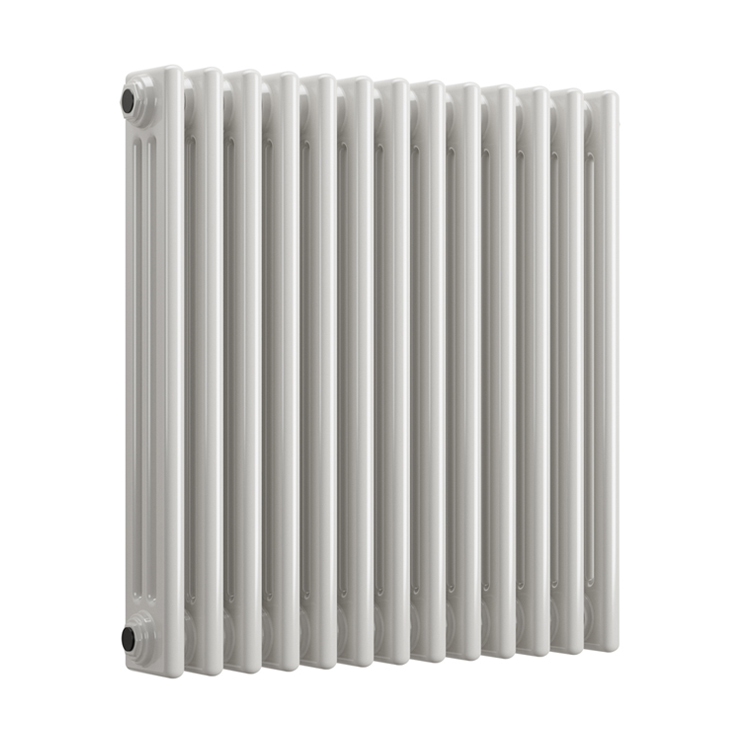
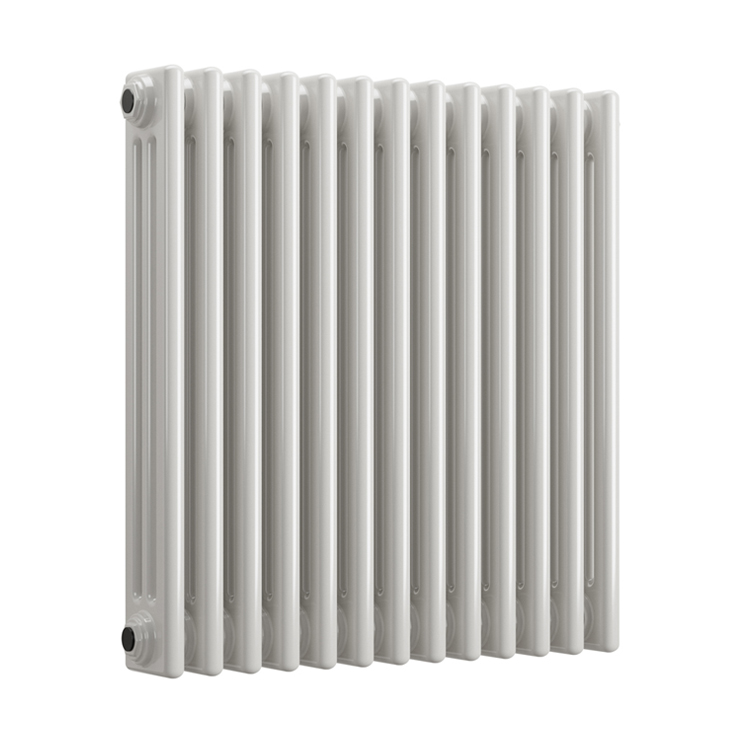
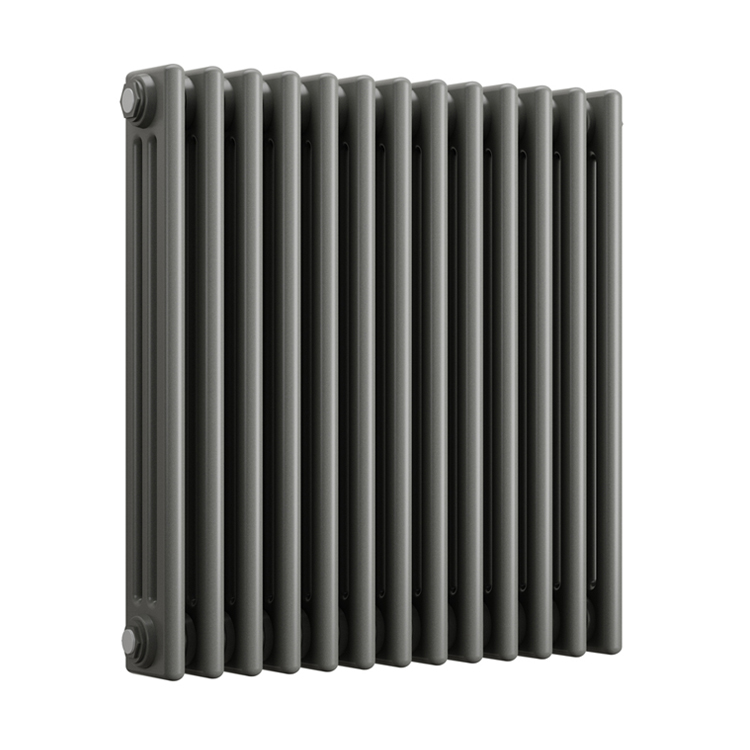
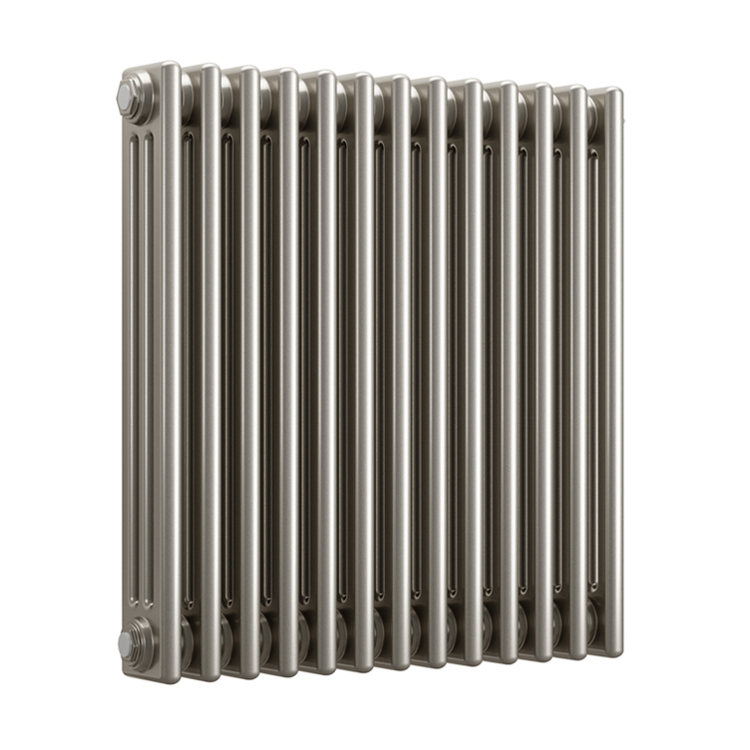
Column radiators are a popular option because they offer a classic look while still delivering strong heat output. Their shape and depth can make them effective in larger rooms and they work especially well in living areas where comfort and character are equally important. A traditional column radiator can look at home beside original features, timber flooring, painted panelling or a more heritage-inspired kitchen. Traditional radiators are not limited to period properties either. They can also add softness and character to a modern kitchen diner that might otherwise feel quite minimal. If you prefer a radiator that will not date quickly, a traditional design is often a safe and stylish choice.
Are vertical radiators suitable for open-plan living areas?
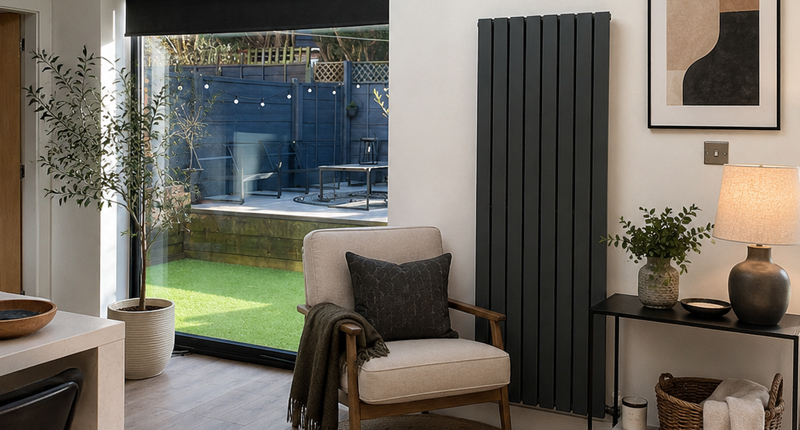
Vertical radiators are very suitable for open-plan living areas, especially where wall space is limited. Open plan rooms often include wide doorways, kitchen units, large windows, patio doors and furniture, which can leave fewer practical places for a standard horizontal radiator. A vertical radiator allows you to use height instead of width, making it easier to fit powerful heating into a tighter area. This can be particularly helpful in kitchen diners, where low wall space may be taken up by cabinets or appliances. A vertical radiator can sit on a slim section of wall between doors, beside a dining zone or near an external wall without taking up too much room. It can also create a strong design feature, especially in a bold finish.
Always check the BTU output and compare it with what your open plan space needs before making a decision.
Can I use radiators with underfloor heating?
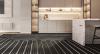
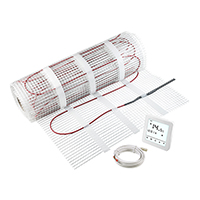
You can use radiators with underfloor heating and in many open-plan spaces, the combination can work very well. Underfloor heating provides gentle, even warmth across the floor, which can be lovely in a kitchen diner or extension. However, it may not always be enough on its own, particularly in rooms with high ceilings, large windows, patio doors or higher heat loss. Radiators can provide an additional boost when the room needs to warm up quickly. They can also be useful in specific areas that feel cooler, such as a seating zone beside external doors. In some homes, underfloor heating may be used as background warmth, while radiators provide the main or supplementary heat source when temperatures drop.
If you are renovating, it is worth thinking about how the two systems will work together. The best setup will depend on your central heating system, flooring, insulation and room layout. For many open-plan spaces, having both options gives greater comfort and flexibility.
Where should radiators go in an open-plan space?
Radiator placement can make a big difference to how comfortable an open-plan room feels. In general, radiators work well near areas of heat loss, such as external walls, large windows and patio doors. This helps counteract cooler air and keeps the room feeling more balanced.
It can also be helpful to position radiators close to the areas where people spend the most time. In a kitchen living room, that might mean placing one radiator near the seating area and another closer to the dining zone. In a long open-plan space, spreading the heat across the room is often better than placing one radiator at a single end. Try to keep radiators clear of large furniture so warm air can circulate properly. A radiator hidden behind a sofa or boxed in behind a cabinet will not heat the room as effectively. You should also think about access to radiator valves, as these allow you to adjust the heat easily and keep the room comfortable throughout the day.
Choosing the best radiators for open plan spaces
The best radiators for open-plan spaces are the ones that suit the size, layout and character of your home. A large kitchen diner may need more than one radiator to heat it evenly. A modern extension may benefit from vertical designer radiators that save wall space and add impact. A period home may feel more balanced with traditional radiators or column radiators that complement its original features. Whatever style you prefer, do not forget to calculate the BTU requirement, consider where heat is most likely to be lost, avoid blocking heat flow with large furniture and think about how each part of the room is used. When you combine the right heat output with the right placement and design, radiators can make an open plan space feel warm, comfortable and easy to live in.
For affordable heating that works beautifully in modern and traditional Irish homes, shop Radiator Outlet Ireland's range of designer radiators, traditional radiators and underfloor heating for open plan spaces.